
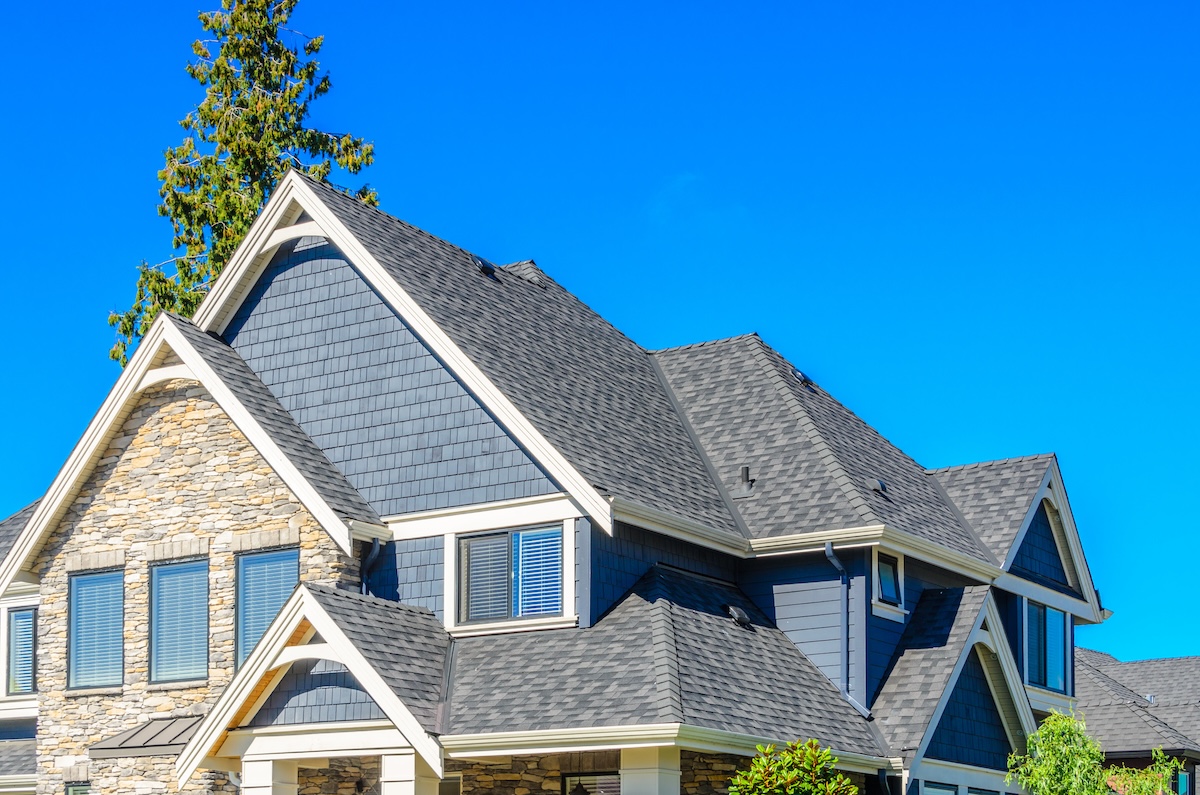
Knowing the lifespan of your roof is crucial for any homeowner. It helps you plan for future expenses, ensures your home stays protected, and gives you peace of mind. The answer to how long does a roof last depends on several key factors, from the materials used to the climate you live in. A well-maintained roof is your home’s first line of defense against the elements.
If you’re wondering about the condition of your roof, it’s always a good idea to consult with professionals. At Roofing Pros USA, our team offers expert roofing services to help you assess, repair, or replace your roof with confidence.
In this guide, we’ll walk you through everything you need to know about your roof’s longevity. We will cover:
- Why your roof’s lifespan is so important
- The 6 key factors that determine how long a roof lasts
- Common signs that indicate it’s time for a roof replacement
🏠 Why Your Roof’s Lifespan Matters

Understanding your roof’s expected lifespan isn’t just about avoiding leaks; it’s about protecting your biggest investment—your home. A sturdy roof is essential for maintaining your property’s structural integrity and value.
A healthy roof does more than just keep you dry. It plays a significant role in your home’s overall health and your financial well-being.
- Protects Your Home: It shields your home from wind, rain, snow, and sun, preventing water damage, mold growth, and structural issues that can be costly to repair.
- Improves Energy Efficiency: A modern, well-insulated roof helps regulate your home’s temperature, reducing the strain on your HVAC system and lowering your energy bills.
- Boosts Curb Appeal: A new roof can dramatically improve your home’s appearance, increasing its market value if you decide to sell.
- Ensures Safety: An old or damaged roof can pose safety risks. Regular inspections and timely replacement ensure your family stays safe.
📝 6 Factors That Affect Your Roof’s Lifespan
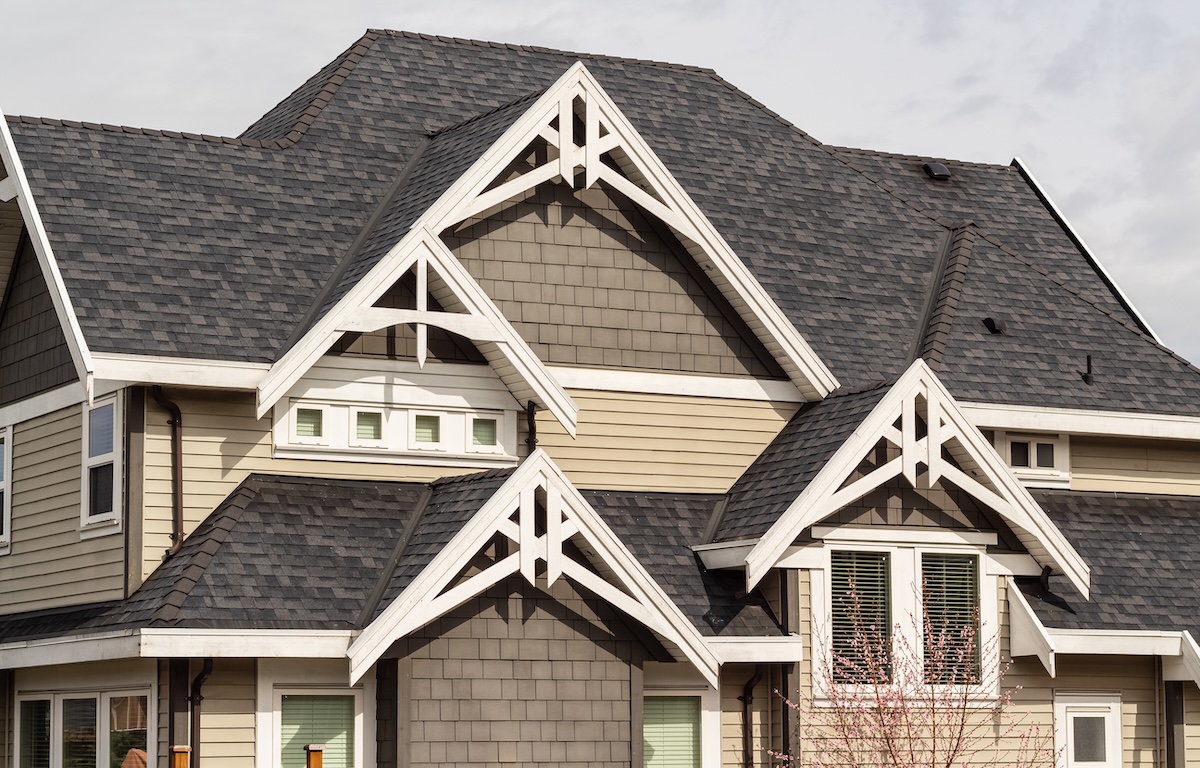
Several variables influence how long your roof will hold up. Understanding these factors can help you make informed decisions about maintenance and replacement.
Here are the six most important elements that determine the lifespan of your roof.
1. Roofing Materials
The type of material used is the single most significant factor in a roof’s longevity. Different materials and different roof types have vastly different expected lifespans.
- Asphalt Shingles: These are the most common roofing material in the U.S. and typically last 20-30 years.
- Metal Roofs: Known for their durability, metal roofs (like steel or aluminum) can last 50 years or more.
- Wood Shingles/Shakes: These can last 25-40 years but require regular maintenance to prevent rot and insect damage.
- Tile/Slate Roofs: These are premium options that can last an incredible 75-150 years, making them a lifetime investment.
2. Quality of Installation
A roof is only as good as its installation. Even the highest-quality materials will fail prematurely if they aren’t installed correctly.
- Professional Workmanship: Always hire a licensed and experienced contractor to ensure the job is done right. Proper installation includes correct nailing, flashing, and sealing.
- Manufacturer Guidelines: A professional roofer will follow the manufacturer’s specific instructions for the materials being used, which is often required to validate the warranty.
3. Climate and Weather Conditions
Your local climate plays a huge role in how quickly your roof deteriorates. Extreme weather can take a serious toll over time.
- Sun Exposure: In sunny climates like Florida, intense UV rays can cause asphalt shingles to break down and become brittle more quickly.
- Wind and Rain: Areas prone to hurricanes or heavy rainfall experience more wear and tear. High winds can lift shingles, and constant moisture can lead to leaks.
- Snow and Ice: In colder regions, the freeze-thaw cycle can cause ice dams to form, which can force water under your shingles and lead to significant damage.
4. Ventilation and Insulation
Proper attic ventilation is critical for extending your roof’s life. It helps regulate temperature and moisture levels in your attic space.
- Prevents Heat Buildup: Good ventilation allows hot air to escape the attic during the summer, preventing the shingles from “cooking” from the inside out.
- Reduces Moisture: It also helps prevent moisture accumulation in the winter, which can lead to mold, mildew, and rot in the roof deck.
5. Regular Maintenance
Just like your car, your roof requires regular check-ups to perform at its best. Proactive maintenance can add years to its life.
- Routine Inspections: Have your roof inspected by a professional at least once a year and after any major storm. This helps catch small problems before they become big ones.
- Cleaning Gutters: Clogged gutters can cause water to back up and seep under the roof, leading to water damage. Keep them clean and free of debris.
6. Roof Slope
The pitch, or slope, of your roof also affects its lifespan. Steeper roofs tend to last longer than those that are flat or low-sloped.
- Water Drainage: A steeper pitch allows water and snow to shed more effectively, reducing the risk of pooling water and leaks.
- Material Suitability: Low-slope or flat roofs require specialized materials designed to handle standing water, as standard shingles are not suitable for these designs.
⚠️ Signs It’s Time for a Roof Replacement
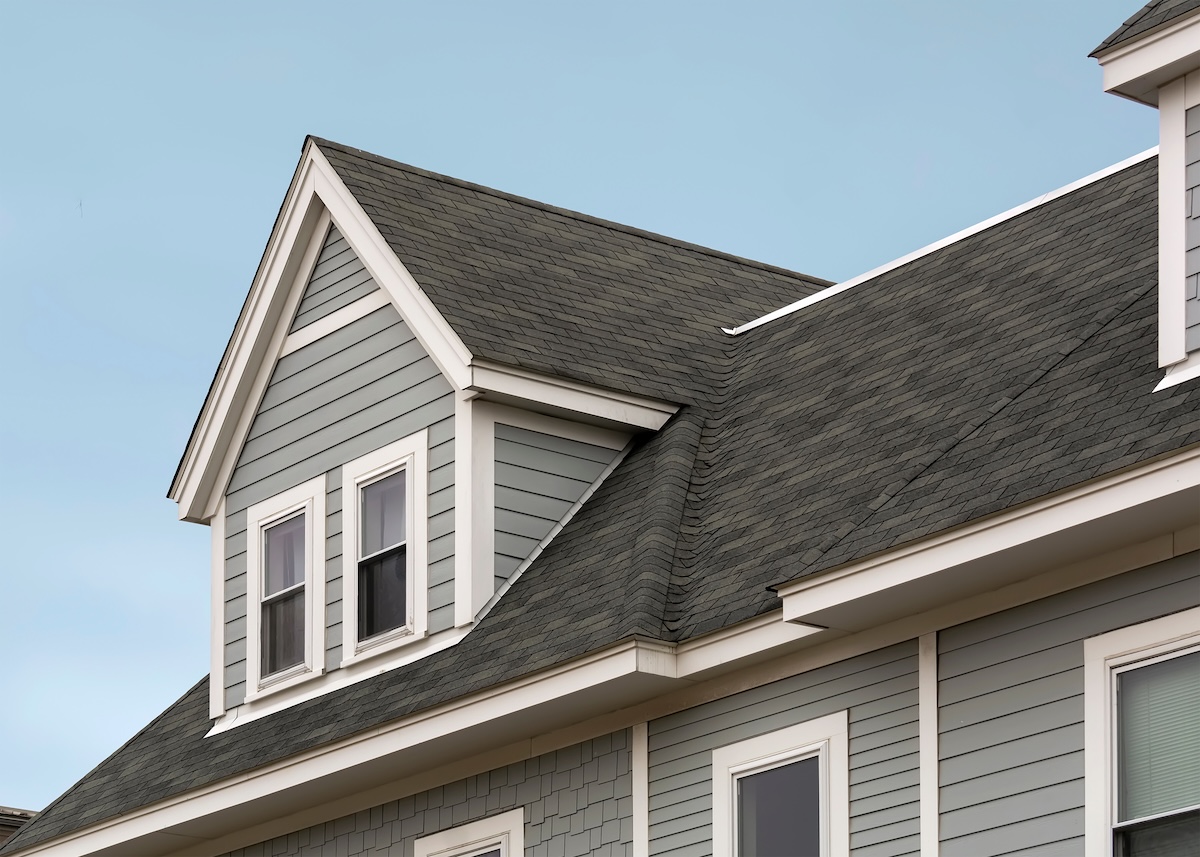
Knowing when to replace your roof can save you from costly emergency repairs down the line. Keep an eye out for these common warning signs.
If you notice any of these issues, it’s a good idea to schedule a professional inspection.
- Age of the Roof:
If your asphalt shingle roof is nearing or over 20 years old, it’s likely reaching the end of its lifespan. While it may still appear fine from the ground, the materials may have degraded over time. Aging roofs are less effective at protecting your home from the elements, and postponing replacement can lead to more significant and costly issues down the line. Regular inspections are essential to assess whether it’s time for a new roof.
- Curling or Clawing Shingles:
When shingles begin to curl at the edges or buckle in the middle, it’s a clear indication that they are deteriorating. This usually happens due to prolonged exposure to weather and aging materials. Curling or clawing shingles can no longer provide a proper seal against wind, rain, or snow, leaving your home vulnerable to leaks and other forms of damage. Replacing these shingles promptly is crucial for maintaining your roof’s integrity.
- Missing or Damaged Shingles:
Bare patches on your roof, where shingles have been blown away by the wind, are a significant warning sign. Similarly, cracked or broken shingles indicate that your roof’s protective barrier is compromised. These gaps allow water to seep underneath, potentially causing rot, mold, and extensive interior damage. A proactive approach to replacing missing or damaged shingles can save you from costly repairs.
- Granules in Gutters:
Asphalt shingles are coated with protective granules that help shield them from harmful UV rays and provide durability. Over time, these granules wear off and may collect in your gutters. If you notice a significant amount of granules while cleaning your gutters, it’s a sign that your shingles are deteriorating. Without these granules, shingles lose their ability to effectively protect your home from the sun and harsh weather conditions.
- Water Stains or Leaks:
Water stains on your ceiling or walls inside your home are a serious red flag. They often indicate that water has penetrated through your roof and is entering your home. This could be due to damaged shingles, flashing issues, or other vulnerabilities in your roof. Ignoring these signs can lead to significant structural damage, mold growth, and costly repairs. Addressing leaks promptly is critical to preventing further harm.
- Sagging Roof Deck:
A sagging roof deck is a major cause for concern and often points to severe structural problems. This issue is typically caused by trapped moisture, which leads to a weakened and rotting roof deck. A sagging roof not only looks unsightly but is also a safety hazard, as it compromises the stability of your home. Immediate inspection and repair by a professional are essential to avoid further damage or possible collapse.
👉 Your Next Steps for a Healthy Roof
Your roof is a complex system, and its lifespan depends on a careful balance of quality materials, expert installation, and consistent maintenance. By understanding these factors, you can take proactive steps to protect your roof and extend its life for as long as possible.
Don’t wait for a small leak to turn into a major problem. If you have concerns about your roof’s age or condition, the best thing to do is get a professional opinion.
Ready to ensure your home is protected? Contact Roofing Pros USA today for a free inspection and expert advice you can trust.
