
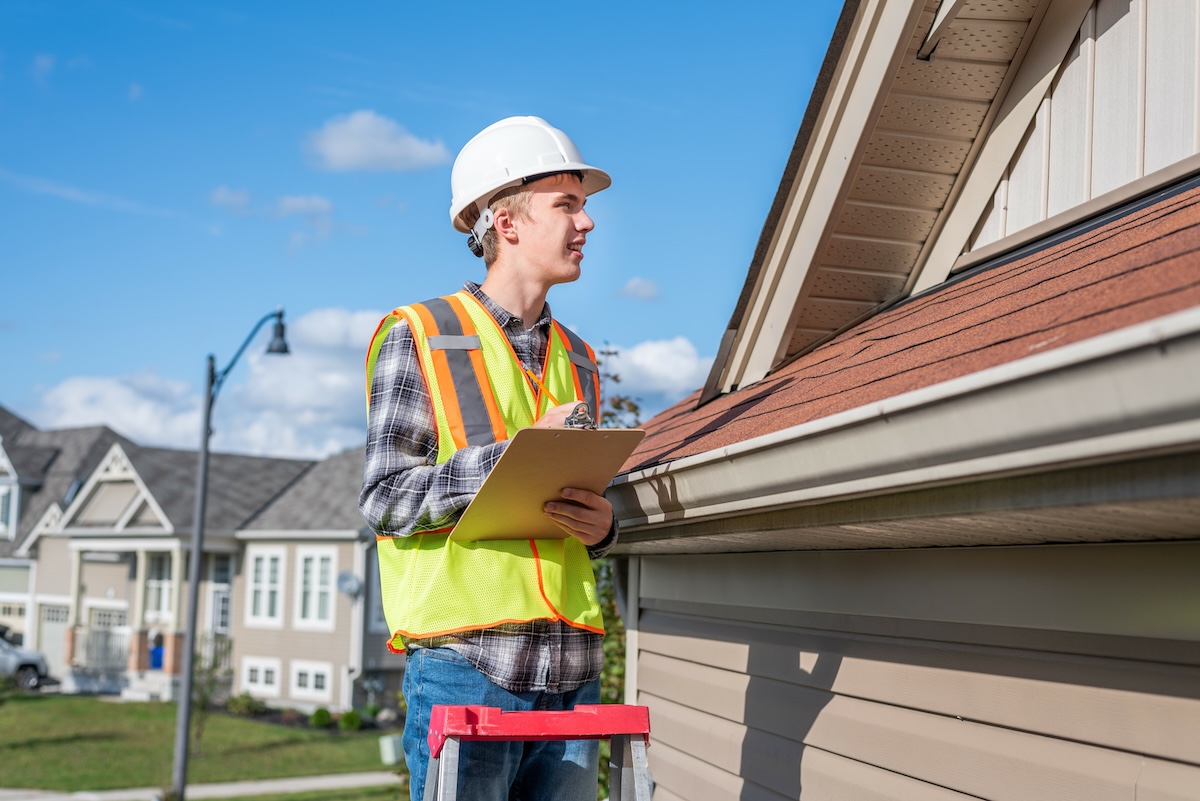
Maintaining your roof is essential to protect your home from weather damage and prolong its lifespan. A thorough roof inspection checklist helps homeowners identify potential issues early, saving time and costly repairs down the road. For those looking to ensure their home’s roof is in top shape, following a detailed checklist is invaluable. If you’re interested in professional assistance or roof maintenance, consider exploring our residential roofing services.
- Understand why regular roof inspections are critical for home safety
- Learn the key components to review during a roof inspection
- Discover 8 best practices to keep your roof well-maintained
- Know when to call a professional for a detailed roof assessment
Why a Roof Inspection Checklist Matters
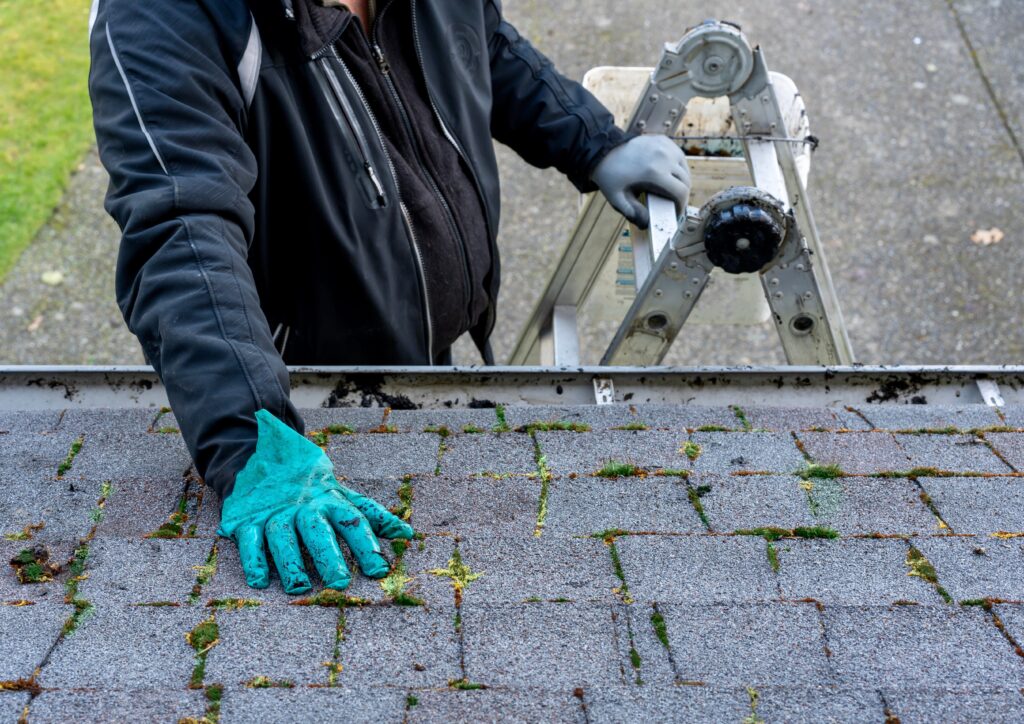
Keeping a detailed roof inspection checklist ensures that no critical area is overlooked during maintenance. Roofing problems often develop slowly over time, and spotting small issues early can prevent larger, costly repairs. Whether you’re tackling this yourself or working with a professional, a checklist establishes a systematic way to evaluate your roof’s condition. For residents needing professional inspections or follow-up repairs, Roofing Pros provides trusted roofing services in Orlando, FL, helping homeowners catch small issues before they turn into costly repairs.
- Preventative Care: Routine checks help avoid water damage, leaks, and structural problems.
- Safety Assurance: Identifying loose shingles or damaged flashing reduces safety hazards.
- Extend Roof Life: Early detection of wear and tear helps prolong your roof’s usability.
- Cost Savings: Avoid emergency repairs by managing minor issues upfront.
- Insurance Compliance: Detailed inspections help meet requirements for home insurance claims.
8 Best Practices for a Comprehensive Roof Inspection Checklist
A thorough approach to roof inspection involves evaluating multiple components methodically. Here are eight crucial best practices you should include in your inspection routine:
1. Inspect Shingles for Damage or Wear
Shingles are the frontline defense against weather elements. Look for cracks, curling, missing shingles, or granule loss which can indicate aging or damage. If you notice loose or absent shingles during your inspection, this guide on missing shingles explains why the issue should be addressed quickly to prevent leaks and more extensive roof damage.
- Visual Signs: Broken or loose shingles could lead to leaks
- Granule Loss: Excessive granules in gutters indicate shingle degradation
2. Check Flashing Around Chimneys and Vents
Flashing seals joints and prevents water infiltration around chimneys, vents, and skylights. Inspect flashing for rust, gaps, or lifting edges.
- Rust Development: Can weaken flashing, leading to leaks
- Lifting Edges: Water can enter improperly sealed areas
3. Assess Gutters and Downspouts
Gutters channel water away from your roof and foundation. Make sure they are clear of debris and securely attached.
- Debris Removal: Leaves and dirt clog gutters, causing water backup
- Secure Attachment: Loose gutters risk damage during storms
4. Examine Attic for Moisture and Ventilation
A dry and well-ventilated attic is critical to the health of your roof. Moisture in the attic can indicate leaks or ventilation problems. Homeowners looking to improve energy efficiency while reducing moisture issues may benefit from learning more about DIY attic insulation, which can complement proper roof inspections and ventilation checks.
- Signs of Moisture: Water stains, mold, or wet insulation
- Proper Ventilation: Prevents heat buildup which can damage roofing materials
5. Look for Signs of Mold, Moss, or Algae
Biological growth can deteriorate roofing material and compromise your roof’s integrity. Monitor these growths, particularly in shaded or damp areas.
- Visible Growth: Could indicate moisture retention
- Impact: Causes shingles to weaken over time
6. Check for Damage After Severe Weather
Storms can cause unseen damage such as loose shingles or punctures. It’s advisable to inspect the roof promptly after heavy winds, hail, or rain.
- Impact Marks: Look for dents or cracks left by hail
- Dislodged Shingles: High winds can loosen roof materials
7. Evaluate Roof Valleys
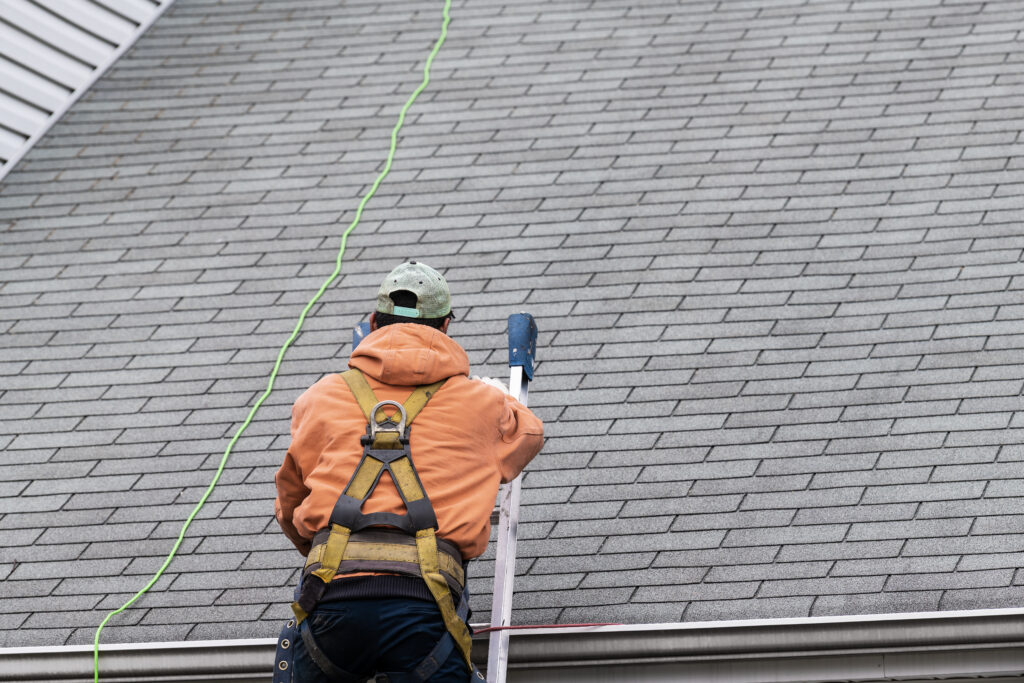
Roof valleys channel water off the roof and are prone to debris buildup and water pooling. Clear and inspect these areas regularly.
- Debris Accumulation: Can obstruct water flow, causing leaks
- Wear Patterns: Look for cracked or missing shingles specifically in valleys
8. Maintain Proper Trim Around Trees
Overhanging tree branches can scratch or drop debris on your roof, accelerating wear. Trim branches to maintain clearance and reduce potential damage.
- Prevent Scratches: Branches rubbing can damage roofing material
- Debris Reduction: Less leaf buildup reduces clogging gutters
Additional Considerations for Roof Inspection
Beyond the physical inspection points, there are several factors homeowner should keep in mind for a holistic approach to roof care. These include seasonal timing, safety considerations, and record-keeping.
Seasonal Timing
Perform roof inspections during mild weather to ensure safety and get accurate readings of the roof condition. Avoid inspections when rain, snow, or ice is present as it increases risk.
Safety Precautions
Always prioritize safety by using proper ladders and having assistance on hand. If uncomfortable, hiring professionals to perform inspections is wise.
Documentation
Keep a detailed log of inspection dates, noted issues, and repair actions. This history is helpful for maintenance planning and insurance purposes.
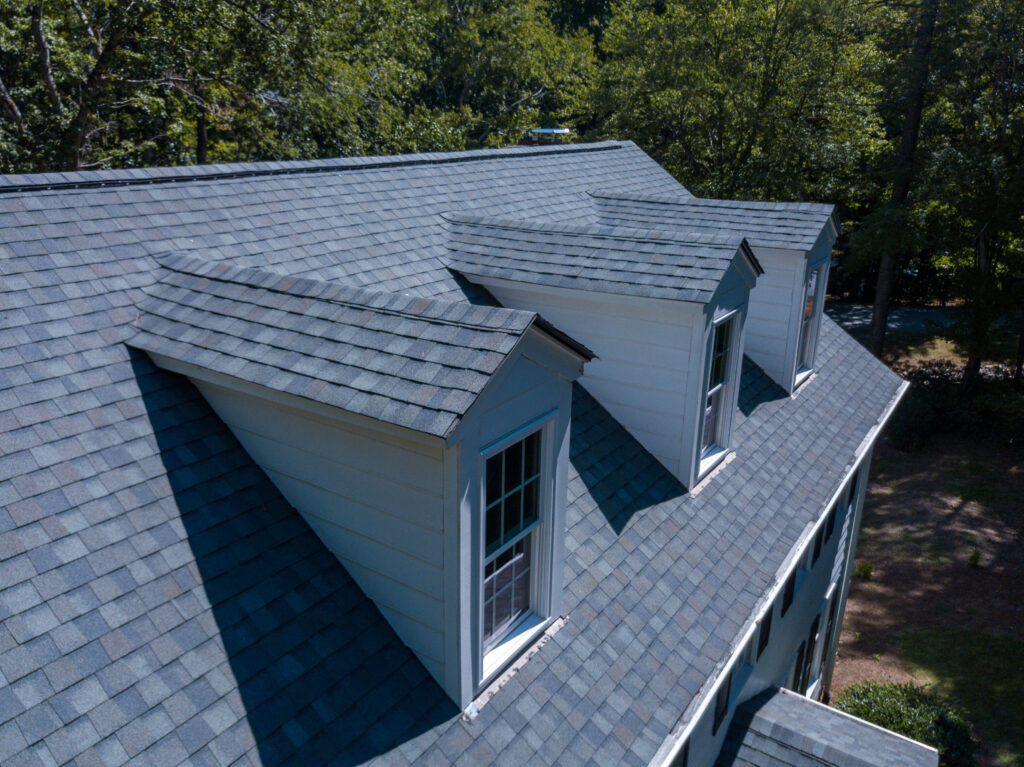
Frequently Asked Questions About Roof Inspection Checklists
Roof inspections can feel overwhelming, so here are some common questions answered to provide clarity.
| How often should a roof inspection be done? | For most roofs, inspections should occur twice a year — ideally in spring and fall — and after any major weather event. |
| What tools are needed for a roof inspection checklist? | A sturdy ladder, binoculars, a flashlight to inspect attic space, gloves, and possibly a camera to document issues. |
| Can I perform my own roof inspection? | Yes, smaller inspections can be done safely from the ground or attic, but professional inspections are recommended for comprehensive assessments. |
| What are the most common roofing problems uncovered? | Shingle damage, poor flashing condition, clogged gutters, moss growth, and attic ventilation issues are frequently identified. |
| When should I call a professional roofer? | If you detect major damage, leaks, or feel unsafe performing the inspection yourself, contacting experts is the safest choice. Roofing Pros offers comprehensive roof inspections and repairs for homeowners in Miami, FL, ensuring expert assessments, accurate recommendations, and long-term protection for your home. |
Proactive Roof Care to Protect Your Investment
Regular roof inspections using a detailed checklist are vital to maintaining your home’s value and safety. A stitch in time saves nine — early detection of minor issues can prevent costly repairs and extend your roof’s lifespan. By keeping an eye on your roof consistently, you can ensure it withstands the elements for years to come. Homeowners seeking reliable, local expertise can count on Roofing Pros for professional roofing solutions in St. Petersburg, FL, where timely inspections and maintenance help extend roof lifespan and prevent unexpected damage.
For expert help with your roof inspection needs or to schedule maintenance services, Roofing Pros is ready to assist. To get started, contact us today and let Roofing Pros protect your home and investment.
