

Noticing a ceiling leak in your home can be alarming, especially when you suspect it could signal a larger issue with your roof. Early identification of a ceiling leak that points toward roof problems is crucial to prevent extensive damage and costly repairs. Recognizing the signs promptly can help you take action before minor concerns escalate.
- How to identify if your ceiling leak originates from your roof
- Common signs that link ceiling leaks to roofing issues
- Urgent steps to take when you detect these warning signals
- Preventive measures to safeguard your roof and ceiling
Understanding Why Ceiling Leaks Often Point to Roof Problems
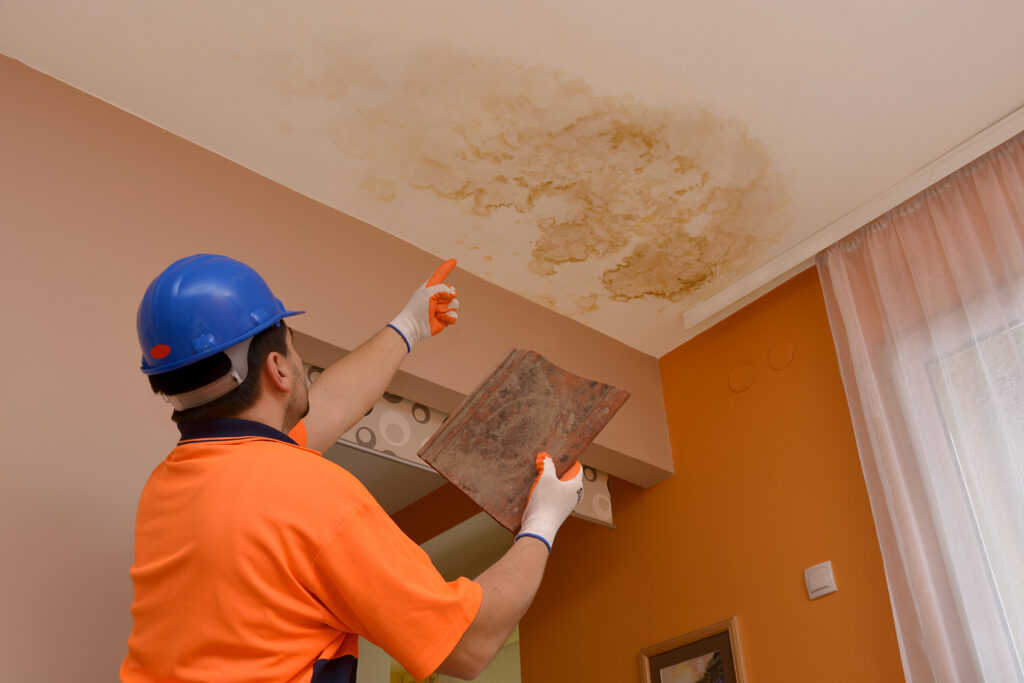
Ceiling leaks rarely appear out of nowhere and are often a symptom of an underlying roofing issue. Moisture travels through roof materials before it becomes visible inside your home. Knowing why ceiling leaks are concerning is important because they often indicate that your roof isn’t adequately protecting your home from external elements.
- Water Intrusion: Damaged or aging roofs can allow water to penetrate and seep into the ceiling area.
- Structural Risk: Prolonged leaks can weaken wood beams and drywall, compromising your home’s structural integrity.
- Mold Growth: Moist environments caused by leaks lead to unhealthy mold, affecting indoor air quality.
- Energy Loss: Roof damage can allow drafts and reduce insulation effectiveness, increasing energy bills.
- Property Damage: Furniture and personal property below the leak are at risk for stains and deterioration.
7 Key Indicators That Your Ceiling Leak Is Related to Your Roof
Spotting a ceiling leak is your first clue, but understanding the signs that it’s roof-related can guide you toward the right repair approach. Here are seven critical signals to watch for.
1. Water Stains on the Ceiling
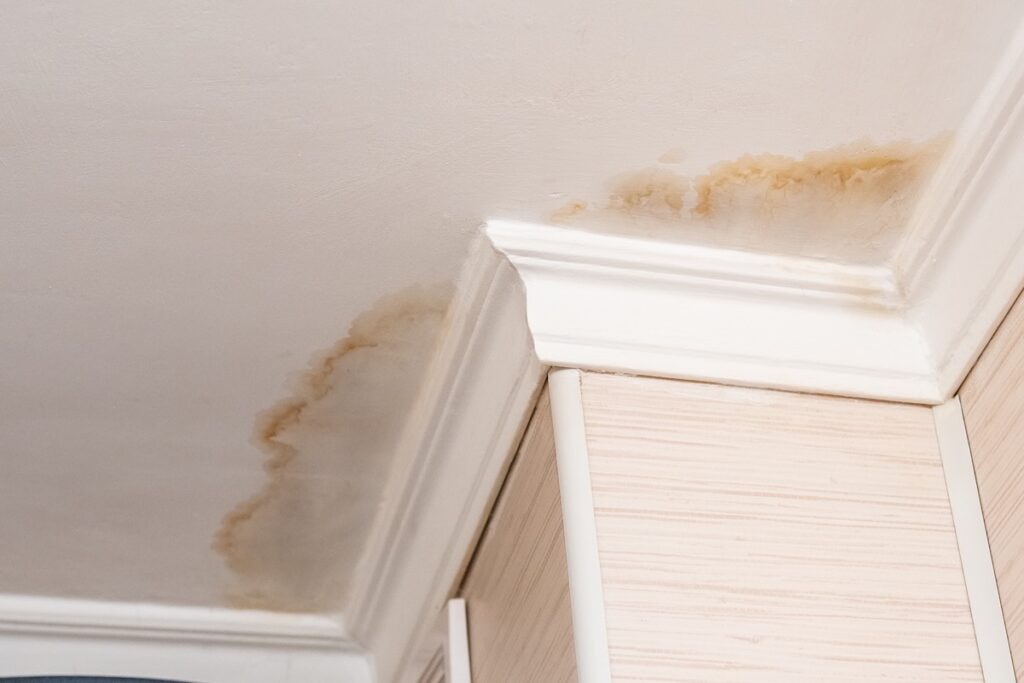
One of the earliest and most visible signs is discoloration or water stains that appear as yellowish or brownish patches. These stains often grow during rainy weather, hinting at a breach somewhere on the roof.
- Noticeable Pattern: Irregular or spreading stains suggest ongoing water movement from outside.
- Texture Changes: Bubbling, peeling, or sagging paint indicates trapped moisture beneath the surface.
2. Dripping Water or Active Leaks
When you actually see water dripping from your ceiling, the situation is urgent. Active leaks mean that water is currently entering your home, usually through compromised roof areas like damaged shingles or flashing. Our guide on roof repair cost breaks down what typically affects pricing and why early repairs are often far more affordable than waiting.
- Leak Location: Note if leaks appear near roof penetrations such as skylights, chimneys, or vents.
- Water Volume: Even small trickles can worsen quickly without timely intervention.
3. Mold or Mildew Growth on Ceiling or Walls
Mold often develops in areas where leakage causes prolonged dampness. The presence of mold near ceiling leaks points to persistent moisture problems, usually stemming from roof damage.
- Visual Signs: Black, green, or gray spotting is a typical indicator of fungal growth.
- Health Impacts: Musty odors and respiratory issues might affect household members.
4. Roof Age and Condition
The likelihood of a roof-related ceiling leak increases with the roof’s age and visible deterioration. Older roofs with worn or missing shingles, cracks, or sagging spots should be closely inspected. If you suspect this issue, our article on missing shingles explains how they contribute to leaks and when immediate repairs are necessary.
- Shingle Damage: Curling, cracking, or missing shingles expose underlayment and decking.
- Flashing Wear: Corroded or loose flashing around rooftop features lets water seep inside.
5. Interior Ceiling Sagging or Bubbling
Visible warping or sagging of the ceiling surface is a sign that water is accumulating above it. This can cause structural issues that require immediate attention to prevent collapse.
- Softening of Ceiling: Pressing on sagging areas may reveal spongy texture, indicating water retention.
- Rapid Progression: Sagging that worsens quickly is typically linked to active roof leaks.
6. Water Stains After Difficult Weather Events
If you notice ceiling discoloration or leaks following heavy rainfall, snowstorms, or hail, the roof is likely compromised and allowing water entry during these events.
7. Higher Utility Bills and Humidity Levels
Roof leaks can lead to increased moisture and drafts, resulting in higher heating or cooling expenses and elevated indoor humidity, which can feel uncomfortable.
What to Do When You Identify a Ceiling Leak Related to Your Roof
Recognizing the signs of a roof-related ceiling leak is just the beginning. Acting promptly can limit damage and safeguard your home’s value. Here’s the right approach once you identify these symptoms.
Schedule a Professional Roof Inspection
A qualified roofing expert can accurately diagnose the source and severity of your ceiling leak. Thorough inspections include checking roof coverings, flashing, gutters, and attic spaces for hidden damage. If you’re dealing with a ceiling leak in the Orlando area, working with a trusted local roofing contractor in Orlando, FL ensures faster response times and repairs tailored to the region’s weather conditions.
- Expert Assessment: Professionals detect issues invisible to the untrained eye.
- Detailed Reporting: Inspection results guide effective repair plans.
Temporary Leak Mitigation Strategies
While waiting for repairs, some immediate measures can help reduce water intrusion and protect your interior.
- Catch Drips: Use buckets or towels beneath the leak to avoid further damage.
- Protect Valuables: Move furniture or electronics away from the affected area.
- Limit Moisture Spread: Ventilate the room and use a dehumidifier if possible.
Implement Roof Repairs or Replacement
Once the problem areas are pinpointed, timely repair or complete roof replacement ensures that leaks do not recur. Quality roofing materials and skilled installation provide long-term protection. Homeowners in South Florida experiencing recurring ceiling leaks can rely on professional roofing services in Miami, FL to address roof damage at the source and restore long-term protection.
Address Interior Damages
Fixing the roof won’t fully restore your home if the ceiling and insulation have been compromised. Address these damages by drying out affected materials and replacing damaged drywall or insulation.
Additional Tips for Maintaining a Leak-Free Ceiling and Roof
Prevention is always better than cure. Regular maintenance and awareness can extend your roof’s life and keep your ceiling leak-free.
- Routine Inspections: Schedule biannual roof checks, especially after harsh weather.
- Gutter Cleaning: Keep gutters and downspouts free from debris to prevent water backup.
- Trim Tree Branches: Maintain tree limbs away from the roof to reduce damage risk.
- Proper Attic Ventilation: Ensure good airflow to avoid moisture buildup under the roof.
- Immediate Repairs: Attend to minor roof issues before they develop into leaks.
Frequently Asked Questions About Ceiling Leaks and Roof Issues
These are the most common questions we get when it comes to identifying and fixing ceiling leaks and roof issues.
Can a ceiling leak be caused by plumbing instead of the roof?
Yes, plumbing leaks are another common cause of ceiling water stains, particularly near bathrooms or kitchens. However, roof-related leaks usually worsen during rain, while plumbing leaks remain consistent regardless of weather.
How quickly should I act if I find a ceiling leak?
Immediate action is recommended to prevent structural damage, mold growth, and increased repair costs. Contacting a professional roofing service as soon as you notice a leak is advisable.
Will roof repairs fix all ceiling leaks?
If the source is a roof defect, repairs or replacement will resolve ceiling leaks. However, it is necessary to address any interior water damage separately.
What types of roofing materials are most prone to leaks?
All roofing types can develop leaks with age and neglect, but flat roofs, older asphalt shingles, and poorly installed roofing systems are more susceptible.
How can I tell if the ceiling leak is worse than it appears?
Signs such as expanding stains, sagging ceilings, musty odors, and mold indicate the leak may be more severe than initially visible. A professional inspection is crucial for an accurate assessment.

Act Before Ceiling & Roof Leaks Cause Extensive Roof Damage
Identifying the signs that a ceiling leak is related to your roof is critical for maintaining your home’s safety and comfort. Ignoring these warning signals can lead to costly repairs and health concerns. If you’re noticing ongoing ceiling leaks and need expert help in Central Florida, our roofing specialists in Kissimmee, FL are ready to inspect your roof and stop further damage before it escalates.
For expert guidance and reliable roof repair solutions, Roofing Pros is ready to help. Please contact us today to schedule an inspection or repair service and protect your home from further damage.
