
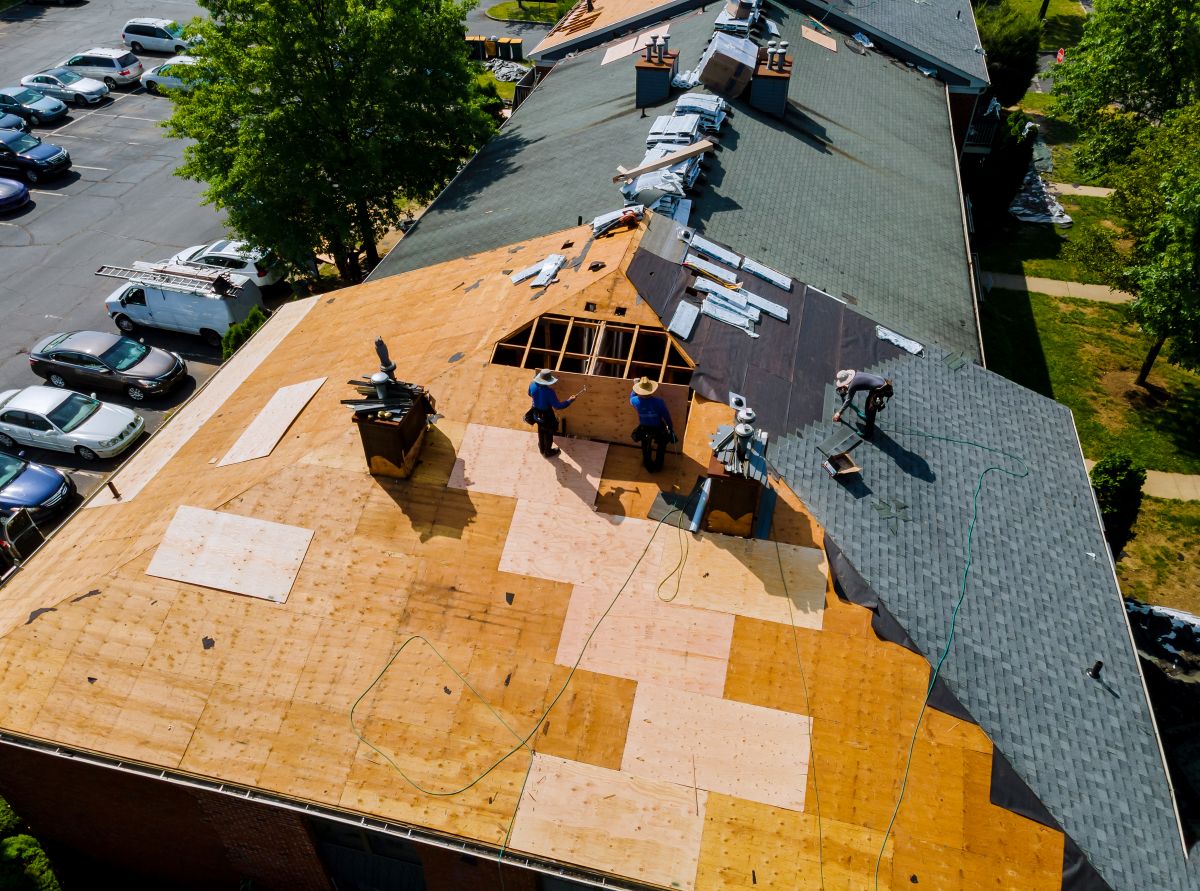
When a storm hits or a tree limb crashes onto your home, every second counts. Understanding the basics of emergency roof repair can make the difference between a manageable fix and a costly disaster. Florida’s unpredictable weather—especially in places like Winter Garden—makes it essential for homeowners to know what steps to take immediately. Issues like torn shingles or exposed roof decking can escalate quickly, and waiting too long to act may cause structural damage, mold, or even a full roof replacement.
- When emergency roof repair is needed (and what counts as an emergency)
- How to assess damage safely after a storm
- What temporary fixes you can do yourself
- When to call a professional for full repair or replacement
- What to expect from the emergency roofing process
Why Emergency Roof Repair Matters
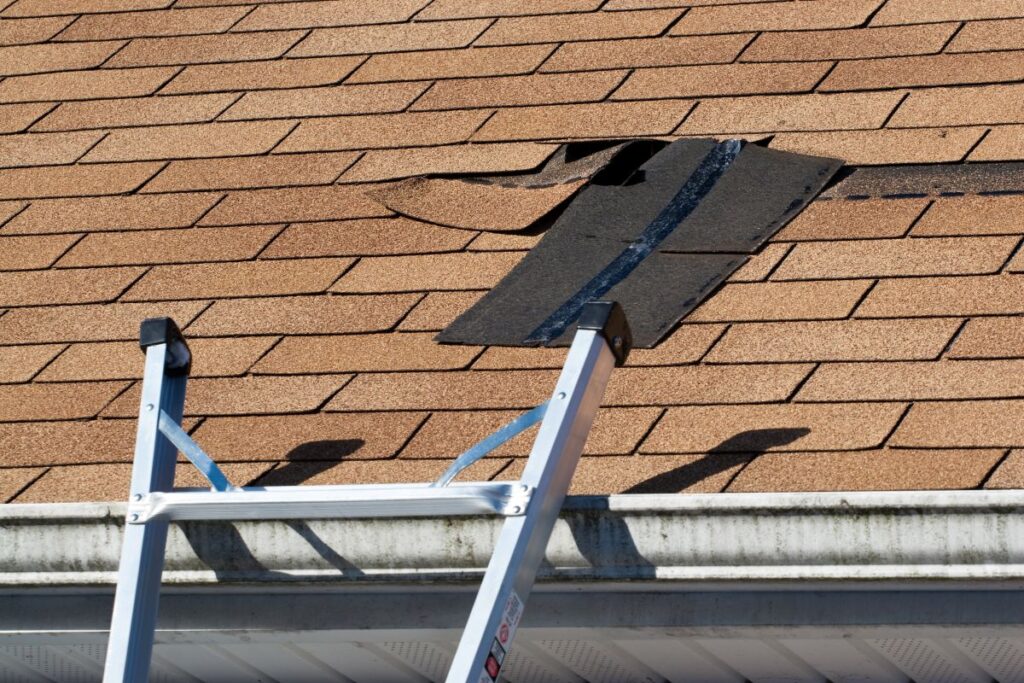
Some roofing problems can wait until the weekend—but others require fast action to prevent serious damage. Emergency roof repair protects your home’s structure and your family’s safety in the aftermath of severe weather, fallen trees, or unexpected leaks.
- Stops Water Damage Early: Leaks can saturate insulation, weaken wood framing, and cause mold growth in as little as 24 hours.
- Prevents Further Structural Problems: Left unchecked, minor issues like a missing shingle can lead to rot, sagging rafters, or ceiling collapse.
- Protects Your Possessions: Roof failures can expose furniture, appliances, and electronics to water damage.
- Helps Preserve Insurance Coverage: Insurers often expect homeowners to take reasonable steps to mitigate further damage before submitting a claim.
- Buys Time for Permanent Repair: A quick emergency patch allows you to plan and budget for full repairs or replacement, rather than rushing into costly work unprepared.
If you’re in Winter Garden and surrounding areas, having a clear emergency plan in place can save you thousands in repair costs.
7 Steps to Take for Emergency Roof Repair
Roof damage can be stressful—but taking calm, methodical action makes a big difference. Here’s what to do as soon as you suspect roof trouble.
1. Stay Safe and Assess from the Ground
Your safety is the top priority. Before climbing a ladder or going on the roof, inspect from the ground using binoculars or a smartphone camera.
- Look for missing shingles, visible holes, or debris
- Check for water stains on ceilings or upper walls inside the home
- Listen for dripping water in the attic
If the roof is steep, wet, or unstable, do not attempt to walk on it. Leave that to professionals.
2. Protect Interior Spaces
If water is actively leaking into your home:
- Move furniture and electronics away from affected areas
- Use buckets, plastic sheeting, or towels to catch drips
- Place a tarp or trash bag over valuable items
This helps prevent secondary damage and makes cleanup easier once the repair begins.
3. Cover the Damage (If Safe to Do So)
If weather conditions permit and you can safely reach the damaged area, install a temporary covering:
- Use a thick, waterproof tarp at least 4 feet larger than the hole or leak
- Secure the tarp with 2×4 boards or sandbags—never nails, which can cause further damage
- Be sure the tarp extends over the roof peak if possible to shed water properly
This step can help prevent more water from entering while you wait for professional help.
4. Document the Damage
Before making any temporary fixes, take photos and videos of the damage.
- Capture wide shots and close-ups
- Include timestamps if possible
- Document both interior and exterior issues
These visuals are crucial for documentation and contractor quotes.
5. Contact a Roofing Contractor Immediately
Emergency roof damage is not something to put off.
- Call a licensed, local contractor with emergency repair services
- Ask if they provide same-day tarping or temporary sealing
- Request a full inspection to determine if repair or replacement is needed
Roofing Pros USA provides prompt emergency support throughout Winter Garden and surrounding areas to help homeowners stabilize damage and start the recovery process.
6. Plan for Permanent Repairs
Once the immediate crisis is under control, work with your roofer to finalize repairs.
- Review quotes and repair timelines
- Explore material options if a replacement is needed
- Ask about warranties and future maintenance plans
Don’t delay this step—temporary solutions are only meant to last a few days or weeks.
What Counts as a Roofing Emergency?
Not every leak is an emergency. However, the following situations typically require immediate action:
Storm Damage
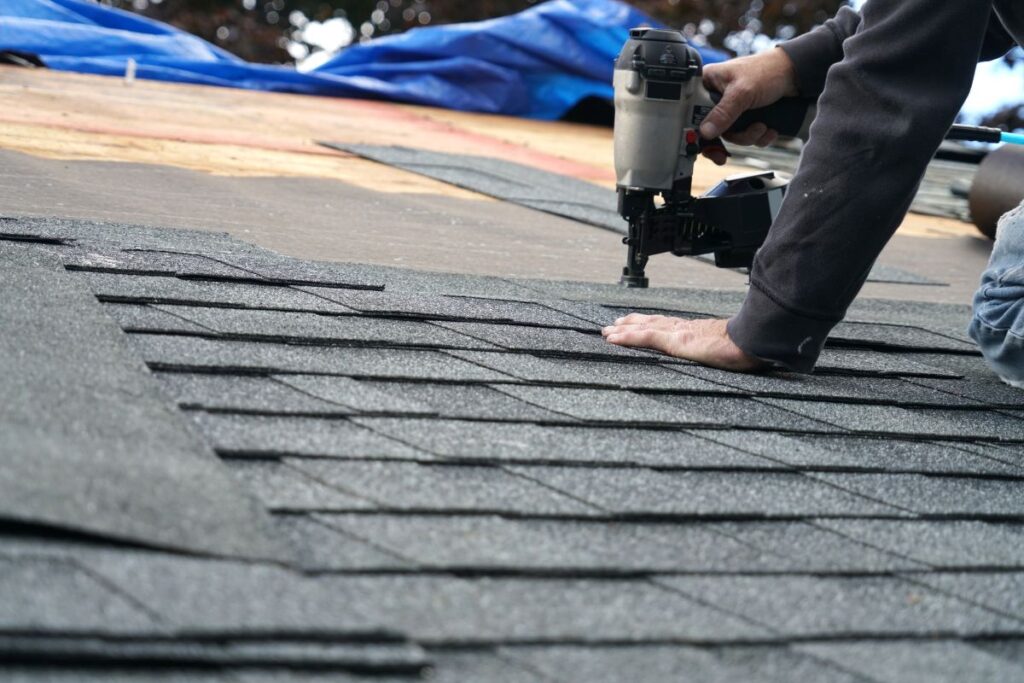
- Shingles or flashing ripped off by wind or hail
- Tree limbs puncturing the roof deck
- Debris damaging skylights or vents
Active Interior Leaks
- Water entering the attic or dripping onto ceilings
- Soft spots forming in drywall or ceiling tiles
- Wet insulation or visible mold
Collapsed or Sagging Roof Sections
- Roof visibly sagging under weight
- Partial collapse from rot or long-term water intrusion
- Structural instability after severe storms
Fire or Pest Damage
- Burned or melted roofing material after lightning strikes
- Holes caused by rodents or insects
If you’re unsure whether your situation is an emergency, err on the side of caution and call a professional for an inspection.
Emergency Repair vs Full Roof Replacement
Depending on the situation, your roof may need a quick fix or a complete overhaul. Here’s how they compare:
| Category | Emergency Repair | Full Replacement |
| Timeline | Same-day or within 24–48 hours | Typically 1–2 weeks |
| Scope | Covers exposed areas only | Removes and replaces full system |
| Cost (Initial) | Lower | Higher upfront investment |
| Durability | Temporary (1–2 weeks max) | 20–30+ years with proper materials |
Your roofing contractor will guide you based on the condition of your materials, how much damage occurred, and what your insurance allows.
How to Prepare for Future Roofing Emergencies
Florida’s climate makes it smart to prepare for emergencies before they happen. Here’s how to stay ready:
Schedule Annual Roof Inspections
- Preventative checks catch small problems early
- Inspect before and after hurricane season
Keep Gutters Clean
- Clogged gutters allow water to pool and back up onto shingles
- Increases the risk of rot and emergency leaks
Trim Tree Limbs
- Cut back branches hanging over your roof
- Helps prevent punctures during windstorms
Save a Roofing Contact in Advance
- Have Roofing Pros USA’s contact info stored in your phone
- When a storm hits, you’ll be ready to call immediately
Fast Action = Lower Costs and Less Stress
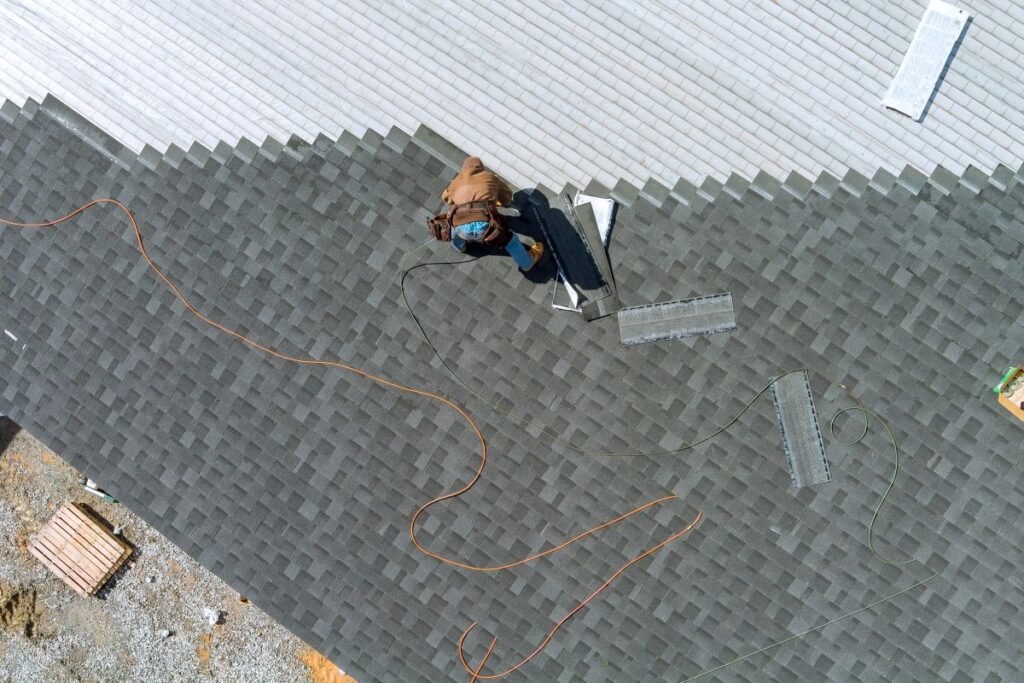
Every homeowner dreads roof damage—but knowing what to do in those first few minutes can save your budget and your home’s structural integrity. Whether it’s a windstorm tearing up shingles or water leaking through a cracked flashing joint, emergency roof repair gives you time to breathe, assess, and act before the damage spreads.
If you’re in Winter Garden and surrounding areas and facing storm damage or an urgent leak, Roofing Pros USA is ready to respond quickly. Our team offers emergency tarping, storm assessments, and reliable repair services tailored to your home’s needs.
To request help fast, contact us today at Roofing Pros USA.
