
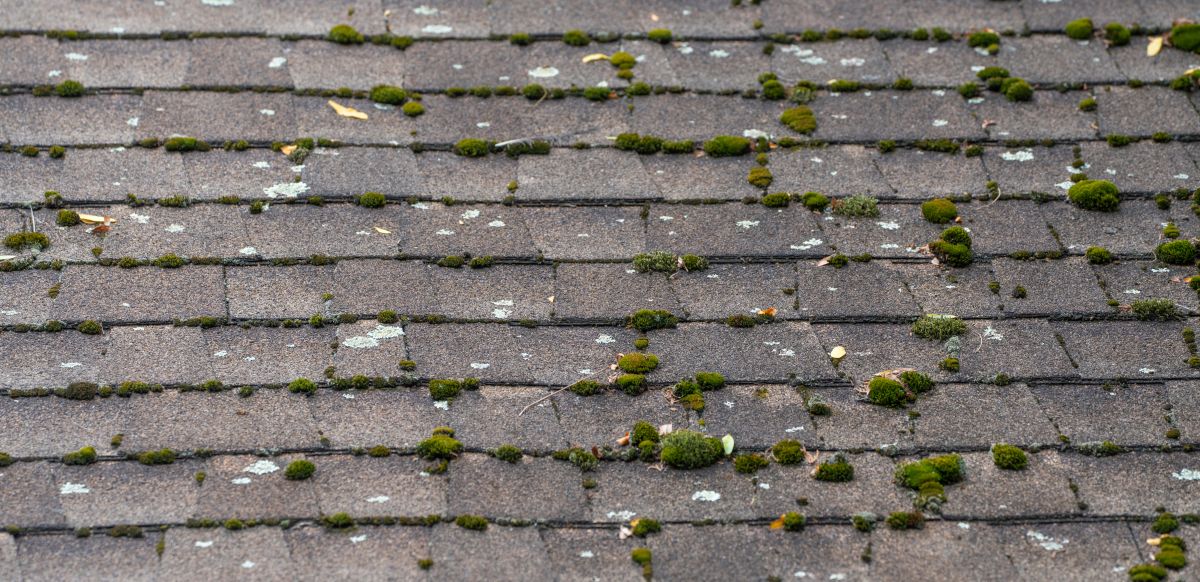
If you’ve noticed dark streaks spreading across your shingles, you’re not alone. algae on roof surfaces is one of the most common roofing issues homeowners face, especially in warm, humid climates. While it often starts as a cosmetic concern, algae can slowly wear down roofing materials and shorten the lifespan of your roof if ignored. In places like Coral Springs and surrounding areas, algae growth is especially aggressive due to moisture and heat. Understanding what causes it and how to deal with it properly can help protect your roof and avoid unnecessary repairs. Many homeowners first notice algae issues when inspecting other parts of their roof system, such as roof decking or drainage areas.
Here’s what you’ll learn in this guide:
- Why roof algae is more than just an appearance problem
- The main reasons algae forms on Florida roofs
- Practical tips to remove and prevent algae safely
- When algae signals deeper roofing problems
- How to protect your roof long-term
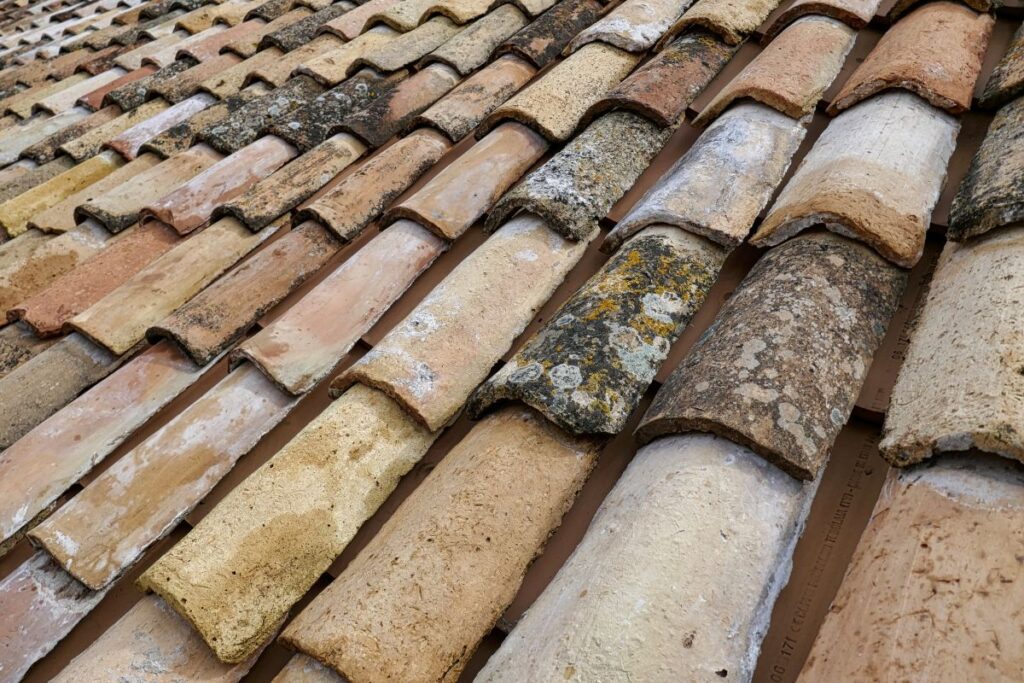
Why Algae on a Roof Is a Bigger Problem Than It Looks
Algae may not cause immediate leaks, but it creates conditions that slowly degrade your roofing system. Ignoring it often leads to higher repair or replacement costs later.
- Reduces Roof Lifespan: Algae feeds on limestone fillers in asphalt shingles, accelerating wear.
- Traps Moisture: Algae retains moisture against the roof surface, increasing the risk of rot and material breakdown.
- Hurts Curb Appeal: Dark streaks can make even a newer roof look old and neglected.
- Leads to Other Growth: Algae often comes before moss or lichen, which can lift shingles and cause leaks.
- Affects Home Value: Visible roof stains can raise red flags for buyers and inspectors.
In Coral Springs and surrounding areas, where humidity stays high year-round, algae problems rarely go away on their own.
5 Reasons Algae Grows on Roofs in Florida
Understanding why algae forms is the first step toward stopping it. These are the most common causes homeowners encounter.
1. Warm, Humid Climate
Florida’s climate is the number one contributor to algae growth. Algae thrives in warm temperatures combined with consistent moisture.
- Frequent rain keeps roofs damp
- Humidity prevents shingles from drying quickly
- Cloud cover after storms creates ideal growth conditions
This is why algae on roof surfaces is so common throughout Coral Springs and surrounding areas.
2. Limited Sun Exposure
Sunlight helps dry out roofing materials. Roof sections that stay shaded are far more likely to develop algae.
- Trees block direct sunlight
- North-facing roof slopes dry more slowly
- Nearby buildings can create constant shade
These shaded areas often show algae streaks first.
3. Organic Debris on the Roof
Leaves, pollen, and dirt provide nutrients that algae uses to spread.
- Debris collects in roof valleys
- Clogged gutters allow moisture to back up
- Wind-blown dust sticks to damp shingles
Over time, this buildup creates a perfect environment for algae to take hold.
4. Aging or Worn Roofing Materials
As shingles age, they lose protective granules and become more porous.
- Older shingles absorb moisture more easily
- Algae embeds deeper into worn surfaces
- Stains become harder to remove as the roof ages
Homes with roofs over 10 to 15 years old are especially vulnerable.
5. Lack of Preventive Maintenance
Roof algae often starts small and spreads quietly when roofs are not inspected or cleaned regularly.
- No routine roof inspections
- Gutters left uncleaned for years
- No preventive treatments applied
Without maintenance, algae can cover large sections of the roof before homeowners notice.
Tips to Remove and Prevent Algae Without Damaging Your Roof
Cleaning algae incorrectly can cause more harm than good. Using the right approach protects your roof while stopping algae from returning.
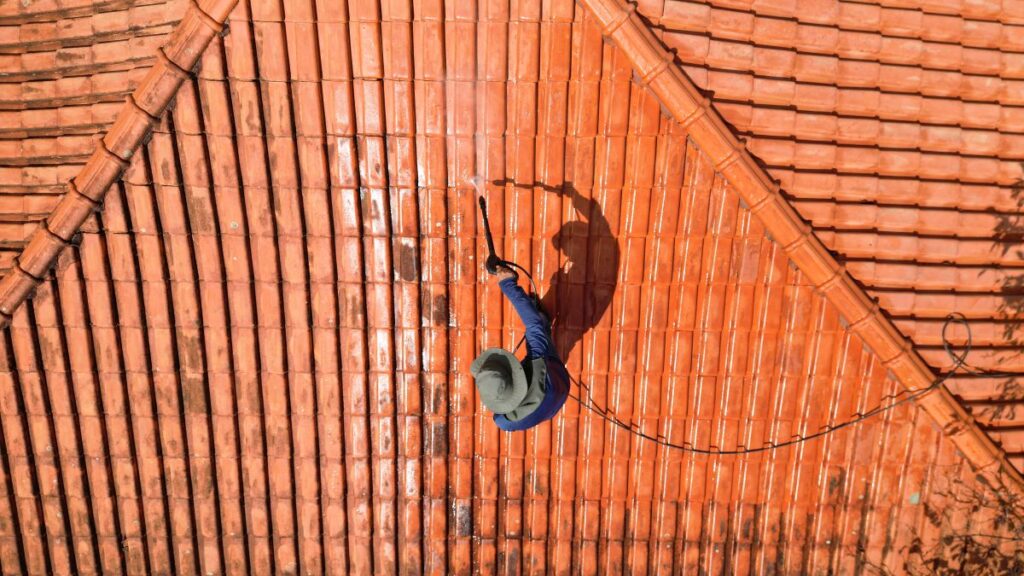
Use Soft Washing Instead of Pressure Washing
High-pressure washing can strip granules, crack tiles, and void warranties. Soft washing is safer and more effective.
- Low-pressure water application
- Roof-safe cleaning solutions
- Kills algae at the root instead of just removing stains
This method is widely recommended for asphalt, tile, and metal roofing.
Install Zinc or Copper Strips
Metal strips placed near the roof ridge release ions that prevent algae growth.
- Long-term prevention solution
- Minimal maintenance required
- Works well in rainy climates
Over time, rainwater carries these ions down the roof surface, limiting algae spread.
Trim Back Overhanging Trees
Reducing shade helps your roof dry faster after rain.
- Improves sunlight exposure
- Reduces leaf and debris buildup
- Lowers moisture retention on shingles
This simple step can significantly reduce algae growth in problem areas.
Keep Gutters and Roof Clear
Water that cannot drain properly creates ideal conditions for algae.
- Clean gutters at least twice per year
- Remove debris from roof valleys
- Ensure downspouts are functioning properly
Good drainage is one of the most overlooked algae prevention tools.
Consider Algae-Resistant Roofing Products
If you are replacing your roof, algae-resistant shingles are worth considering.
- Embedded copper granules slow algae growth
- Available in many styles and colors
- Especially useful in Coral Springs and surrounding areas
While not algae-proof, these materials greatly reduce staining.
When Algae Is a Sign of a Bigger Roofing Issue
Sometimes algae growth indicates more than surface-level staining. Knowing when to investigate further can save you from expensive repairs.
Signs Algae May Be Causing Damage
- Shingles feel soft or brittle
- Granules are collecting in gutters
- Roof decking shows signs of moisture damage
- Interior ceiling stains or attic moisture
These signs suggest that moisture has already compromised parts of the roof.
Repair vs Replacement Decisions
Cleaning may not be enough if algae has been present for many years.
- Roofs nearing the end of their lifespan may not benefit from repeated cleanings
- Structural issues under the shingles may require repairs
- Replacing an aging roof may be more cost-effective long-term
A professional inspection can help determine the best course of action.
Roofing Materials and Their Resistance to Algae
Not all roofing materials respond to algae the same way. Choosing the right material can reduce future problems.
| Roofing Material | Algae Resistance | Maintenance Level | Longevity |
| Standard Asphalt Shingles | Low | Moderate | 15–25 years |
| Algae-Resistant Asphalt | Medium | Low | 20–30 years |
| Metal Roofing | High | Low | 40–70 years |
| Concrete Tile | Medium | Moderate | 30–50 years |
| Clay Tile | High | Low | 50+ years |
In Coral Springs and surrounding areas, metal and algae-resistant shingles are popular choices for homeowners who want fewer maintenance concerns.
How Often Should You Address Algae on Your Roof?
Algae prevention and cleaning should be part of a regular home maintenance plan.
- Annual roof inspections help catch algae early
- Soft washing every 1 to 3 years is common in humid climates
- After major storms, debris should be cleared promptly
Staying proactive reduces the chances of algae causing lasting damage.
Dealing With Algae the Right Way Starts With the Right Team
Algae on your roof may seem like a small issue, but it can lead to bigger problems if ignored. With Florida’s climate, especially in Coral Springs and surrounding areas, taking fast action is the best way to protect your roof’s lifespan and appearance. Proper cleaning, preventive measures, and expert guidance make all the difference.
If you’re dealing with roof algae or want a professional evaluation, contact us today to schedule an inspection with Roofing Pros USA. Our team can help you determine whether your roof needs cleaning, preventive treatment, or long-term solutions to keep algae from coming back.
