
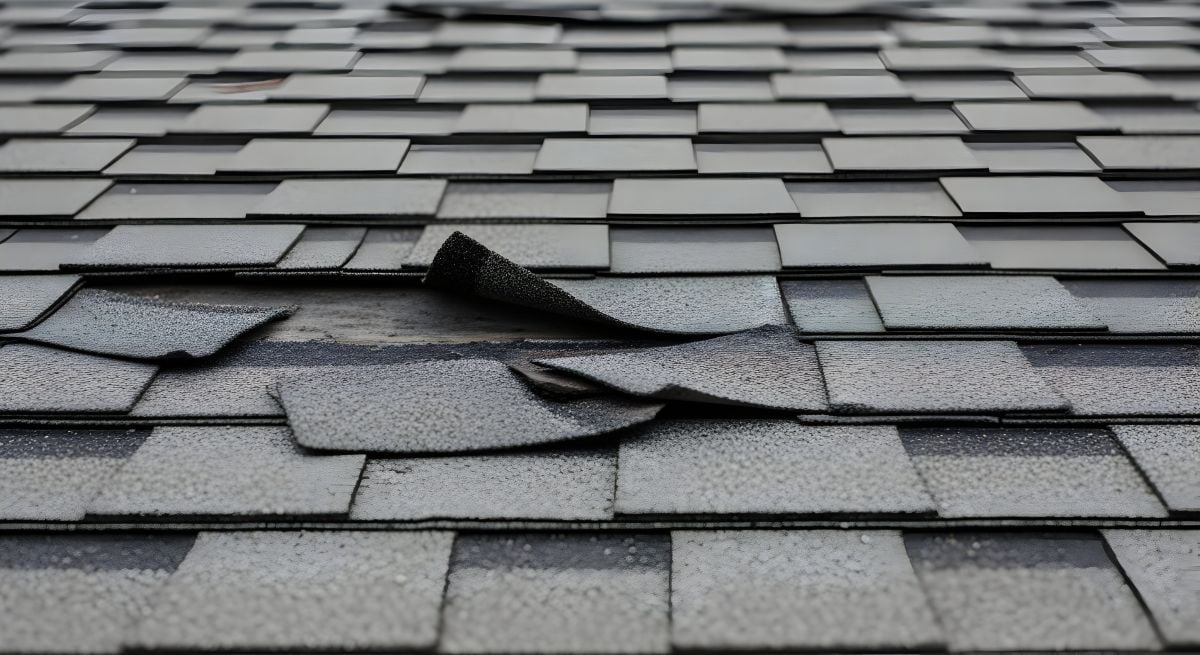
If you’ve noticed your shingles lifting, curling, or peeling at the edges, don’t ignore it. Curling roof shingles are more than a cosmetic issue—they’re often a sign of deeper roofing problems that could lead to costly repairs if left unresolved. Understanding why shingles curl and how to fix them can protect your home, especially in humid areas like Palm Bay and surrounding areas. When learning about shingle performance, it also helps to understand the importance of proper roof layers, especially when considering upgrades like improved roof decking.
Here’s what you’ll learn in this guide:
- Why curling shingles happen in the first place
- How to identify the signs before water damage sets in
- What steps you can take to repair or replace affected areas
- Preventative measures to avoid future issues
- When to call in a professional roofer for help
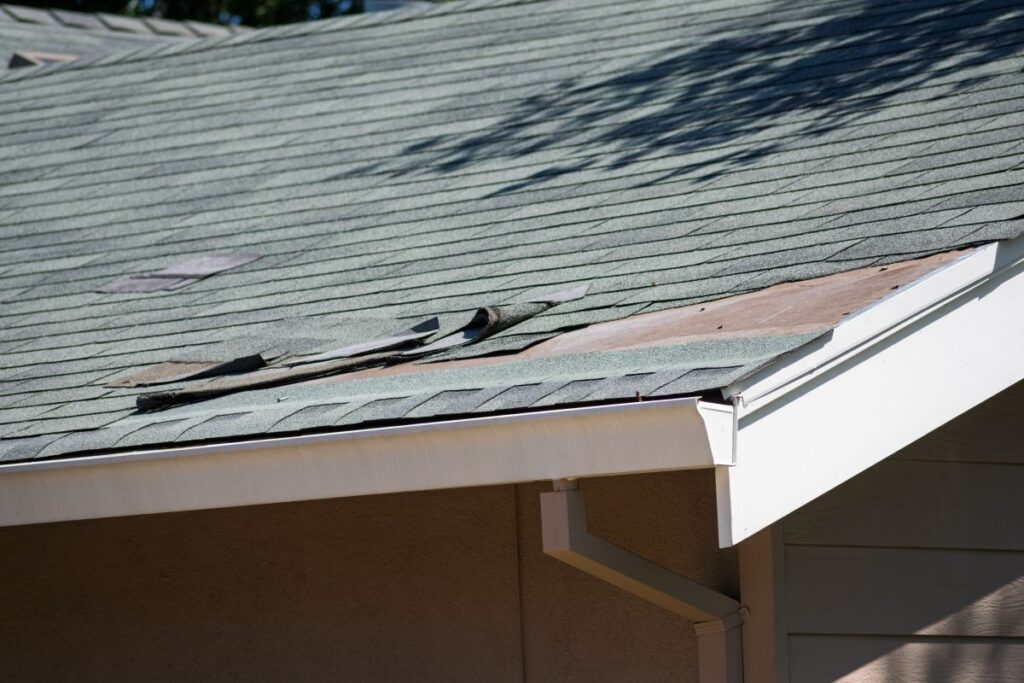
Why Curling Roof Shingles Are a Big Deal
Curling shingles don’t just affect your roof’s appearance—they open the door to potential water intrusion, reduced energy efficiency, and other issues. Here’s why it’s important to address them quickly:
- Water Damage Risk: When shingles curl, rain can seep underneath and rot the roof decking or attic insulation.
- Shorter Roof Lifespan: Curled shingles are often a sign of aging or improperly installed materials, which shortens your roof’s service life.
- Higher Energy Bills: Poor coverage from curled shingles reduces your home’s ability to reflect heat, which matters in warm climates like Palm Bay and surrounding areas.
- Home Insurance Trouble: If your insurer notices roofing issues during an inspection, it could affect your coverage or premiums.
- Potential for Mold Growth: Once moisture gets in, it doesn’t take long for mold to develop inside your attic.
5 Common Causes of Curling Roof Shingles
Before you fix curling shingles, it’s important to know why they curled in the first place. Below are the five most common culprits behind this problem.
1. Aging Shingles
Asphalt shingles are built to last, but even high-quality options start to degrade after 15–25 years. Over time, the protective granules wear off, allowing the material underneath to shrink and curl. You may also notice brittleness or cracks, especially at the edges.
- Check if other areas of your roof look worn or have missing granules
- Look for signs of exposed fiberglass mat underneath the top layer
2. Improper Installation
If shingles weren’t nailed down properly or if the underlayment was misaligned, they may start curling far earlier than expected. This is a common issue in rushed or DIY installations.
- Nails placed too high or too few nails per shingle can reduce hold
- Inadequate ventilation or poor sealing compounds the problem
3. Poor Attic Ventilation
Heat and moisture buildup in your attic cause shingles to bake from below. In areas like Palm Bay and surrounding areas where humidity is high, this accelerates curling.
- Inspect your attic for moisture, mildew, or stuffy air
- Ensure soffit vents, ridge vents, or gable vents are not blocked
4. Multiple Layers of Shingles
If your roof has had shingles added over old ones without a full tear-off, the bottom layers can warp and affect the top layer. Curled edges are more likely when the surface beneath is uneven.
- You’ll see a “wavy” appearance from the ground
- Roof feels spongy or uneven when walked on
5. Moisture Intrusion or Leaks
If your roof isn’t watertight, moisture can seep into the deck and rise upward, damaging shingles from below. This is often accompanied by visible algae, water stains, or soft decking.
- Check ceilings for water spots or peeling paint
- Look for moss or algae buildup around curled shingle areas
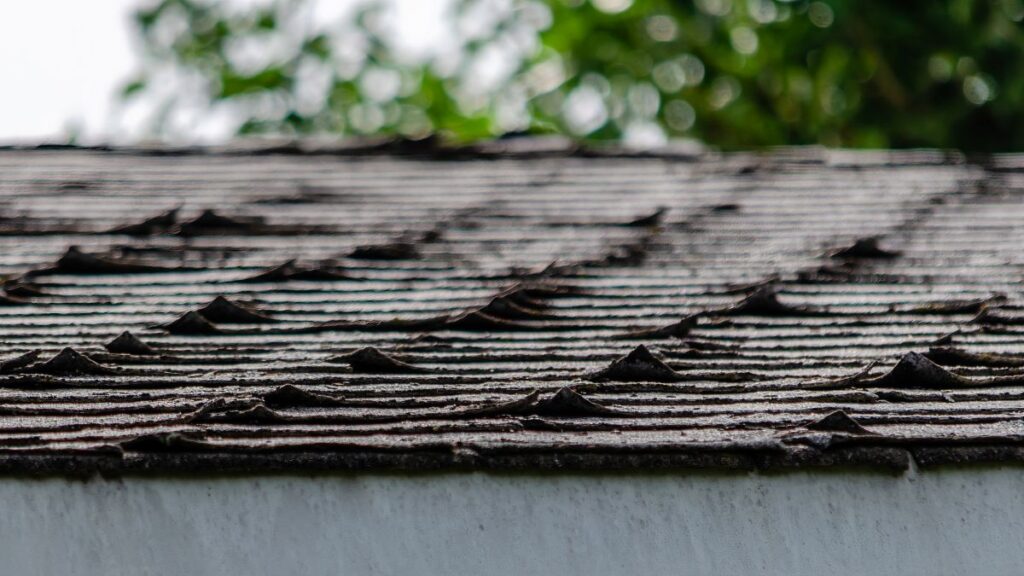
How to Address Curling Shingles (And Prevent More Damage)
Shingle curling doesn’t always mean full roof replacement—but it does mean action is needed. Here’s how to approach the problem safely and effectively.
Temporary Repairs
- Roof Cement or Adhesive: Press down curled corners with roof cement for a temporary fix.
- Replace Individual Shingles: If only a few are affected, remove and replace those shingles.
- Use a Roof Patch Kit: These kits include sealants and adhesive patches for fast repairs.
Full Roof Inspection
- Hire a licensed roofing professional to inspect both surface damage and underlying issues.
- Ask for drone photos or a report detailing ventilation and moisture findings.
Upgrade Roof Ventilation
- Add or replace ridge vents, attic fans, or intake vents as needed.
- Ensure airflow meets building code standards for your home’s square footage.
Schedule Preventative Maintenance
- Get yearly inspections before storm season hits in Palm Bay and surrounding areas.
- Clean gutters and remove debris that traps moisture on shingles.
Full Roof Replacement (When Needed)
- Consider replacement if more than 25–30% of the roof has curled or brittle shingles.
- Use high-quality shingles with algae-resistant and heat-reflective properties.
Key Signs Your Roof Needs Professional Attention
Sometimes it’s hard to know when to DIY a fix or call a pro. These signs indicate it’s time for expert help.
- Leaks in Ceiling: Active drips or stains mean moisture is getting through
- Curling on Multiple Slopes: If more than one section is affected, the whole system may be compromised
- Shingle Granules in Gutters: This is an early sign of breakdown
- Daylight in the Attic: If you can see sunlight from inside, curled shingles may have already exposed gaps
Comparing Roof Repair vs. Replacement
Here’s a simple breakdown to help weigh your options:
| Situation | Best Option | Reason |
| 1–2 curled shingles | Spot repair | Cost-effective and quick fix |
| Curling due to poor ventilation | Repair + ventilation upgrade | Stops future issues |
| 25%+ of shingles curling | Roof replacement | Long-term solution |
| Signs of moisture or attic mold | Full inspection | Prevents structural damage |
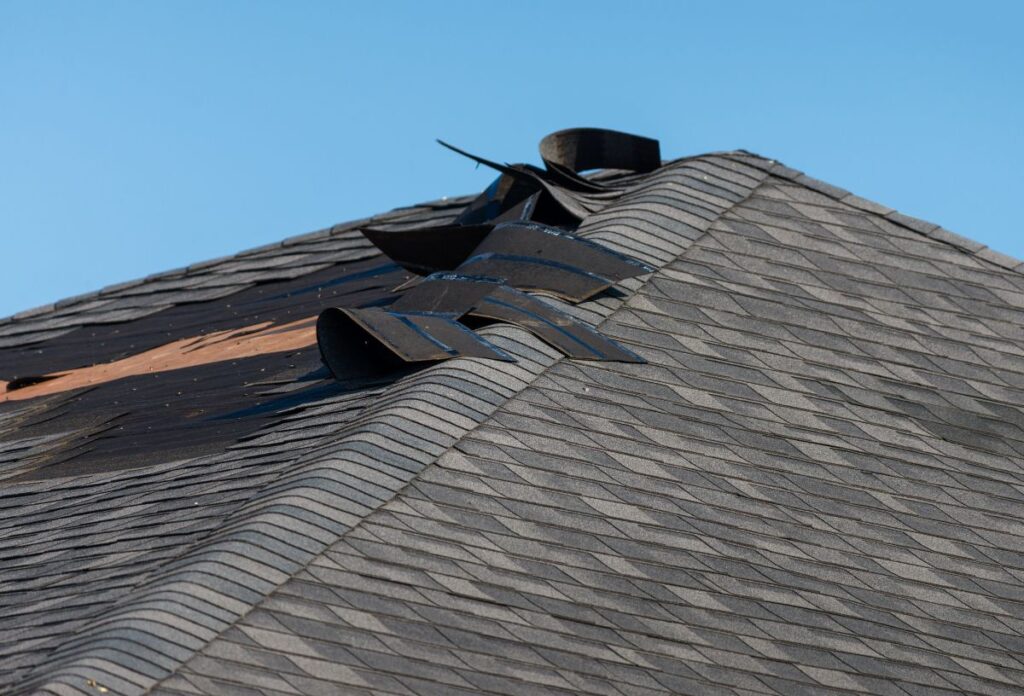
How Florida Climate Impacts Shingle Curling
Florida’s heat, humidity, and frequent storms all contribute to faster roof wear. In places like Palm Bay and surrounding areas, shingles face unique challenges:
- High UV Exposure: Breaks down asphalt binders and causes curling
- Storm Wind Lift: Curled shingles are more likely to blow off during tropical storms
- Humidity Buildup: Traps moisture under shingles, especially if the attic isn’t vented
If you’re in Palm Bay and surrounding areas, roofing inspections are especially critical before hurricane season. Even mild curling can escalate quickly if left untreated during Florida’s storm-prone months.
Roofing Materials That Resist Curling
If you’re replacing your roof or upgrading materials, here are some options known to hold up better:
- Architectural Shingles: Thicker than 3-tab shingles and more resistant to curling
- Metal Roofing: Won’t curl or crack and lasts 40–70 years
- Tile Roofing: Durable and heat-resistant, ideal for hot climates
- Impact-Resistant Shingles: Rated for wind and hail protection
Final Thoughts + When to Call Roofing Pros USA
Curling roof shingles aren’t something to ignore. While one or two may seem minor, they could signal deeper problems like moisture damage or poor attic ventilation. Quick repairs or upgrades now can save thousands in long-term damage, especially for homes in humid coastal zones like Palm Bay and surrounding areas.
If you’ve noticed lifted corners, cracked edges, or shingles curling back from the roofline, it’s time for a closer look. Don’t wait for leaks or mold to spread—contact us today to schedule an inspection with Roofing Pros USA. Our local team can assess your roof, explain your options, and deliver high-quality repairs or replacement you can trust.
