
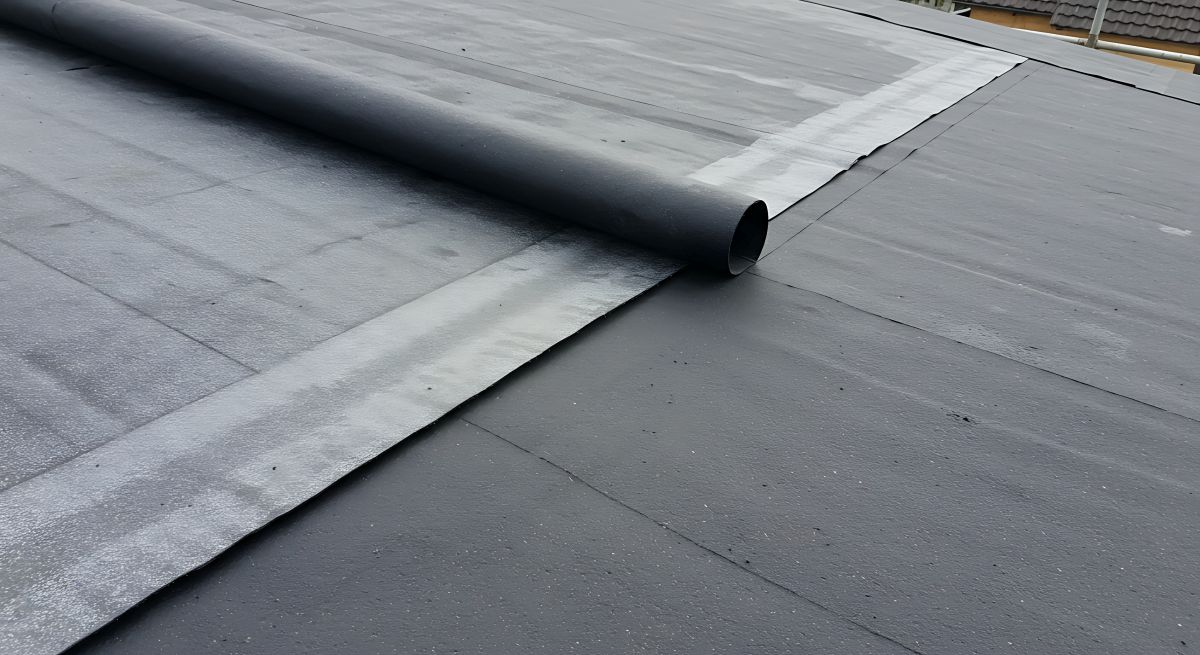
If you’re looking for an affordable way to protect a shed, garage, or low-slope roof, asphalt roll roofing may be the right solution. This material has been used for decades across the U.S. thanks to its simplicity, low price point, and quick installation process. While it may not be the flashiest roofing option, it’s worth considering if you’re working on a tight budget or need something temporary. Understanding how this material works can also help you make informed decisions about long-term roofing options and how various materials interact with underlayment, flashing, or roof decking configurations.
- What asphalt roll roofing is and how it’s used
- Pros and cons of this roofing material
- Installation steps and important precautions
- How it compares to other budget-friendly roofing options
- When it’s the right fit—and when it’s not
Why Consider Asphalt Roll Roofing?
Asphalt roll roofing has been a go-to for homeowners, contractors, and property managers for generations. Though not designed for every type of roof, it still plays an important role in the industry.
- Cost-Effective Solution: One of the most affordable roofing materials on the market, ideal for budget-conscious projects.
- Fast Installation: Roll roofing can be installed in a matter of hours, making it a top choice for emergency repairs or quick builds.
- Basic Waterproofing Protection: Provides a decent barrier against rain, moisture, and debris when installed correctly.
- Ideal for Non-Habitable Structures: Commonly used on sheds, workshops, detached garages, and low-priority buildings.
- Lightweight: Compared to shingles or tile, asphalt roll roofing adds very little structural load.
If you own a property in Stuart and surrounding areas, this material might be the right choice for accessory structures or quick DIY repairs.
5 Key Facts About Asphalt Roll Roofing
To help you understand the material better, here’s a breakdown of what asphalt roll roofing is, how it’s made, and where it works best.
1. What Is It Made Of?
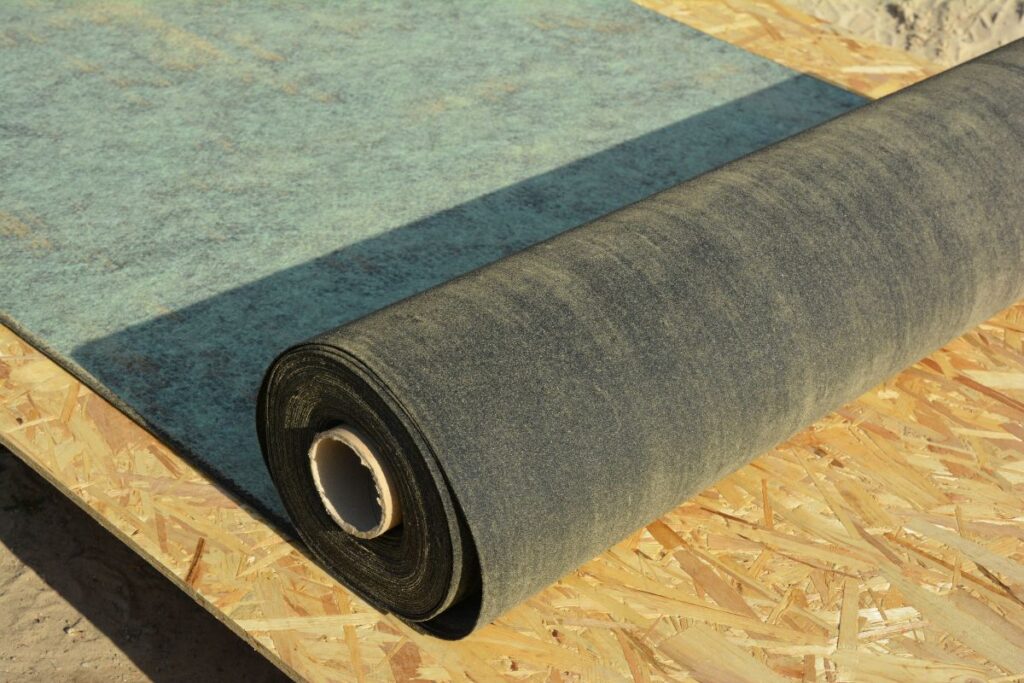
Asphalt roll roofing is made of the same base materials as asphalt shingles: fiberglass or organic felt saturated with asphalt and topped with mineral granules.
- Sold in rolls typically 36 inches wide
- Each roll covers about 100 square feet
- Often weighs 75 to 90 pounds per roll
These features make it easy to transport and handle, even for small-scale DIY projects.
2. Where Is It Commonly Used?
Because of its simplicity, asphalt roll roofing is usually reserved for:
- Low-slope roofs (under 2:12 pitch)
- Sheds, barns, and garages
- Temporary shelters
- Home additions or porches
- Mobile homes (with proper slope)
It’s generally not recommended for the main roof of a residence due to its shorter lifespan and limited curb appeal.
3. How Long Does It Last?
Compared to shingles or metal, roll roofing doesn’t last very long.
- Average lifespan: 5 to 10 years
- Factors like installation quality and sun exposure affect longevity
- Not designed to withstand heavy foot traffic or severe storms
That said, it’s a fair option for temporary fixes or structures not exposed to harsh conditions.
4. How Is It Installed?
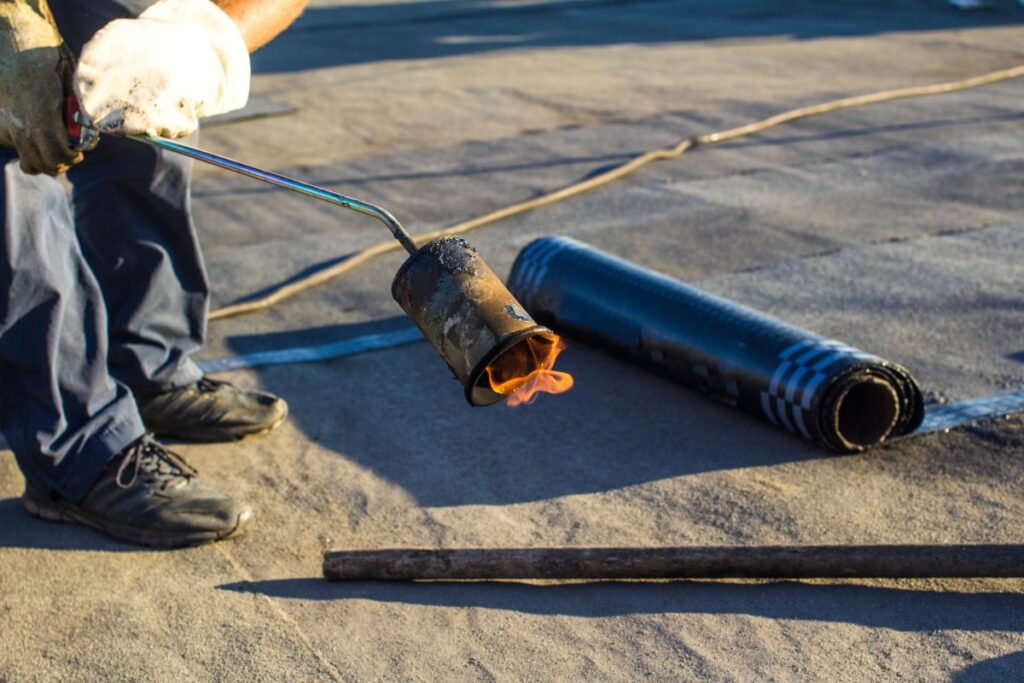
There are a few methods, but the most common involves overlapping the rolls and securing them with nails or adhesive.
- Must be installed on a clean, flat deck
- Requires underlayment or base sheet for best results
- Often sealed with roofing cement at seams
We’ll explore the full process in detail below.
5. Is It Up to Code in Florida?
In places like Stuart and surrounding areas, roofing materials must meet strict codes due to weather and wind risk. While roll roofing can meet code on certain outbuildings, it may not be approved for full home use without upgrades or reinforcements.
Always check with a licensed contractor to ensure compliance.
How to Install Asphalt Roll Roofing: Step-by-Step
If you’re considering a small project or simply want to understand how it’s done, here’s a general breakdown of the process.
1. Prepare the Roof Surface
- Remove old roofing materials down to the decking
- Replace any damaged decking boards
- Sweep or blow off debris for a clean working surface
In some cases, a base sheet or layer of felt underlayment may be required.
2. Measure and Cut the Rolls
- Unroll the material and allow it to lay flat in the sun to soften
- Pre-measure each section, adding 2–4 inches for overlaps
- Cut with a utility knife on a safe, flat surface
Pre-cutting helps the installation go faster and ensures better alignment.
3. Apply Roofing Cement or Adhesive (Optional)
- Some installers prefer cold adhesive instead of nails
- Apply with a trowel or roofing brush along edges and seams
- Helps improve water resistance and wind uplift protection
This step may be skipped if you’re using mechanical fasteners only.
4. Position the First Roll
- Start at the bottom edge of the roof and work upward
- Allow 2–3 inches of overhang beyond the eaves for drainage
- Secure the roll using roofing nails spaced every 6–12 inches
Be sure not to overdrive nails, which can tear the material.
5. Overlap the Next Row
- Each row should overlap the previous by at least 2 inches
- Seams should be staggered to avoid water tracking
- Use roofing cement or sealant between layers for added protection
Continue until the roof is fully covered, finishing with a ridge cap if needed.
6. Seal All Edges and Seams
- Apply roofing cement to edges, nail heads, and overlaps
- Ensure water cannot get under the material
For low-slope roofs in wet climates, this sealing step is essential.
Pros and Cons of Asphalt Roll Roofing
Is this material the right choice for your project? Here’s how it stacks up against alternatives.
Pros
- Budget-Friendly: Costs $1.50–$3.00 per square foot installed
- Quick to Install: Many projects can be completed in a single day
- Lightweight: No need for added framing or structural support
- Available at Most Hardware Stores: Widely accessible for DIYers
Cons
- Shorter Lifespan: 5–10 years vs. 20–30 years for shingles
- Low Aesthetic Value: Not suitable for high-visibility homes
- Vulnerable to Wind Uplift: Especially on unsealed seams
- Limited Use Cases: Not typically approved for full residential roofs
Asphalt Roll Roofing vs Other Affordable Options
If you’re comparing cost-effective roofing materials, here’s how asphalt roll stacks up:
| Material | Lifespan | Avg Cost per Sq Ft | Appearance | Ideal Use |
| Asphalt Roll Roofing | 5–10 yrs | $1.50–$3.00 | Basic, industrial | Sheds, garages, porches |
| Asphalt Shingles | 20–30 yrs | $3.00–$5.50 | Traditional look | Homes, additions |
| TPO Membrane | 15–30 yrs | $5.00–$9.00 | White, reflective | Flat/low-slope roofs |
| Corrugated Metal | 30–50 yrs | $4.00–$7.00 | Industrial/modern | Homes, sheds, cabins |
While roll roofing wins on price, asphalt shingles or metal offer more durability and better resale value for larger projects.
When Is Asphalt Roll Roofing the Right Choice?
This material isn’t for everyone, but it can be a smart fit in the following situations:
Best For
- Small, detached buildings like sheds or barns
- Temporary repairs on low-slope roofs
- Low-budget structures or quick turnarounds
- DIY homeowners with basic tools and experience
Not Ideal For
- Main residential homes in hurricane-prone regions
- Roofs with a steep pitch or complex layout
- Long-term builds with resale goals
- Areas with strict wind code requirements (check local regulations in Stuart and surrounding areas)
If you’re unsure about fit, consult a roofing expert to evaluate your structure’s needs and alternatives.
Explore Your Roofing Options with Roofing Pros USA
Asphalt roll roofing may not be glamorous, but it serves an important purpose for homeowners needing an efficient, cost-effective solution. For the right project, it can be a quick win—especially when installed correctly and maintained with care.
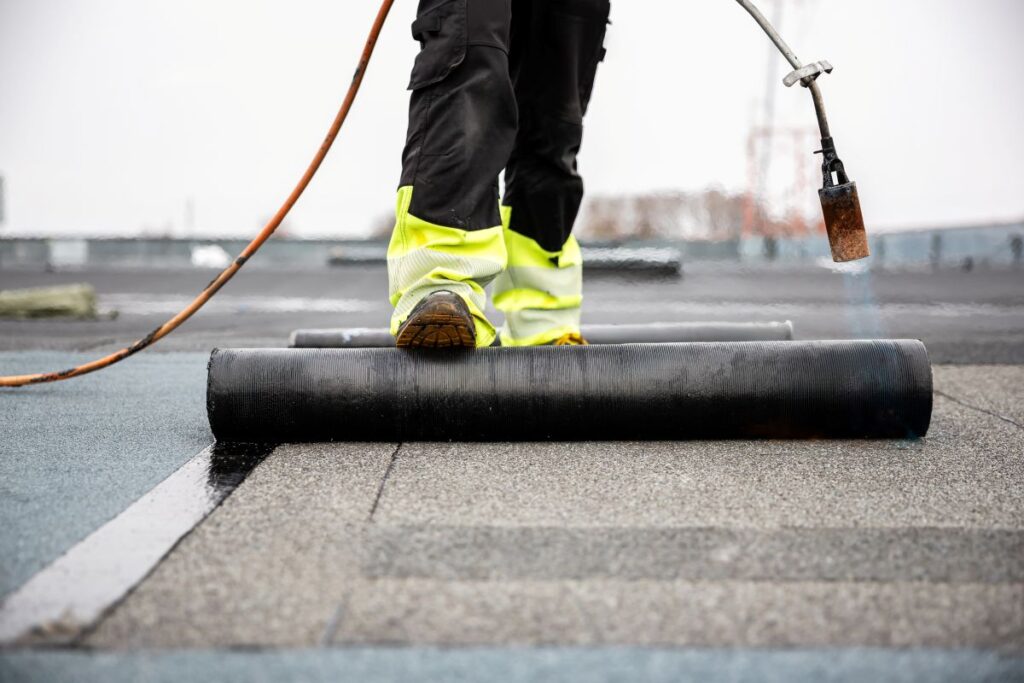
Whether you’re looking to protect a workshop, patch a garage, or weigh all material options for a new roof, Roofing Pros USA is here to help. If you live in Stuart and surrounding areas, our team can inspect your current setup, recommend smart solutions, and handle installations of all sizes.
To learn more or get an estimate, contact us today and speak with the roofing experts at Roofing Pros USA.
