
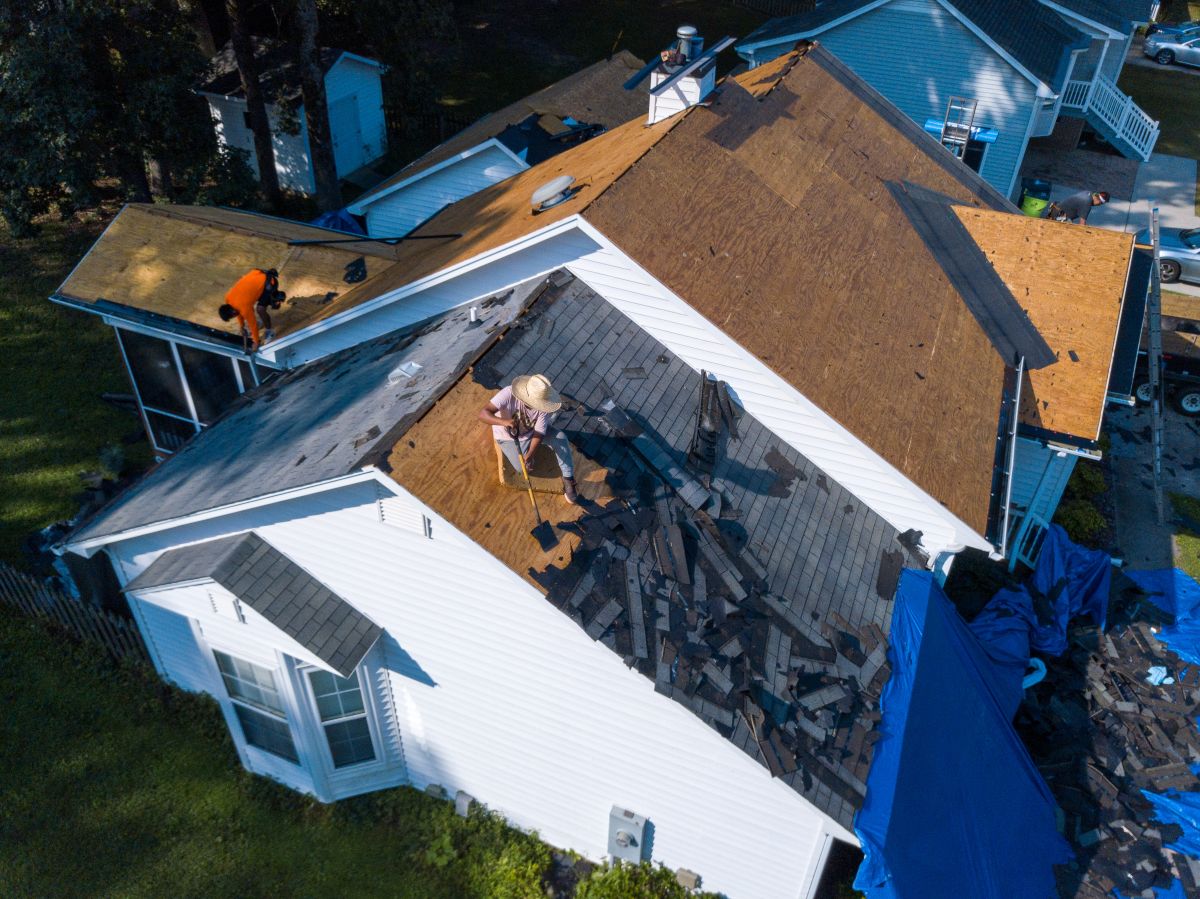
If your roof is reaching the end of its lifespan, you might be wondering whether tackling the job yourself is a smart move. While a DIY roof replacement may seem like a great way to save money, it’s important to understand what’s really involved before committing to such a demanding project. For Florida homeowners—especially those in fast-growing areas like Apopka and surrounding areas—roofing decisions can have long-term effects on property value, energy efficiency, and safety. That’s why many people choose to work with professionals with experience handling everything from shingles to roof decking and waterproofing.
- What factors to consider before deciding on a DIY replacement
- A 5-step overview of the roof replacement process
- Key safety, budget, and material concerns
- What can go wrong without professional installation
- How Roofing Pros USA can help protect your investment
What’s at Stake With a DIY Roof Replacement?
Choosing to replace your own roof isn’t just about saving money—it’s about taking on responsibility for the performance and safety of your entire home. Your roof is your first defense against Florida’s harsh weather, and even small mistakes can lead to big problems.
- Safety Concerns: Roofing is physically demanding and can be dangerous without the proper fall protection and experience.
- Material Waste: Improper installation often leads to wasted materials or costly rework down the line.
- Insurance Voids: Many home insurance policies don’t cover damage caused by improperly installed roofing.
- Lower Resale Value: DIY work can raise red flags for home inspectors, especially if the workmanship is visibly inconsistent.
- Cost Overruns: If you make mistakes during installation, you may end up paying a contractor to fix or redo the job anyway.
5 Best Practices for DIY Roof Replacement
Even if you’re confident in your construction skills, replacing a roof yourself takes careful planning and precision. Here’s what every homeowner should keep in mind before removing that first shingle.
1. Plan and Pull Permits
Before any tear-off or installation begins, check with your local building department about permitting requirements. In most Florida counties, roof replacements require an inspection and a permit.
- Research zoning codes and homeowner association restrictions
- Confirm approved materials for your region and roof slope
- Schedule inspections to avoid penalties or future insurance issues
2. Tear Off the Existing Roof
This stage is messy, loud, and physically exhausting. Tearing off your current roofing system (shingles, underlayment, flashing) must be done methodically to prevent damage to the roof deck or surrounding structures.
- Use a roofing shovel or pitchfork for removal
- Protect landscaping and air conditioners with tarps
- Check for signs of rot or soft spots in the decking
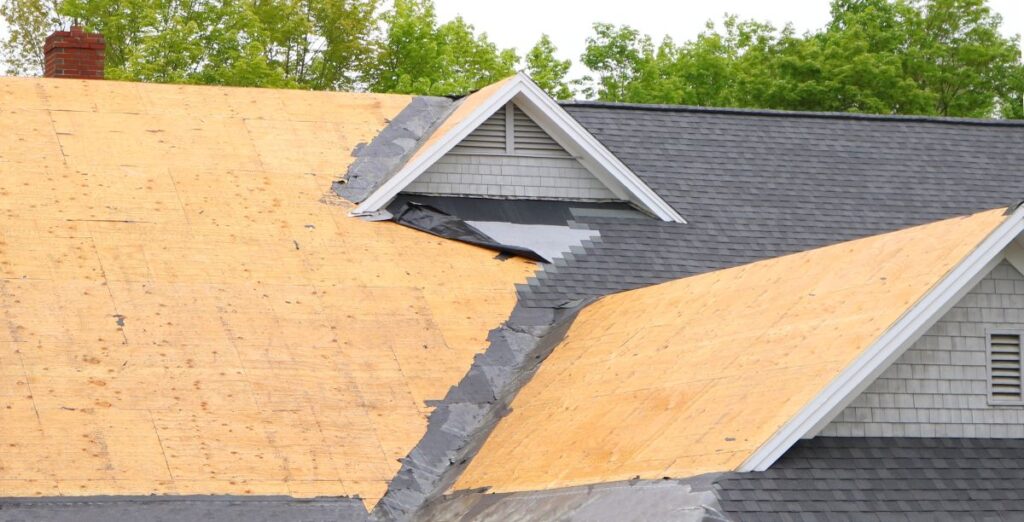
3. Inspect and Repair the Roof Deck
The roof decking (often plywood or OSB) must be inspected for any water damage, mold, or structural weakness. If there’s even slight give underfoot, replace the damaged sections before installing anything new.
- Replace any rotted or delaminated panels
- Use proper fasteners and space boards per local codes
- Reinforce with hurricane straps if required by local regulations
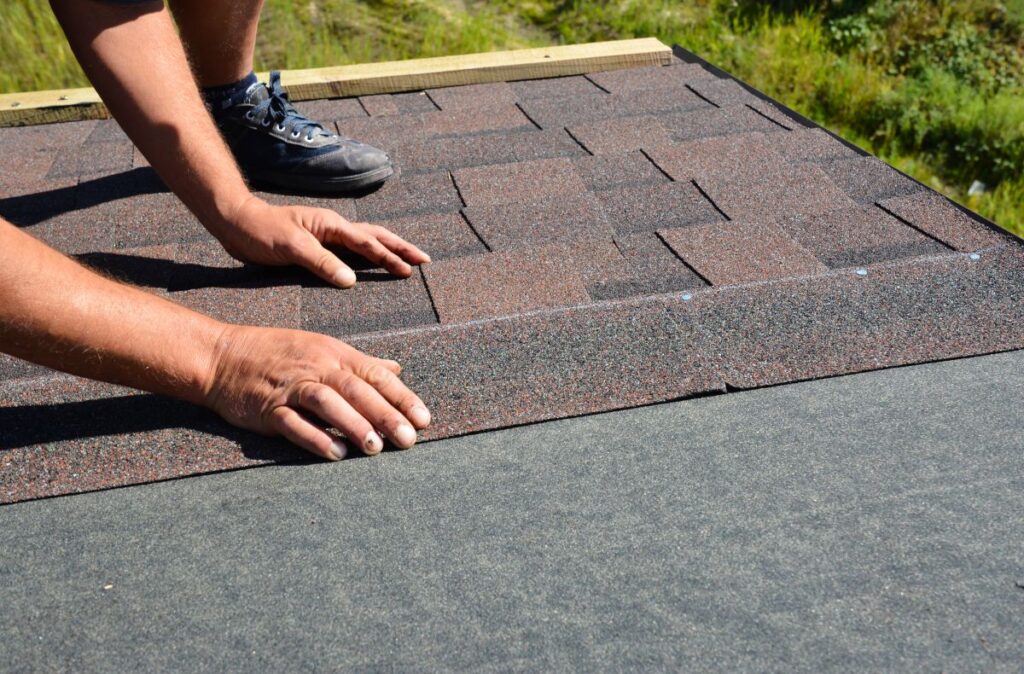
4. Install Underlayment and Flashing
Underlayment is a waterproof barrier that sits between the decking and shingles. Flashing is installed in valleys, around vents, and along edges to direct water away from vulnerable areas.
- Choose synthetic underlayment for better durability and UV protection
- Ensure there’s no wrinkling or tearing in the membrane
- Properly integrate flashing with drip edge and starter strips
5. Lay the Shingles (or Chosen Material) Properly
Follow manufacturer instructions precisely when laying new shingles, tile, or metal panels. Start from the bottom edge of the roof and work upward, overlapping layers to channel water off the roof.
- Use chalk lines to keep rows straight
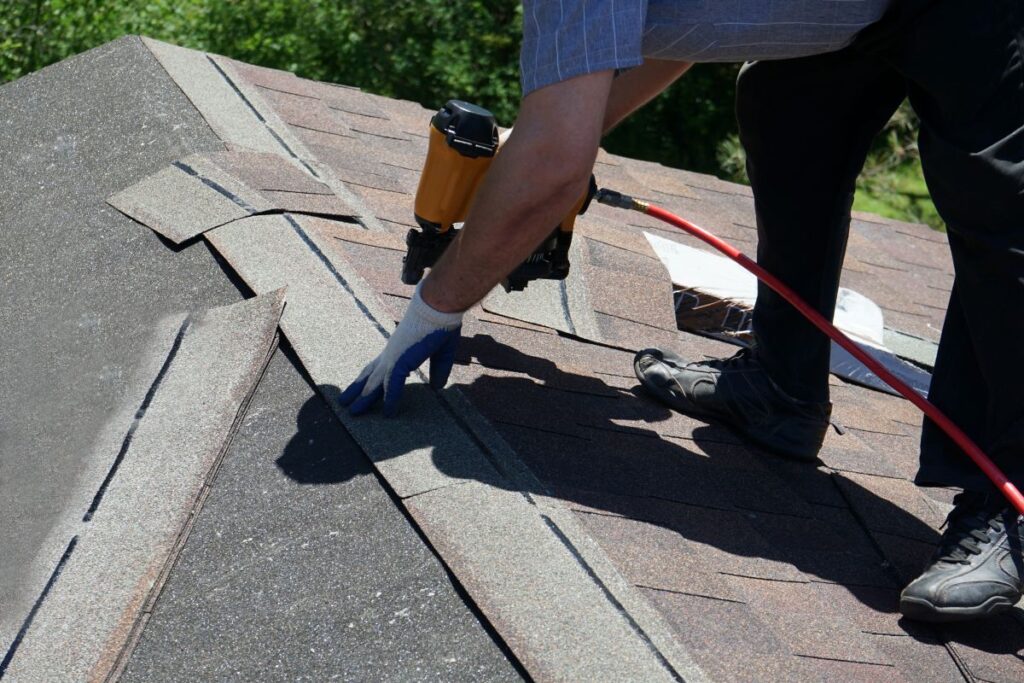
- Nail shingles in the correct location to prevent uplift
- Avoid installing in extreme heat, which can cause adhesive failure
When DIY Roofing Backfires: Common Mistakes to Avoid
Even with preparation, DIY roof replacement can go wrong—fast. Here are a few red flags and risks that homeowners in Apopka and surrounding areas should take seriously.
- Improper Nail Placement: Too high or too few nails can cause blow-offs.
- Flashing Errors: Misplaced flashing allows water intrusion around chimneys and vents.
- Missing Ice/Water Shield: Florida may not get snow, but heavy rain makes a leak barrier essential.
- Ventilation Issues: Inadequate attic airflow can lead to mold and premature roof failure.
- Underestimating the Time Commitment: A roofing crew can finish in days—DIYers often take weeks, exposing your home in the meantime.
DIY vs Professional Roof Replacement: A Real Cost Comparison
Sometimes the biggest surprise is how much a DIY job really costs once materials, tools, and time are factored in. Here’s a basic comparison:
| Feature | DIY Roof Replacement | Professional Roof Replacement |
| Labor Costs | $0 (your time) | $3,000–$7,000 depending on roof size |
| Materials Cost | $3,000–$6,000 | Often included or discounted by contractors |
| Tools & Equipment | $500–$1,200 (ladders, nailers) | Provided by contractor |
| Time to Complete | 1–2 weeks (weather dependent) | 2–5 days |
| Risk of Errors | High | Low (licensed & insured team) |
| Warranty Coverage | Limited or none | Full system & workmanship warranties |
A licensed contractor like Roofing Pros USA can also source materials more affordably, ensure code compliance, and back the work with solid warranties.
Is DIY Ever a Good Idea?
There are some situations where a DIY roof job might make sense—especially if you’re replacing a small structure or doing a partial repair. However, full roof replacements on large homes should be left to the pros.
DIY-Friendly Projects:
- Small detached garages or sheds
- Repairs on accessory buildings
- Short-term patchwork in emergencies
Call a Professional For:
- Full home roof replacements
- Multi-story homes
- Tile, metal, or specialty roofing systems
- Storm damage or insurance-covered work
If you’re unsure where to draw the line, a professional inspection can help you make the right call for your home and budget.
Thinking About a New Roof? Let’s Talk
If you’re considering replacing your roof yourself, it pays to understand what’s involved and where the real risks lie. In many cases, hiring a licensed team will save you more in the long run than doing it yourself. For expert help in Apopka and surrounding areas, contact us today to schedule an estimate or consultation. Roofing Pros USA is here to make sure your next roof is safe, code-compliant, and built to last.
