
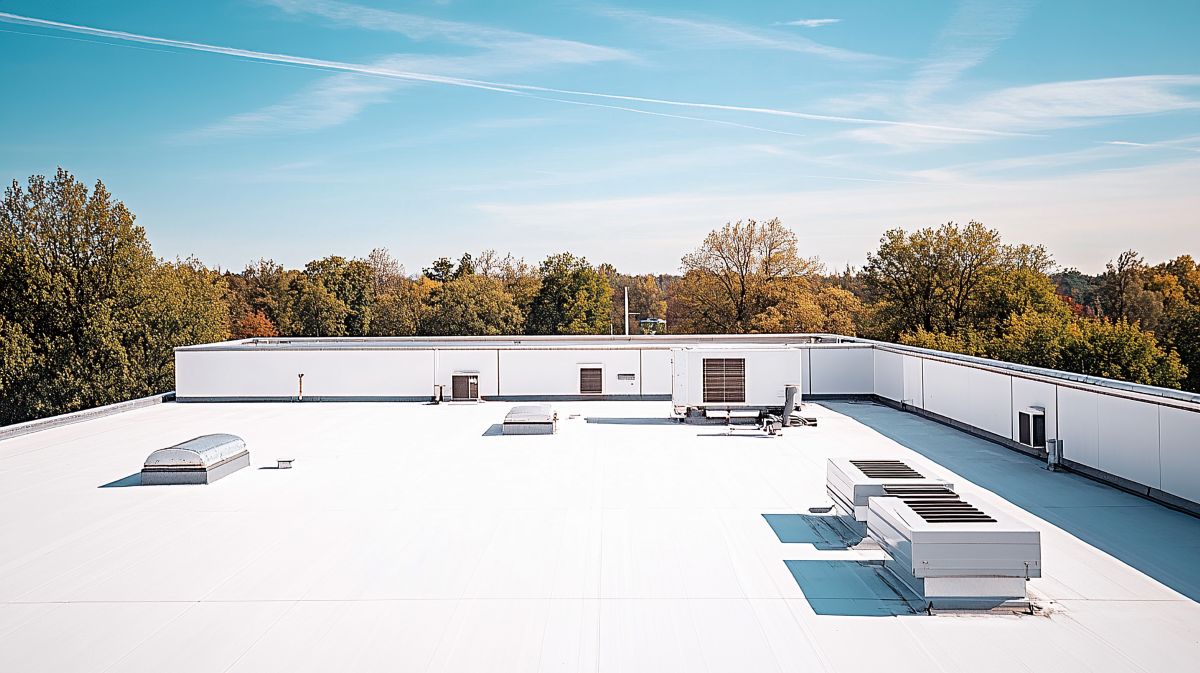
If you’re planning to install a flat roof on your home or commercial building, one of the biggest decisions you’ll make is which material to use. Choosing the right flat roof materials can mean the difference between a short-term fix and a long-lasting, energy-efficient system. Whether you’re replacing a worn-out roof or building new, understanding your options is key. You can explore more about proper installation by learning how roof decking choices impact overall performance.
In this guide, we’ll break down:
- The most common flat roofing materials and what makes them different
- Key benefits of each material
- Tips for choosing the right option for your climate, building type, and budget
- How St. Petersburg and surrounding areas influence your roofing decisions
Why Flat Roof Material Choice Matters
Not all flat roofs are created equal. The material you choose directly impacts durability, maintenance, energy efficiency, and overall lifespan.
- Weather Resistance: Some materials hold up better to Florida’s heat, storms, and humidity than others.
- Energy Efficiency: Reflective materials can lower cooling costs in hot climates.
- Maintenance Requirements: Certain systems need regular inspections or repairs.
- Lifespan Expectations: Materials like PVC or EPDM can last decades with proper care.
- Cost vs Value: Initial costs vary, but so does long-term performance and ROI.
Flat roofs aren’t just for commercial buildings anymore—many homeowners in St. Petersburg and surrounding areas are opting for modern flat roof designs, making this choice even more important.
7 Flat Roof Materials to Consider
Below are the most commonly used flat roof systems in residential and commercial properties, each with its own pros and cons.
1. Modified Bitumen (Mod-Bit)
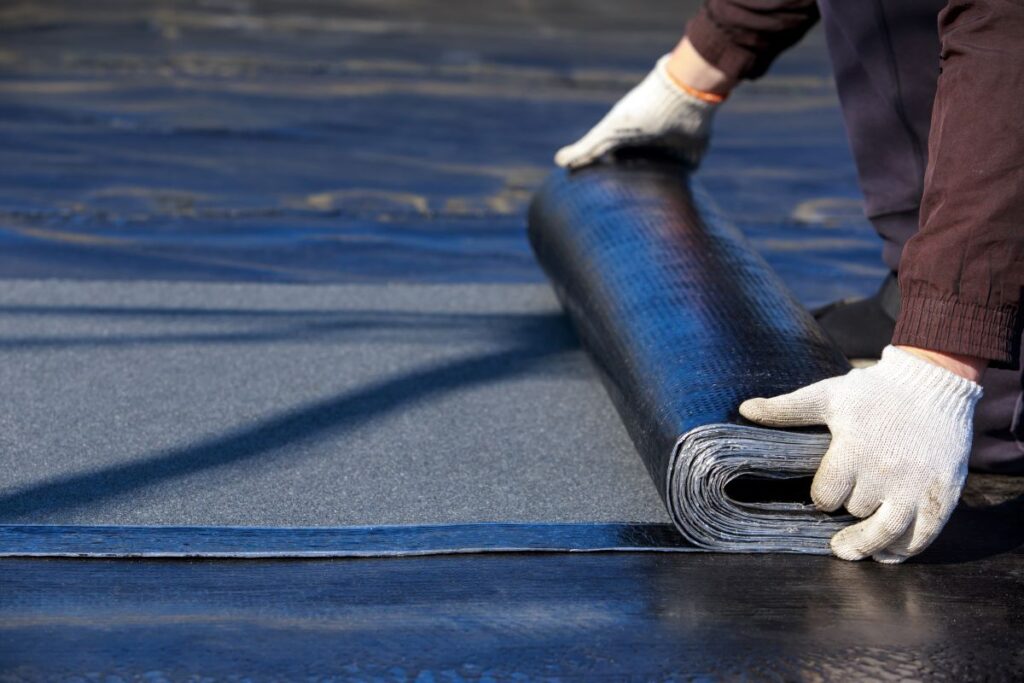
Modified bitumen is an asphalt-based material reinforced with fiberglass or polyester. It’s installed in rolls and can be torch-applied, cold-applied, or self-adhered.
- Affordable and widely available
- Works well for smaller residential flat roofs
- Moderate life expectancy (10–20 years)
- Requires periodic maintenance
2. Built-Up Roofing (BUR)
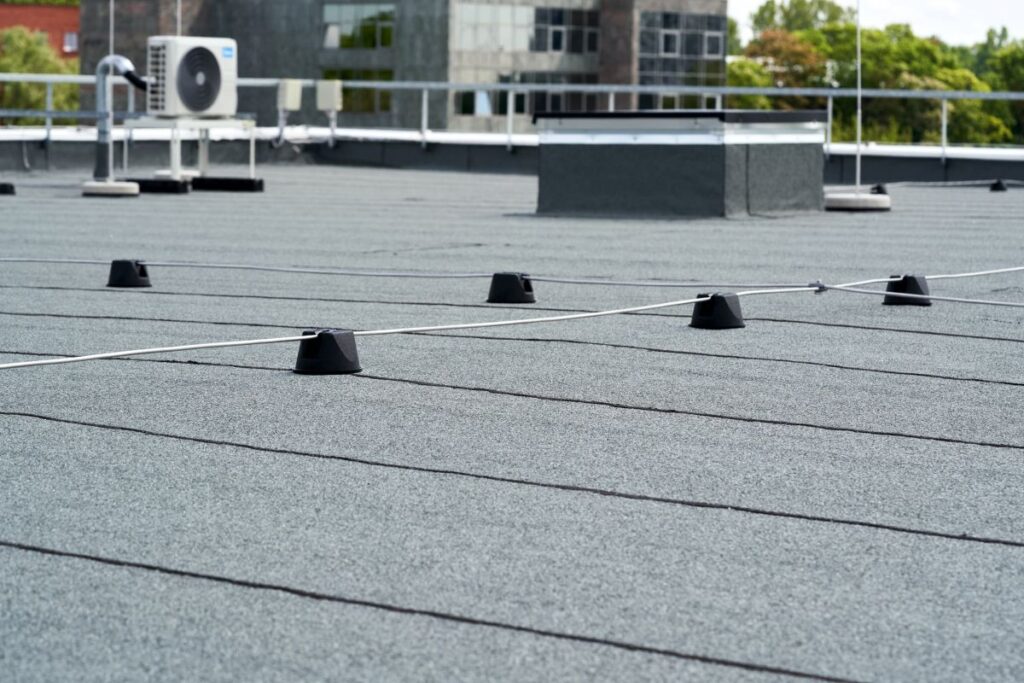
BUR systems, also known as tar and gravel roofs, have been used for over a century. They’re made from alternating layers of asphalt and reinforcing fabric topped with gravel.
- Excellent waterproofing and UV protection
- Very durable and fire-resistant
- Can be heavy—may need structural evaluation
- Labor-intensive installation process
3. EPDM Rubber Roofing
EPDM (ethylene propylene diene monomer) is a synthetic rubber membrane commonly used on commercial buildings.
- Flexible and easy to install
- UV- and ozone-resistant
- Cost-effective over time
- Usually black, which absorbs heat (white versions available)
4. TPO (Thermoplastic Polyolefin)
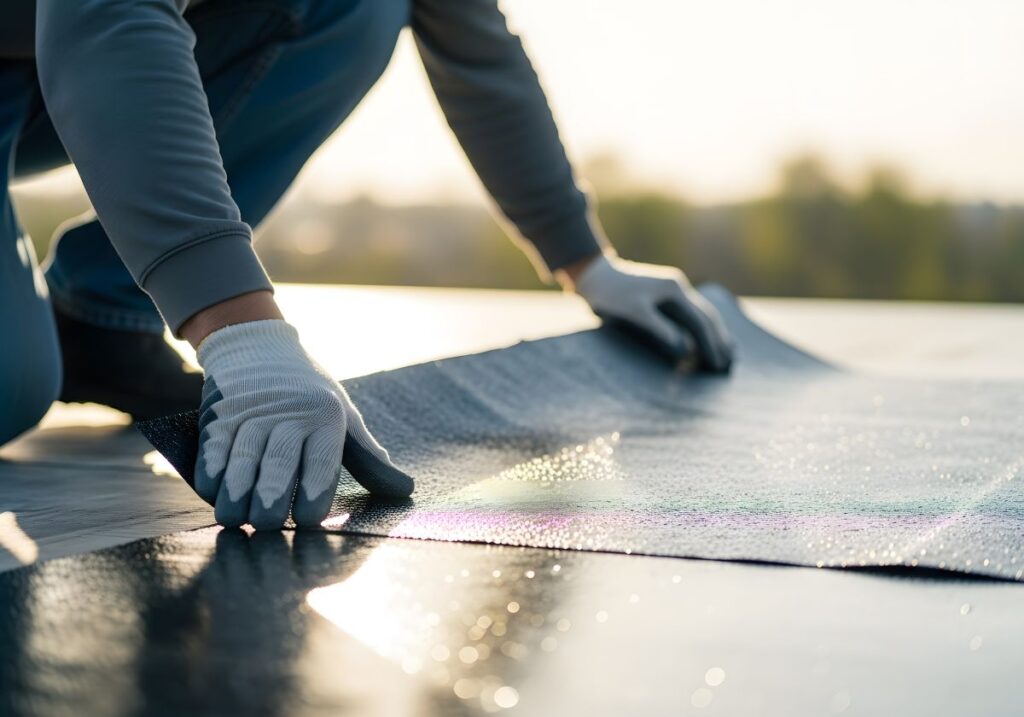
TPO is a popular choice for modern buildings due to its energy-efficient properties and heat-reflective surface.
- Lightweight and flexible
- Reflects UV rays to reduce cooling costs
- Resistant to punctures and algae
- Requires professional installation
5. PVC (Polyvinyl Chloride)
PVC is a high-performance flat roofing membrane that resists moisture, chemicals, and fire.
- Long-lasting (20+ years)
- Highly reflective for energy savings
- Reinforced for durability and foot traffic
- More expensive than TPO or EPDM
6. Spray Polyurethane Foam (SPF)
SPF is a liquid that expands into foam and hardens into a solid, waterproof surface.
- Seamless application eliminates leak points
- Adds insulation value to reduce energy bills
- Requires annual maintenance checks
- Can degrade under UV light without a protective coating
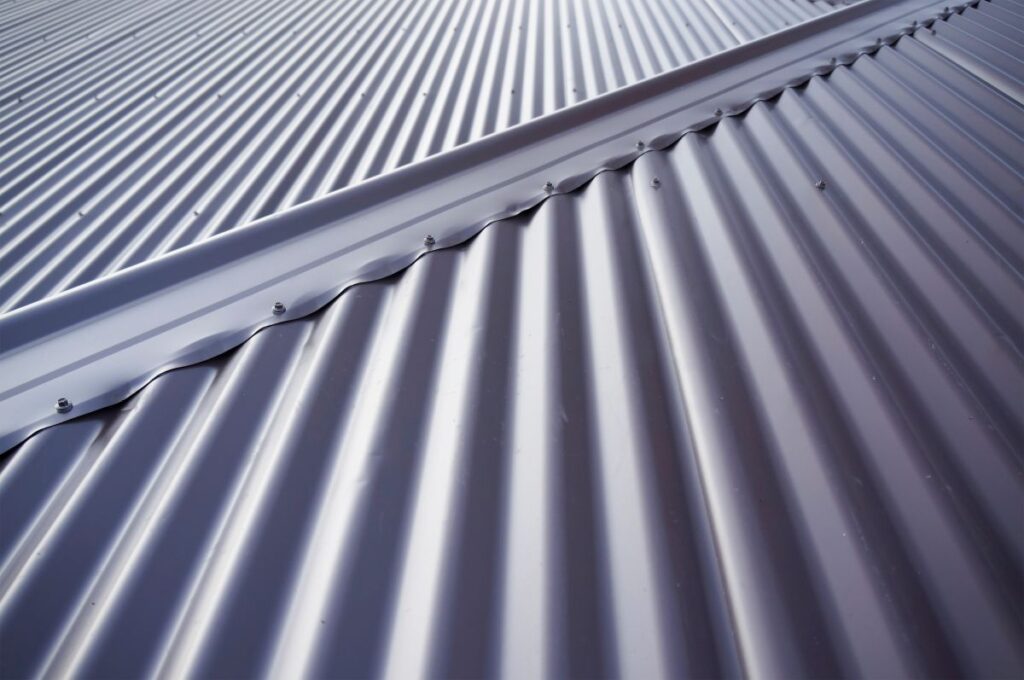
7. Metal Panels (Low Slope Compatible)
While not commonly used on fully flat roofs, metal panels with a slight pitch can work well for low-slope structures.
- Excellent lifespan (30–50 years)
- Resistant to fire, wind, and pests
- May require additional waterproofing on flatter areas
- Higher upfront cost
Additional Factors to Weigh When Choosing Materials
Flat roof materials differ in more than just composition. Consider these key variables before finalizing your selection.
Installation Complexity
- Easy: EPDM, TPO (single-ply)
- Moderate: Modified bitumen, metal
- Complex: BUR, spray foam
Installation time and labor costs can significantly vary depending on the material.
Maintenance Needs
- Low Maintenance: TPO, PVC, metal
- Moderate Maintenance: EPDM, mod-bit
- High Maintenance: BUR, spray foam
St. Petersburg’s warm, storm-prone climate can influence how often maintenance is required.
Roof Slope Compatibility
- Best for Flat/Low-Slope: TPO, PVC, EPDM
- Needs Pitch: Metal panels, to ensure water drainage
Always match the material to your roof’s design for optimal water shedding.
Flat Roof Materials Comparison Table
| Material | Avg Lifespan | Energy Efficient | Installation Cost | Maintenance Level |
| TPO | 15–25 years | Yes | Moderate | Low |
| EPDM | 20–30 years | No (black), Yes (white) | Low | Moderate |
| PVC | 20–30 years | Yes | High | Low |
| Modified Bitumen | 10–20 years | No | Low | Moderate |
| BUR | 20–30 years | Yes (gravel top) | High | High |
| Spray Foam | 20–25 years | Yes | Moderate–High | High |
| Metal Panels | 30–50 years | Yes | High | Low |
Flat Roofing in St. Petersburg and Surrounding Areas
In coastal Florida cities like St. Petersburg and surrounding areas, flat roofs face unique challenges. From salt air corrosion to hurricane-force winds, not every material holds up the same.
- TPO and PVC are often favored for their reflective surfaces and heat tolerance.
- Metal roofing on low slopes is a smart option for wind resistance and longevity.
- Modified bitumen and EPDM are still used in residential flat roofs thanks to affordability and ease of repair.
It’s also important to consider code compliance. Florida building codes often require certain materials and installation standards to ensure roofs can handle severe storms.
If you’re unsure which system fits your home or commercial building, Roofing Pros USA can provide personalized recommendations based on your location and needs.
Final Thoughts & Professional Help
Flat roofs can be reliable, long-lasting, and even stylish—but only when the right materials are chosen and installed correctly. Whether you’re reroofing a small garage in St. Petersburg or managing a large commercial space nearby, the stakes are high.
Understanding the pros, cons, and best use cases for each material empowers you to make a smarter investment. When in doubt, a professional inspection and consultation is the best next step. If your current roof is aging or leaking, the right material could save you thousands over time.
For personalized help selecting or installing the right flat roof system, contact us today to speak with the team at Roofing Pros USA. We’re proud to serve St. Petersburg and surrounding areas with honest evaluations, quality products, and expert craftsmanship.
