
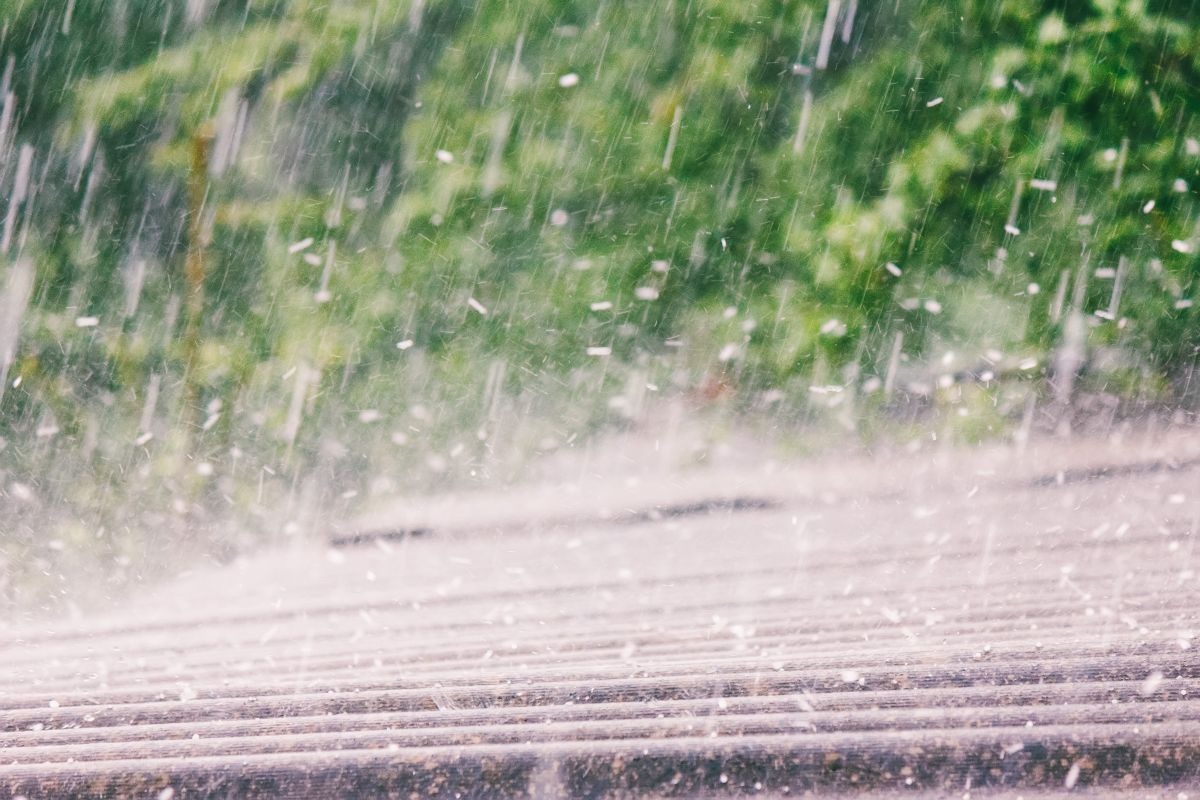
After a powerful Florida storm, homeowners often wonder how much hail damage to replace roof insurance will actually cover. The answer depends on several factors—including shingle condition, roof age, and your policy. Missing or ignoring hail damage can cost you far more than just a few lost shingles. Hail can quietly weaken the entire roofing system, starting with surface impact and eventually reaching layers like flashing or roof decking. Knowing what qualifies for replacement (and what doesn’t) is the key to protecting your investment and avoiding denied claims.
- What types of hail damage lead to full roof replacement
- How insurance companies evaluate storm-related claims
- Signs of damage that warrant a professional inspection
- Steps homeowners should take after a hailstorm
- What to expect from the roof replacement process
Why It’s Important to Understand Hail Damage Thresholds
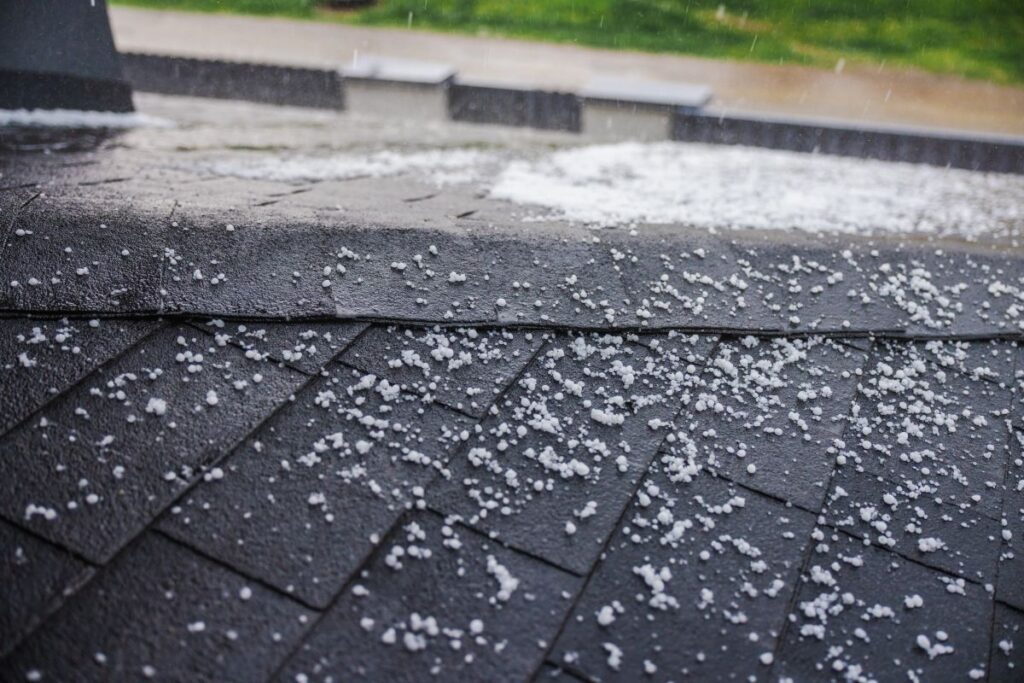
In Ocoee and surrounding areas, hailstorms aren’t just occasional—they’re a seasonal threat. But hail doesn’t have to be massive to do real damage. Understanding what qualifies as replacement-worthy damage is essential for every Florida homeowner.
- Insurance Limitations: Most policies require a specific level of damage before covering a full replacement. Knowing the threshold helps you act within your claim window.
- Preventing Long-Term Damage: Even minor hail impacts can lead to leaks, mold, and structural weakening if left unrepaired.
- Warranties May Be Voided: Many roofing manufacturers void warranties when hail damage goes untreated for too long.
- Visual Clues Aren’t Always Enough: Some hail damage is hidden beneath the surface. Soft spots, bruising, or cracked underlayment may not be visible from the ground.
- Peace of Mind: Understanding what qualifies your roof for replacement can help you make faster, smarter decisions after a storm.
Don’t wait until the next big downpour to find out your roof was compromised. Early detection leads to faster solutions.
6 Signs Hail Damage Might Qualify You for Roof Replacement
When you’re dealing with insurance companies, documentation is everything. Here are the most common indicators that may trigger full roof replacement approval.
1. Widespread Granule Loss
Hail knocks off the protective mineral granules on asphalt shingles, exposing the fiberglass base.
- Appears as dark spots or bald patches
- Granules may collect in gutters or downspouts
- Loss reduces UV resistance and shortens shingle lifespan
Insurers often replace roofs when 20–25% of the shingles are impacted across multiple sections.
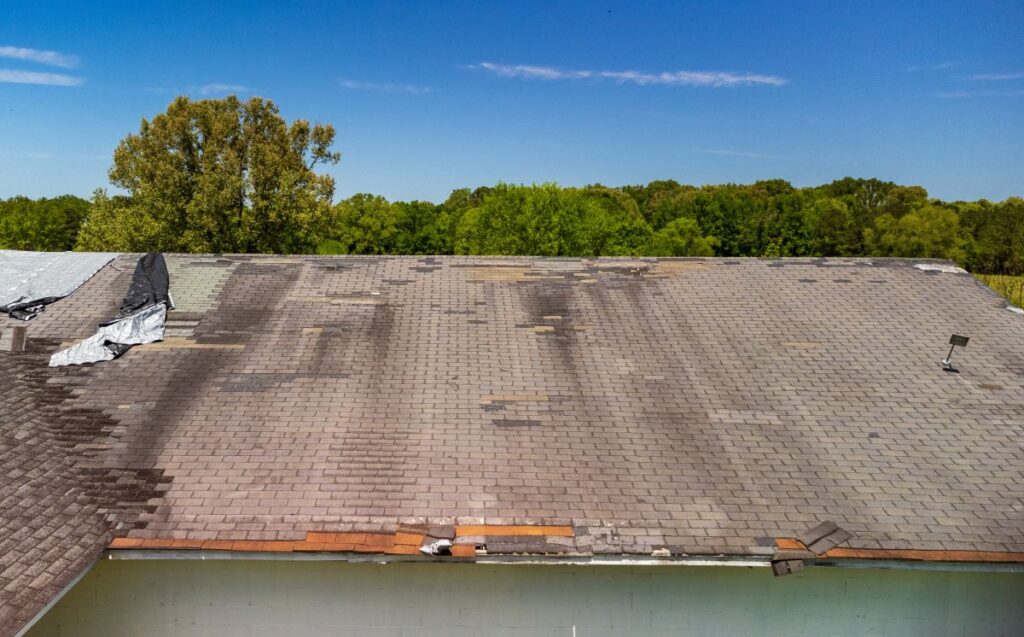
2. Bruised or Soft Shingles
When hail hits, it can cause internal shingle bruising even without visible cracks.
- Pressing gently may reveal spongy or weak areas
- Fiberglass matting beneath the surface may be broken
- Weak spots are more likely to leak later
Insurance adjusters often test random 10×10-foot areas. If a threshold number of bruises is met, full replacement is recommended.
3. Cracked or Split Shingle Tabs
Larger hail can split shingles completely, especially on older roofs.
- Cracks can run horizontally, vertically, or diagonally
- May expose the underlayment or roof decking
- Often worsens with wind uplift
This type of damage usually qualifies as structural compromise and is rarely repairable on a spot basis.
4. Damage to Roof Components
Hail doesn’t just affect shingles. Roof vents, flashing, pipe boots, and skylight frames can also be damaged.
- Look for dents, chips, or broken seals
- Compromised flashing can allow hidden leaks
- Insurance providers often consider total roof system damage
If both roofing material and components are affected, replacement is more likely to be approved.
5. Damage on Multiple Roof Planes
Insurance adjusters look at all four sides of the roof. When multiple slopes show hail strikes, the damage is considered more systemic.
- Uniform hail damage across more than one slope increases claim validity
- Spot repairs on multiple planes are often more expensive than full replacement
- May also indicate wind-driven hail, which increases the severity of impact
6. Age and Condition of the Roof
The age of your roof influences whether repair or replacement is appropriate.
- Older shingles are more brittle and prone to cracking from hail
- Insurers may prefer full replacement rather than mixing old and new material
- A 10+ year-old roof with moderate hail damage is often replaced
You’ll still need an inspection to confirm—but a professional can document age-related factors as well.
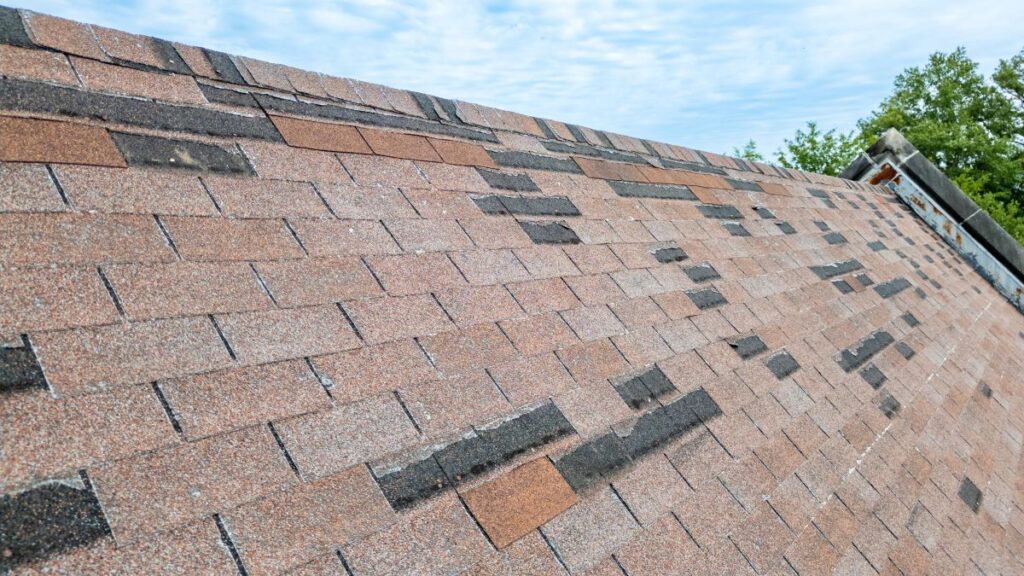
What Insurance Companies Consider Before Approving a Replacement
Every homeowner hopes insurance will step in after a storm—but approval isn’t automatic. Here’s how insurance providers typically evaluate roof damage after hail.
Extent of Damage
- How much of the roof has damage?
- Are the impacted areas scattered or concentrated?
- Adjusters often inspect several 10×10 sections per slope
Material Type
- Asphalt shingles are easier to evaluate than tile or metal
- Some materials show hail damage more clearly than others
Documentation
- Was the storm documented in your area (date, size of hail)?
- Do you have photo evidence from before and after the storm?
Previous Repairs or Claims
- If your roof had prior storm damage, insurers might consider it pre-existing
- Past patch jobs may lower your claim eligibility
Local Building Codes
- In some cases, code upgrades may require full replacement (e.g., underlayment rules)
- If 25% or more of the roof needs work, some municipalities require entire re-roofing for compliance
Understanding these standards can help you better prepare and work with your contractor to build a solid case.
What to Do After a Hailstorm Hits
Timing is everything when dealing with potential hail damage. Here’s what you should do after any storm in Ocoee and surrounding areas.
Inspect the Ground Around Your Property
- Look for loose shingles, granules, or broken flashing
- Check siding, cars, and gutters for signs of hail
Document the Storm
- Take photos of hailstones (if safe) and record the date
- Keep news articles or weather alerts for your records
Schedule a Professional Roof Inspection
- Roofing Pros USA offers thorough storm damage evaluations
- We check for both visible and hidden signs of hail damage
- You’ll receive documentation for insurance or peace of mind
Contact Your Insurance Provider
- Report your claim as soon as possible
- Most policies require filing within 1 year (sometimes less)
- Submit your inspection report, photos, and any cost estimates
Avoid Storm Chasers
- Out-of-town contractors often show up after storms
- Stick with licensed, local professionals who understand your building codes and can follow up if needed
Repair vs Replacement: What’s the Threshold?
Depending on your situation, you might be offered a repair instead of full replacement. Here’s how the two compare:
| Factor | Repair | Full Replacement |
| Scope of Damage | Isolated sections | Multiple slopes or components |
| Roof Age | Under 5 years | 10+ years |
| Insurance Coverage | Partial payout | Full coverage (minus deductible) |
| Long-Term Performance | Short-term fix | 20–30 year lifespan |
| Resale Value | May decrease | Maintains or improves value |
Always get a second opinion if your insurer offers only partial coverage, especially if visible damage exists across several areas.
Common Myths About Hail Damage and Roof Replacement
There’s a lot of misinformation out there about what qualifies as “enough” hail damage. Let’s clear it up.
Myth 1: If My Roof Doesn’t Leak, It’s Fine
Leaks can take weeks or months to appear. Waiting until water enters your home can lead to higher repair bills and denied claims.
Myth 2: The Hail Wasn’t That Big, So There’s No Damage
Even pea-sized hail can damage older or brittle shingles. Damage depends on wind speed, angle, and roofing material—not just size.
Myth 3: I Can Wait a Few Months to Get It Checked
Florida’s climate can turn small roof issues into major ones quickly. Insurance claims may also be denied if you wait too long.
Myth 4: I Can Just Patch the Damaged Areas
Spot repairs often fail to blend or seal properly. If damage exists on more than one slope, full replacement is often more cost-effective.
Need Help Deciding If Your Roof Qualifies for Replacement?
Hail damage doesn’t always look catastrophic—but it can still create serious problems beneath the surface. If you’ve experienced recent storms in Ocoee and surrounding areas, don’t wait until you see a leak or interior damage to take action.
Roofing Pros USA offers full storm damage inspections, insurance documentation, and honest advice about your next steps. We’ve helped countless homeowners get the repairs and replacements they need—with clear communication and no high-pressure tactics.
To schedule your inspection or storm damage assessment, contact us today at Roofing Pros USA.
