
Understanding how to measure a roof for shingles is essential for homeowners planning a roofing project. Accurately measuring your roof ensures you purchase the right amount of materials, avoid costly mistakes, and communicate effectively with contractors. Whether you’re preparing for a do-it-yourself installation or seeking professional help, knowing this skill can save you time and money. If you need assistance with any part of your roofing project, you can learn more about expert options on our residential roofing services page.
Whether you’re planning a full replacement or addressing isolated damage, our local roofing professionals in Miami are ready to help you move forward with confidence and precision.
- Why accurate roof measurements matter for shingles
- Step-by-step process to measure your roof safely and precisely
- Tips for converting square footage to roofing materials
- Common pitfalls to avoid when calculating roofing needs
- How professional guidance can make a difference in your roofing project
Why Measuring Your Roof for Shingles Is Critical
Measuring your roof is one of the first and most important steps in any roofing project involving shingle replacement or installation. Without precise measurements, you risk ordering too much or too little material, which leads to waste or project delays. Additionally, correct dimensions help contractors provide accurate estimates and ensure your roof is covered properly to maximize efficiency and durability.
If your roof already shows signs of wear or damage, reviewing average roof repair cost can help you budget accurately before moving forward.
- Cost Control: Accurate measurements help prevent overspending on excess shingles or costly last-minute orders.
- Project Efficiency: Knowing exact roof dimensions speeds up installation by reducing downtime waiting for additional materials.
- Material Planning: Helps determine the number of shingles, underlayment, and other supplies needed for a complete installation.
- Safety Consideration: Proper measuring techniques minimize the need for unnecessary roof trips, reducing fall risks.
- Communication: Precise figures enable clearer discussions with roofing professionals and suppliers.
6 Steps to Measure a Roof for Shingles
Following a structured approach to measuring your roof will maximize accuracy and safety. Here is a seven-step process every homeowner should consider when measuring a roof for shingles:
Step 1: Gather Essential Tools
Before you climb onto your roof or start your measurements, ensure you have the right tools. A tape measure, a sturdy ladder, measuring wheel, graph paper, pencil, and a calculator will be invaluable. For safety, wear non-slip shoes and consider using a helper.
- Safety Gear: Helmet, gloves, and appropriate footwear
- Measurement Tools: 25-foot tape measure or measuring wheel
- Recording Materials: Graph paper and pencil or a digital device
Step 2: Sketch Your Roof
Draw a basic outline of your roof to scale on graph paper. Include all sections such as main slopes, dormers, and skylights. A rough sketch helps visualize and organize your measuring process, especially for complex roofs.
Step 3: Measure the Roof’s Length and Width
Use your tape measure to determine the length and width of each roof section. Make sure to measure vertically along the roof slope rather than the horizontal footprint to get the roofing surface area.
- Tip: Measure from the eaves (bottom edge) to the ridge (top peak)
- Include: Every plane of the roof separately if you have multiple slopes
Step 4: Calculate the Roof Pitch
The roof pitch affects the overall surface area. To calculate it, measure how many inches the roof rises vertically over a 12-inch horizontal run. You can use a pitch gauge or a simple level and tape measure for this measurement. Always add about 10–15% extra for waste and cuts. Understanding material quantity also helps you estimate your overall project investment, especially when comparing options like asphalt shingles versus metal roofing, which we break down in our guide on cost of metal roof vs shingle.
- Formula: (Rise ÷ 12) = Pitch ratio
- Common pitch examples: 4/12, 6/12, 8/12
Step 5: Adjust Measurements for Roof Pitch
Flat measurements don’t account for the roof’s slope. Use the pitch multiplier to convert flat measurement into actual surface area. The multiplier depends on the pitch ratio. For example, a 4/12 pitch corresponds to a multiplier of approximately 1.054.
- Pitch Multiplier: Use an online chart or calculator for accurate factors
- Calculation: Roof area = length × width × pitch multiplier
Step 6: Calculate Total Roofing Squares
Roofing materials are typically sold by “squares,” where one square equals 100 square feet of roofing area. Divide your total adjusted roof area by 100 to determine how many squares of shingles you need to purchase. Always add about 10-15% extra for waste and cuts.
- Waste Factor: Extra shingles to cover mistakes and complex cuts
- Final Estimate: (Total roof area × 1.15) ÷ 100 = Roofing squares needed
Additional Tips for Accurate Roofing Measurements
Measuring a roof accurately requires a bit of know-how beyond the basic steps. Small details can make a big difference in materials estimation, timelines, and overall project quality.
Using Technology for Precision
Digital measuring tools and drone technology are increasingly popular for aerial roof measurements. These can provide highly accurate roof dimensions without the risks of climbing ladders.
Double-Checking Measurements
Always cross-verify your measurements by taking multiple readings, especially on larger or complex roofs, to minimize errors.
Understanding Roofing Terminology
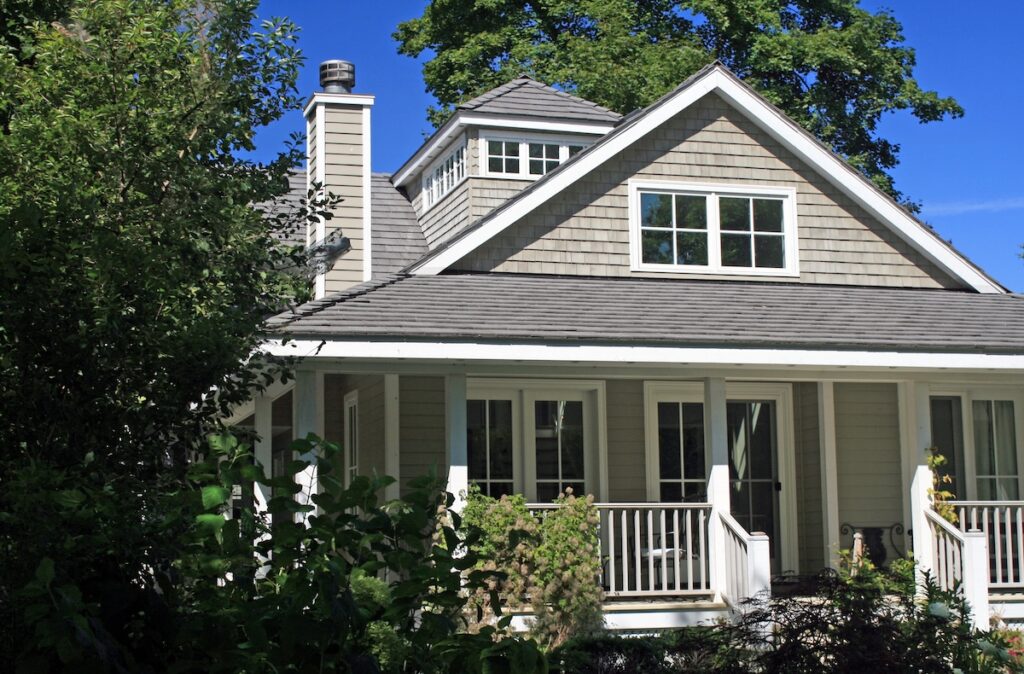
Terms like ridge, valley, eaves, and rake have specific meanings in roofing and affect how measurements are applied. Familiarize yourself with these to improve accuracy and communication with contractors.
Material Selection Impact
Different types of shingles may require different amounts or add weight load to your roof, influencing your measurement precision and installation strategy.
Common Challenges When Measuring Roofs for Shingles
Despite careful efforts, homeowners and even some contractors face frequent hurdles measuring their roofs for shingles. Recognizing these challenges helps in planning solutions ahead of time.
| Challenge | Explanation | Solution |
| Complex Roof Shapes | Multiple slopes, dormers, and hips complicate area measurements. | Break down into sections and measure each individually before summing up. |
| Unsafe Access | Steep or damaged roofs can be hazardous to climb. | Consider professional inspection or use drone technology for measurements. |
| Incorrect Pitch Calculation | Misjudging the roof slope affects surface area and material amount. | Use pitch calculators or consult roofing experts for verification. |
| Ignoring Waste Factor | Not including extra shingles for cuts leads to shortages. | Always add 10-15% extra to your final materials order. |
| Measurement Errors | Rushing or inaccurate tool use can cause flawed data. | Take multiple measurements and verify accuracy before ordering. |
Frequently Asked Questions About Roof Measurements
Here are some frequently asked questions from homeowners about measuring roofs for shingles that clarify common concerns.
How often should I remeasure my roof?
If you are planning a new roofing project or suspect damage, measure before every project. Otherwise, for maintenance, the current measurements are usually sufficient.
Can I measure the roof area from the ground?
Estimations can be made from the ground using satellite imagery or by measuring the home’s footprint, but these are less accurate than direct measurements or aerial methods.
Is it necessary to measure the pitch of the roof?
Yes, because the roof pitch affects the actual surface area and thus how many shingles are needed. Neglecting this leads to miscalculations.
Can I do this myself or should I hire a professional?
While homeowners can measure simple roofs using this guide, complex or high-pitched roofs should involve roofing professionals to ensure safety and accuracy.
What if I order too many or too few shingles?
Ordering too many shingles results in waste but can be returned if unopened. Too few shingles cause project delays and potential damage during the waiting period for more materials.
Get Started on Your Roofing Project Today
Measuring your roof accurately is the foundation for a successful shingle installation or replacement. With the right tools, careful planning, and attention to detail, you can confidently calculate your roofing needs. Should you require assistance or professional expertise at any stage of your roofing project, Roofing Pros is ready to help. Contact us today to ensure your roofing job is done right the first time. Our roofing specialists proudly assist homeowners throughout the Tampa Bay area, including St. Petersburg, providing accurate roof assessments and expert guidance for shingle replacement projects of all sizes.
Homeowners looking for professional support in Central Florida can rely on our experienced roofing team in Orlando to ensure measurements, materials, and installation are handled correctly from start to finish.
