
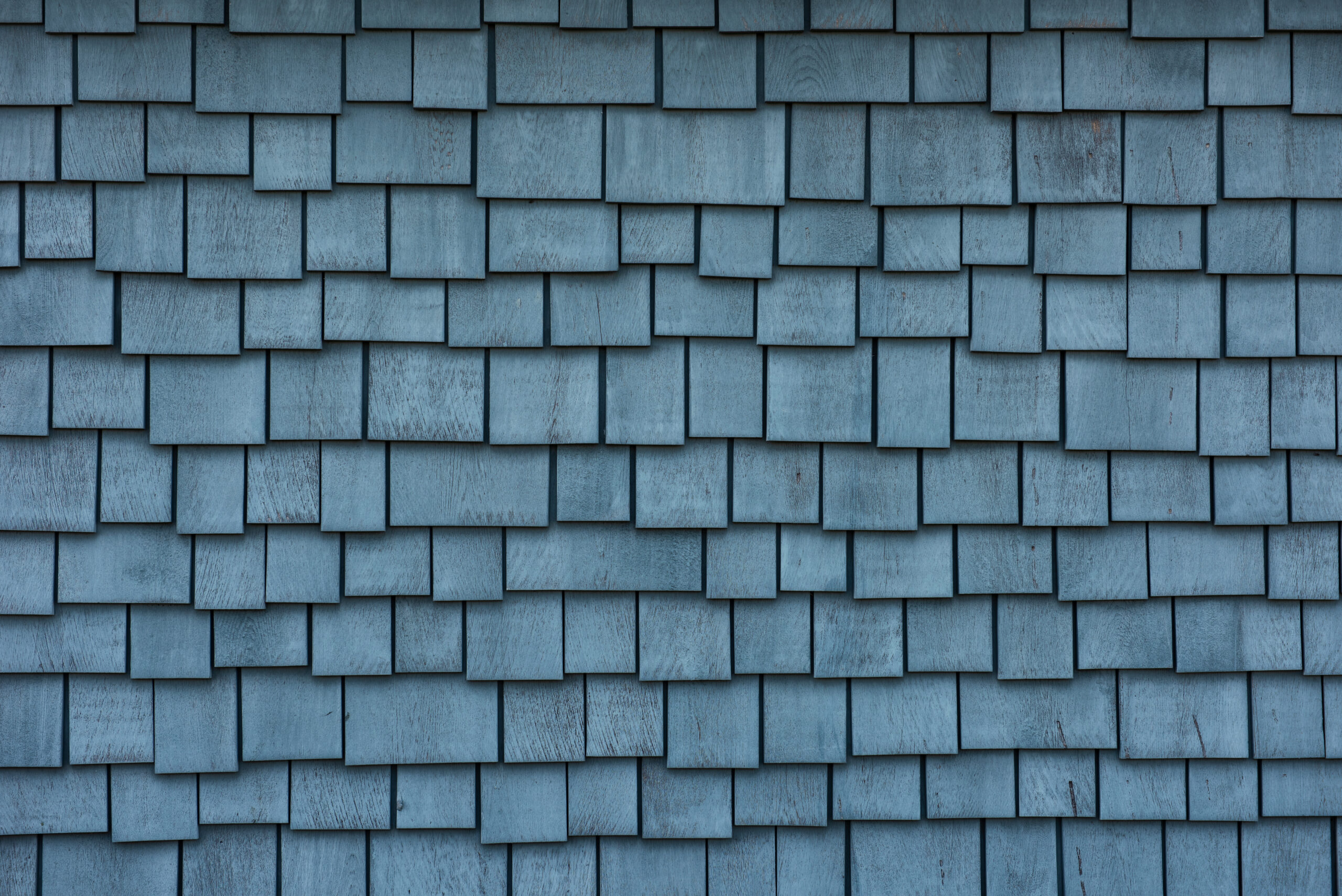
When it comes to maintaining your home’s structure and curb appeal, having properly installed and flat roof shingles is essential. If your new roof shingles not laying flat has become a concern, you are not alone. This problem impacts both the visual appeal of your property and the effectiveness of your roofing system in protecting against weather. Fortunately, understanding why shingles don’t lay flat and learning the fixes can save you from costly repairs down the road. If you want expert assistance on roofing installation and repairs, consider checking out professional residential roofing services available in your area.
- Common reasons for new shingles not lying properly
- How to identify and fix shingles that bulge or curl
- Best practices for maintaining your roof’s longevity
- When to call a professional roofer for help
Understanding the Importance of Properly Laid Shingles
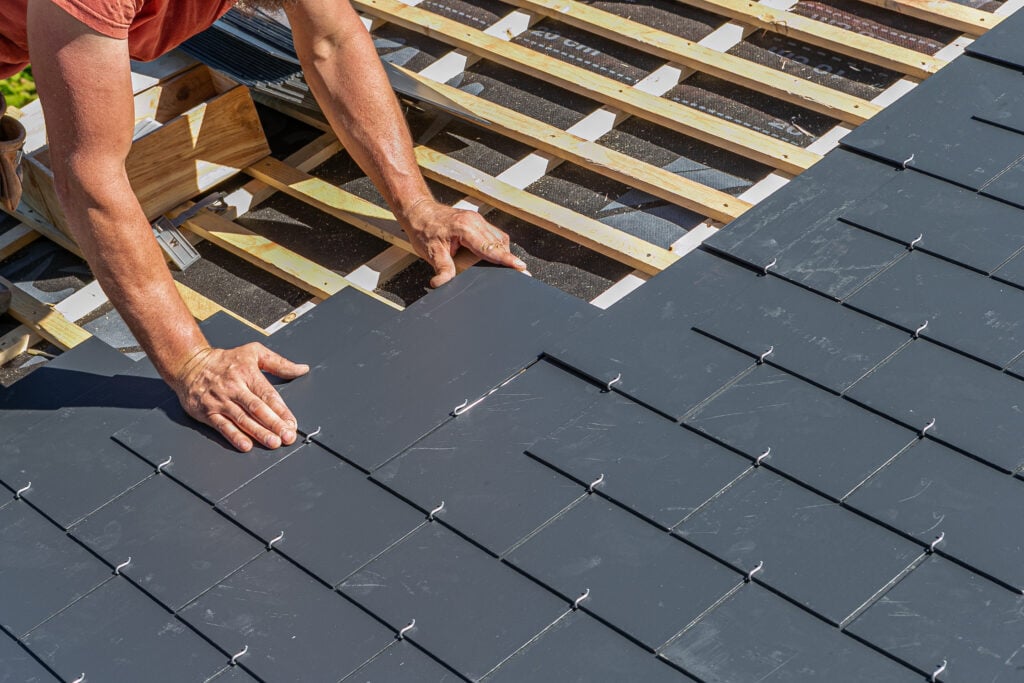
Shingles are the frontline defense against the elements, shielding your home from rain, snow, and wind. When shingles fail to lay flat, they can allow moisture to seep under the roofing system, leading to leaks and structural damage. Furthermore, uneven shingles can diminish your property’s aesthetic value and may also reduce the efficacy of the roofing warranty.
- Protection: Flat shingles ensure an effective barrier against the weather.
- Durability: Properly laid shingles withstand weather fluctuations better and last longer.
- Appearance: Flat shingles maintain a clean, uniform roof look.
- Cost Savings: Avoid expensive repairs by addressing laying issues early.
- Warranty Compliance: Warranties often require correct installation to be valid.
6 Common Causes of New Roof Shingles Not Laying Flat
Identifying the root cause of your shingles that are not lying flat is the first step toward a solution. Here are seven primary reasons this issue might be occurring:
1. Improper Nailing
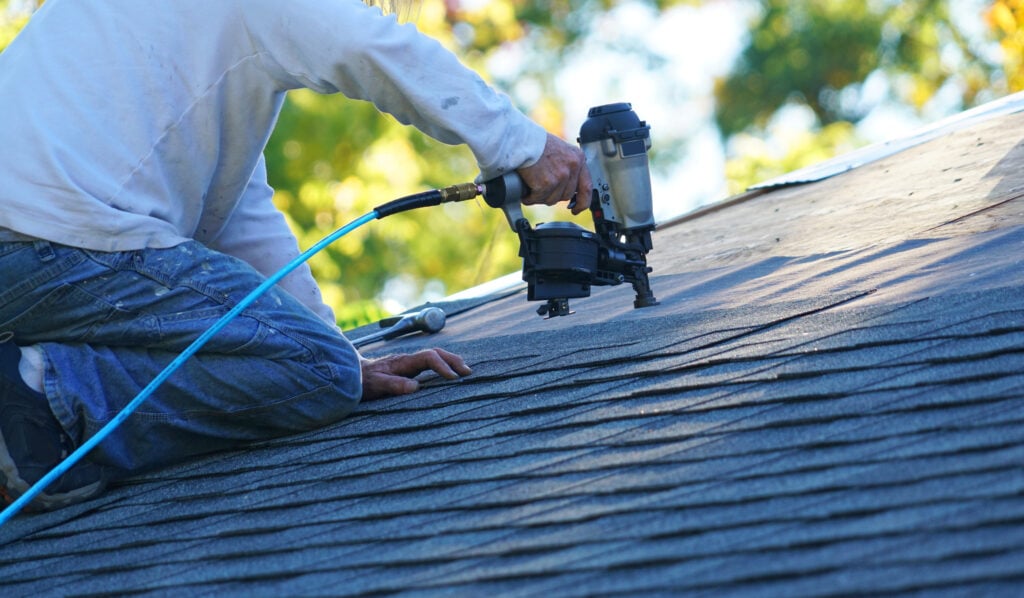
If shingles are nailed too high, too low, or in the wrong location, they may buckle or lift. Nails driven too deeply can also deform shingles, preventing a smooth surface.
- Nail Placement: Must be in the designated nailing zone.
- Nail Depth: Should be flush with shingle surface but not indented.
2. Poor Roof Decking
Uneven or warped roof decking can cause the shingles to appear uneven or bubble up after installation. The structural surface beneath shingles needs to be flat and rigid to support correct placement.
3. Extreme Weather Conditions During Installation
Installing shingles in hot, cold, or overly humid conditions can affect their flexibility. Some shingles may not properly seal down flat if the temperature is too low or the adhesive doesn’t activate in cooler weather.
4. Shingle Quality Issues
Lower-quality shingles might not have the necessary materials to lay flat or bond properly. Defects in manufacturing can also cause warping or curling.
5. Insufficient Roof Ventilation
Inadequate ventilation causes heat and moisture to build up beneath shingles, which can lead to buckling, curling, and blistering over time.
6. Moisture Problems
High moisture in the attic or beneath the roof surface can cause shingles to warp or buckle. Excess moisture also accelerates roof deck deterioration.
Fixing Shingles That Don’t Lay Flat: Best Solutions
Once you know the cause of your shingles not laying flat, the appropriate fix can be applied. Here are effective ways to address and correct this common issue:
1. Re-nail or Add Roofing Nails
Shingles that are lifted due to improper nailing can sometimes be flattened by driving corrected nails into the proper zones, ensuring nails are flush but not overdriven.
2. Replace Damaged or Warped Shingles
If certain shingles are defective or have warped post-installation, removal and replacement with quality shingles ensures a flat, durable surface.
3. Improve Roof Ventilation
Boost attic ventilation by installing additional vents or ridge vents to improve airflow and prevent heat/moisture buildup that causes shingles to lift.
4. Ensure Proper Installation Timing
Schedule roofing work during recommended temperature ranges and weather conditions to allow adhesive seals to activate correctly.
5. Repair or Replace Roof Decking
Before re-shingling, inspect and fix any uneven or damaged decking to provide the smooth support needed for flat shingles.
6. Use Roof Cement for Minor Lifts
For small areas where shingles slightly lift, roofing cement or adhesive can secure edges to the roof and prevent further elevation.
7. Professional Roof Inspection
When in doubt, a thorough inspection by a qualified roofer can diagnose underlying problems and recommend the right fixes for long-lasting results.
Additional Insights on Maintaining Your Roof’s Flat Shingles
Beyond installation, regular maintenance is crucial to keep your shingles laying flat and extend roof life. Here are some tips and practices to uphold roof integrity:
- Routine Inspections: Schedule inspections after severe weather or annually to catch any early signs of shingle issues.
- Gutter Cleaning: Keep gutters clear to prevent water back-up that can damage shingles or decking.
- Trim Overhanging Branches: Prevent debris from accumulating on shingles and causing damage or lifts.
- Address Moss/Algae Growth: Use gentle cleaning methods to remove growth that can deteriorate shingles.
- Monitor Attic Conditions: Ensure proper ventilation and check for signs of moisture or heat build-up regularly.
Frequently Asked Questions About Flat and Even Roof Shingles
Here are the core questions we get when it comes to flat and even roofing shingles
Can new shingles correct themselves if they’re not flat at first?
Some minor lifting may settle as adhesive strips activate with warmer weather. However, pronounced buckling likely requires repair or replacement.
How long after installation should shingles lay flat?
Generally, shingles should lay flat immediately or within a few days, depending on temperature and adhesive activation.
Is it normal for shingles to curl after a few years?
Gradual curling is common due to aging, but severe curling on a new roof indicates a problem that needs addressing.
Can DIY methods fix lifted shingles?
Minor fixes like applying roofing cement work, but extensive lifting or multiple problem areas require professional evaluation.
What types of shingles are less likely to have laying issues?
Architectural or laminated shingles often perform better than basic three-tab varieties in terms of laying flat and durability.
Ensuring Your Roof Is Smooth and Secure
Your roofing system is an essential element of your home’s safety and aesthetics. Addressing the issue of new roof shingles not laying flat promptly can prevent water damage and costly repairs. Roofing Pros understands the importance of high-quality installation and maintenance for lasting results. If you notice issues with your shingles or want expert guidance, don’t hesitate to contact us today for a professional assessment and service tailored to your roofing needs in Houston and surrounding areas.
