
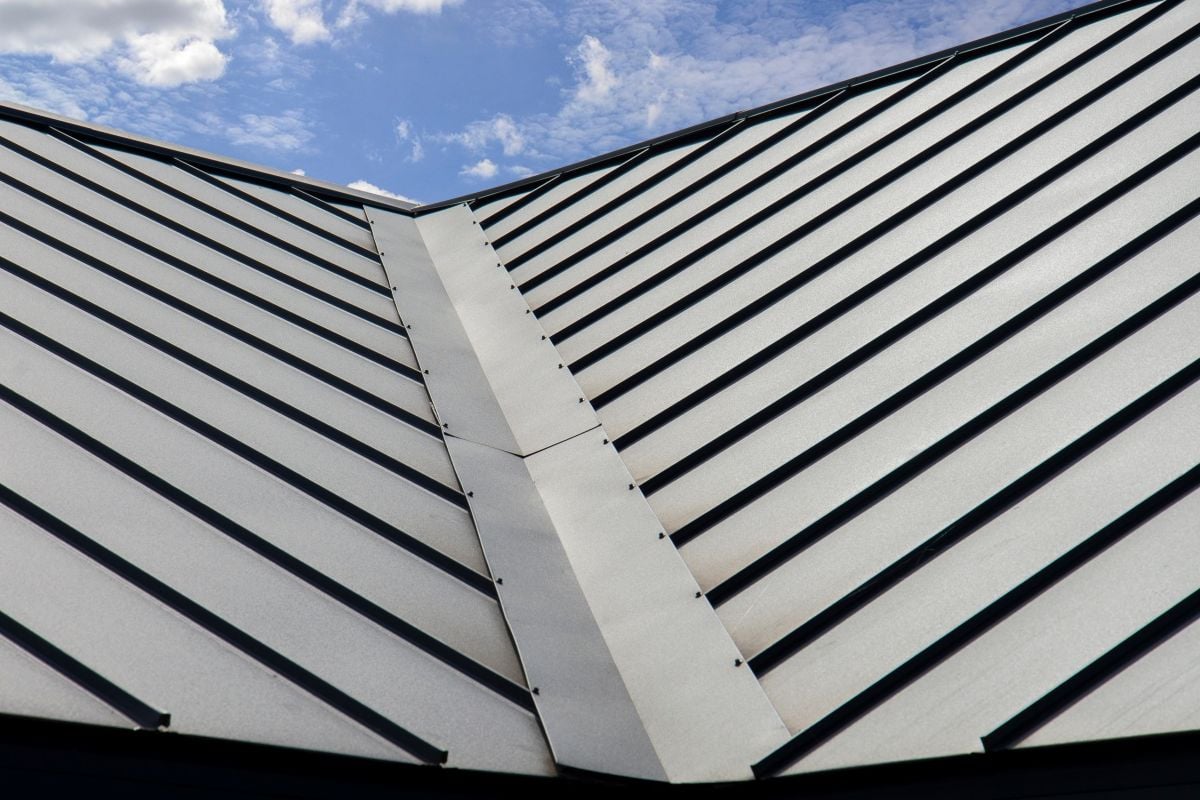
When it’s time to replace your roof, a lot of homeowners wonder whether upgrading to a standing seam metal roof is really worth it. Known for their sleek design and long lifespan, these roofs are growing in popularity across Wellington and surrounding areas. If you’re exploring your options, it helps to understand both the strengths and potential drawbacks before investing. You can also learn more about roofing options by exploring how roof decking affects performance and installation.
Here’s what this guide will cover:
- Key advantages of standing seam metal roofing
- Common concerns or limitations
- A step-by-step breakdown of how installation works
- Long-term maintenance and care
- Tips on when to repair vs replace
Why So Many Homeowners Are Switching to Standing Seam Metal Roofs
Compared to asphalt shingles or traditional metal panels, standing seam roofs offer a combination of performance and visual appeal that stands out. Here’s why they’re becoming a top choice.
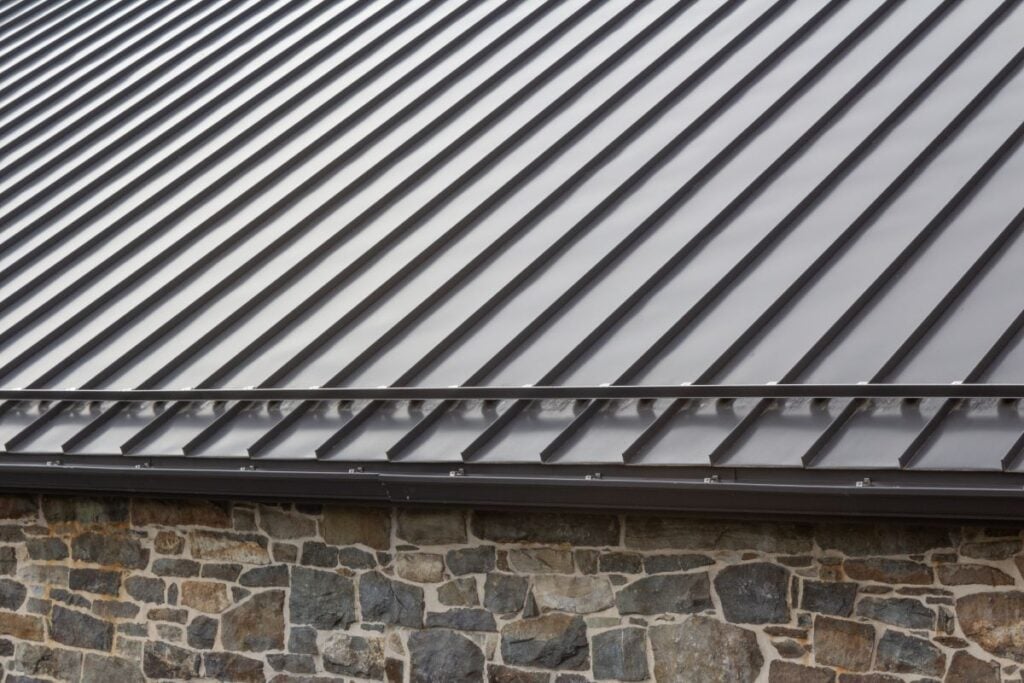
- Sleek Modern Appearance: These roofs have hidden fasteners and clean vertical lines, which give homes a modern, high-end look.
- Superior Weather Resistance: Their interlocking panels and raised seams provide strong protection against rain, snow, and high winds.
- Energy Efficiency: Metal reflects solar radiant heat, which can help reduce your cooling costs—especially important in Florida’s climate.
- Exceptional Longevity: With proper installation and maintenance, standing seam systems can last 40–70 years.
- Low Maintenance: Unlike shingles that can curl or crack, metal panels resist warping and often require fewer repairs over time.
5 Key Pros & Cons of Standing Seam Metal Roofs
Understanding the pros and cons of standing seam roofing will help you decide if it’s the right fit for your home in Wellington and surrounding areas.
1. Sleek Design and Curb Appeal
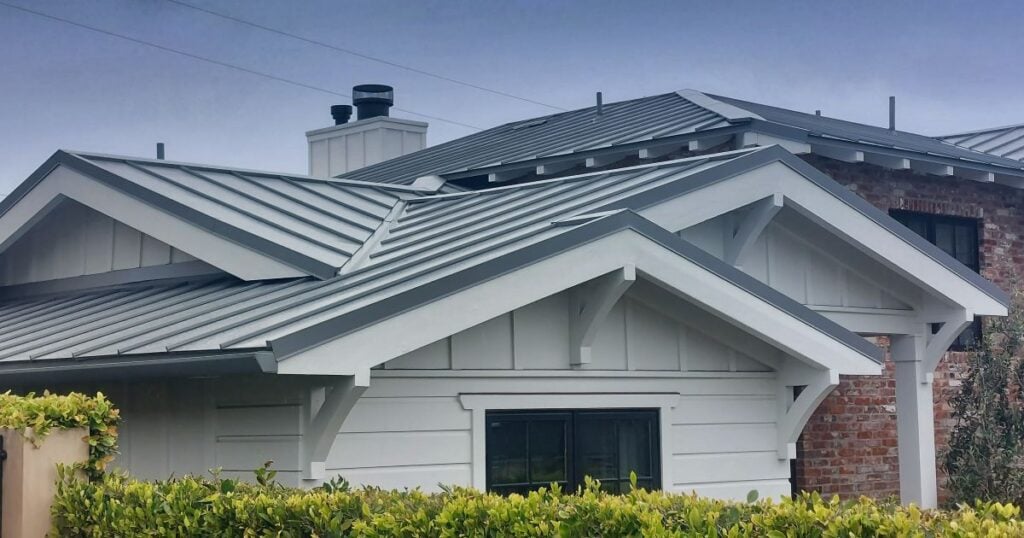
Standing seam roofs are popular with modern and contemporary home styles, but they also complement classic architecture thanks to their streamlined look.
- Available in a wide range of colors and finishes
- Can increase resale value due to curb appeal
2. High Upfront Cost
While they offer long-term savings, metal roofing typically costs more to install than asphalt shingles.
- Average installation ranges from $10 to $20 per square foot
- May require additional prep work, such as decking adjustments
3. Excellent Durability
Metal roofs stand up well against Florida storms, UV rays, and fire exposure. They’re even rated for hurricane-force winds when installed correctly.
- Raised seams prevent water intrusion
- No exposed fasteners means fewer leak points
4. Noise During Heavy Rainfall
If not properly insulated, metal roofs can be louder than other types during rain or hailstorms. However, this can be mitigated with underlayment upgrades.
- Consider foam or acoustic underlayment for quieter performance
- Attic insulation also plays a key role in sound control
5. Limited DIY Options
Because installation requires specialized tools and experience, standing seam roofs are not ideal for DIY. A poorly installed roof can lead to leaks or warranty voids.
- Professional installation is highly recommended
- Not all contractors specialize in standing seam systems
What Happens During a Standing Seam Metal Roof Installation?
If you’re moving forward with this upgrade, here’s what the process typically involves:
Step 1: Inspection and Measurements
Your contractor will inspect your existing roof and take precise measurements to fabricate custom panels.
- Identify areas needing repair or reinforcement
- Evaluate roof pitch and overhangs
Step 2: Remove Old Roofing (if needed)
Depending on the condition of your current roof, the old shingles or panels may need to be completely removed.
- This gives better access to the decking
- Helps ensure proper fastening and alignment
Step 3: Install Underlayment
High-quality underlayment is essential for moisture control and noise reduction.
- Synthetic underlayment offers better durability
- Ice and water shield may be used in valleys or near eaves
Step 4: Panel Fabrication and Installation
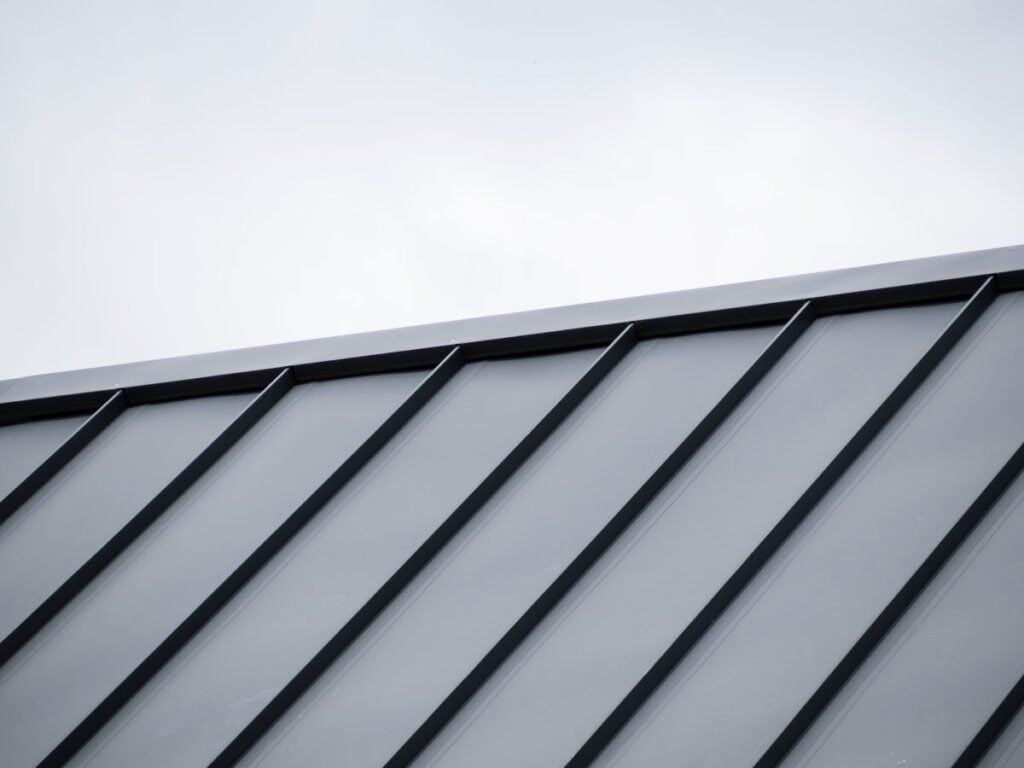
Panels are cut to length and mechanically fastened to the roof deck. Each seam is raised and locked into the next panel for a watertight fit.
- Panels often run from ridge to eave for full coverage
- Hidden fasteners preserve aesthetic and performance
Step 5: Flashing and Final Details
The final step includes flashing around chimneys, skylights, and edges to prevent leaks.
- Ridge caps and trims are added for a finished look
- Thorough cleanup ensures safety and satisfaction
Long-Term Care Tips for Metal Roofing
A standing seam metal roof doesn’t require as much upkeep as traditional materials, but you can still extend its life with proper care.
- Inspect Annually: Look for dents, lifted panels, or damaged flashing after storms.
- Keep It Clean: Remove debris like leaves and branches that can trap moisture.
- Maintain Gutters: Clogged gutters can lead to overflow and water damage near the roofline.
- Avoid Harsh Chemicals: Use gentle cleaners or hire professionals if power washing is needed.
- Check Sealants: Areas with caulked joints should be checked every few years to prevent water intrusion.
Standing Seam vs Other Roofing Options
Wondering how a standing seam system compares to other popular materials in Wellington and surrounding areas? Here’s a quick look.
| Feature | Standing Seam Metal | Asphalt Shingles | Tile Roof |
| Lifespan | 40–70 years | 15–30 years | 30–50 years |
| Wind & Weather Resistance | Excellent | Moderate | Good |
| Maintenance | Low | Moderate | Moderate |
| Appearance | Modern & sleek | Traditional | Mediterranean |
| Upfront Cost | Higher | Lower | High |
As the table shows, metal roofing is an investment—but one that pays off in durability, aesthetics, and energy savings.
When Should You Replace Instead of Repair?
Not all issues call for a full replacement, but standing seam roofs are often best handled by professionals when major damage is present.
Replace if:
- More than 25% of panels are dented, rusted, or detached
- The roof was improperly installed or has persistent leaks
- The current system is 40+ years old and failing
Repair may be enough if:
- A few panels are loose or have cosmetic damage
- Flashing or sealant issues are isolated
- The roof is relatively new and under warranty
Talk with a local contractor to weigh the cost of patching vs replacing. In places like Wellington and surrounding areas, harsh coastal weather can make proactive replacement more cost-effective in the long run.
Ready to Upgrade Your Roof?
A standing seam metal roof can offer decades of worry-free protection, strong energy efficiency, and sleek curb appeal—but only if installed correctly. If you’re thinking about upgrading or want to compare your current options, Roofing Pros USA can help. Our experienced Florida roofing team serves Wellington and surrounding areas with top-quality materials and expert craftsmanship. To get started, contact us today and request a free quote or roof evaluation.
