
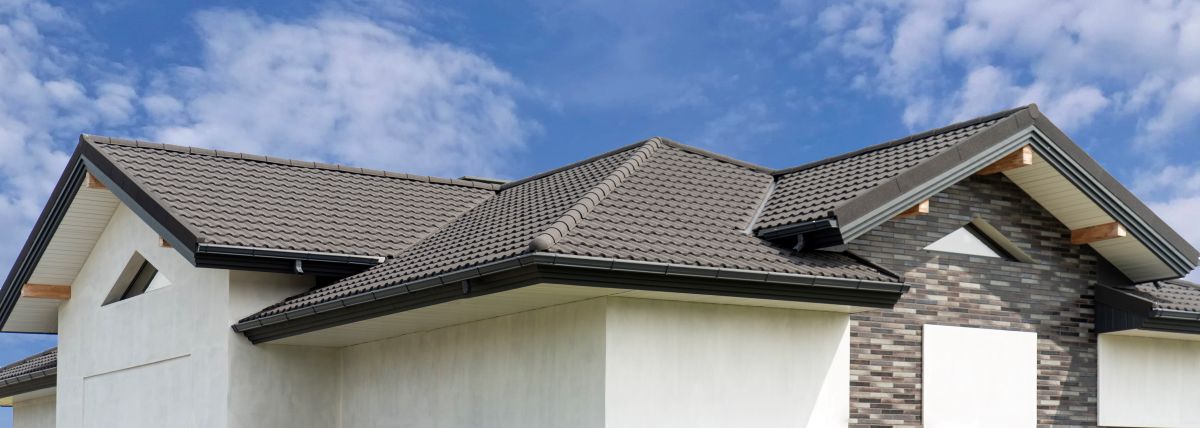
Many homeowners don’t think about their roof’s trim until something goes wrong—but understanding what is fascia on a house is crucial for keeping your roofline strong and weatherproof. This often-overlooked component plays a key role in both structural support and overall curb appeal. From holding gutters in place to sealing off the roof’s edge, fascia boards are more than just decorative trim. When inspecting your home’s exterior, it’s worth paying attention to areas like roof decking or gutter connections where fascia is most active.
- What fascia is and where it’s located on your home
- Why fascia boards matter for roof performance
- Signs of damage and when replacement is needed
- Common materials used for fascia in 2025
- How fascia works with other parts of your roofing system
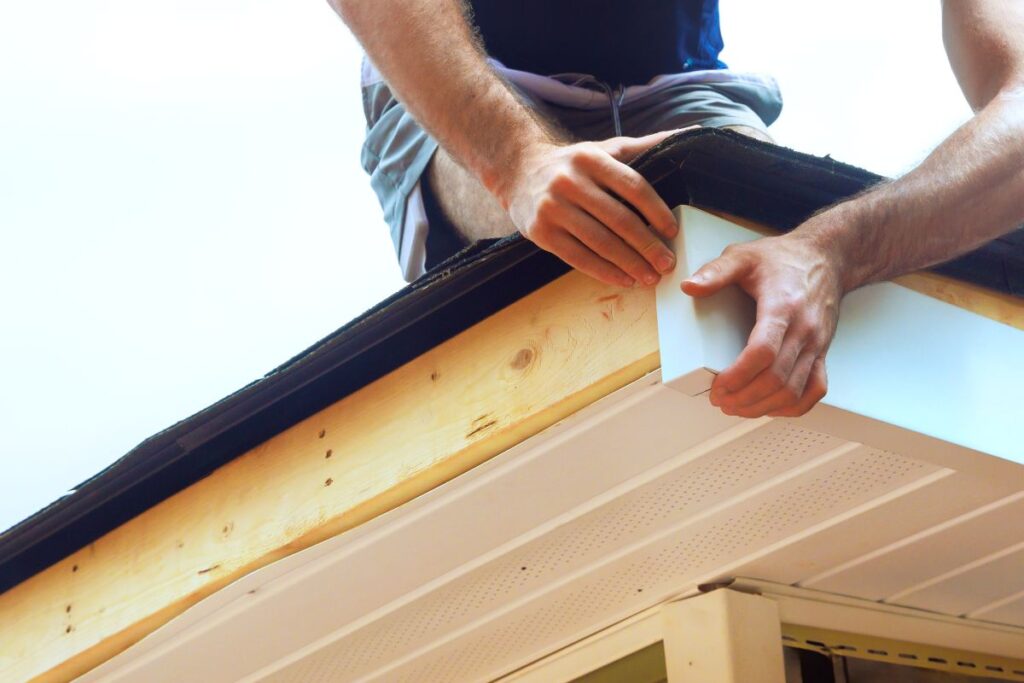
Why Fascia Boards Matter More Than You Think
Fascia might seem like a finishing touch, but it serves multiple practical purposes. In Apopka and surrounding areas, where homes face strong winds, high humidity, and occasional storms, fascia boards play a vital role in protecting your home from structural damage.
- Supports Your Gutter System: Fascia boards act as a mounting point for gutters. Without solid fascia, gutters can sag, leak, or even fall off.
- Prevents Moisture Intrusion: Fascia helps block water from entering the edges of your roof where decking meets rafters.
- Keeps Pests Out: A sealed fascia board line helps prevent rodents, birds, and insects from entering the attic through exposed gaps.
- Improves Roof Stability: It helps anchor the lower edge of your roof and keeps the soffit securely in place.
- Adds Visual Appeal: Fascia gives your roof a clean, finished edge that frames the entire structure.
When fascia boards are damaged, it’s often a sign of bigger problems. Catching early signs of wear can prevent moisture damage from spreading to your attic or roof deck.
5 Key Questions About Fascia on a House
Let’s walk through some essential information to help you better understand this critical part of your home’s exterior.
1. What Is Fascia on a House?
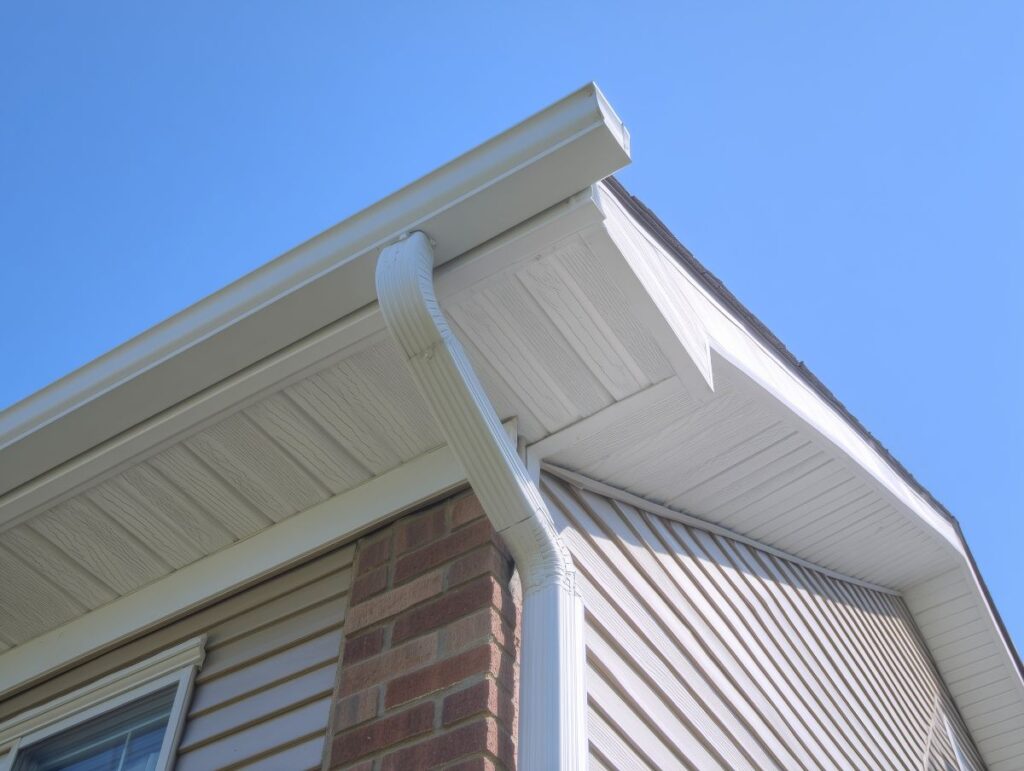
Fascia is the long horizontal board located along the lower edge of your roof. It’s usually installed where the roof meets the outer walls of the home.
- Runs along the edge of the roofline
- Positioned just behind the gutter system
- Typically made of wood, PVC, composite, or aluminum-wrapped materials
It connects the ends of roof rafters or trusses and provides a smooth, protective surface between the roof and the outside elements.
2. What’s the Difference Between Fascia and Soffit?
These two components work together but serve different functions.
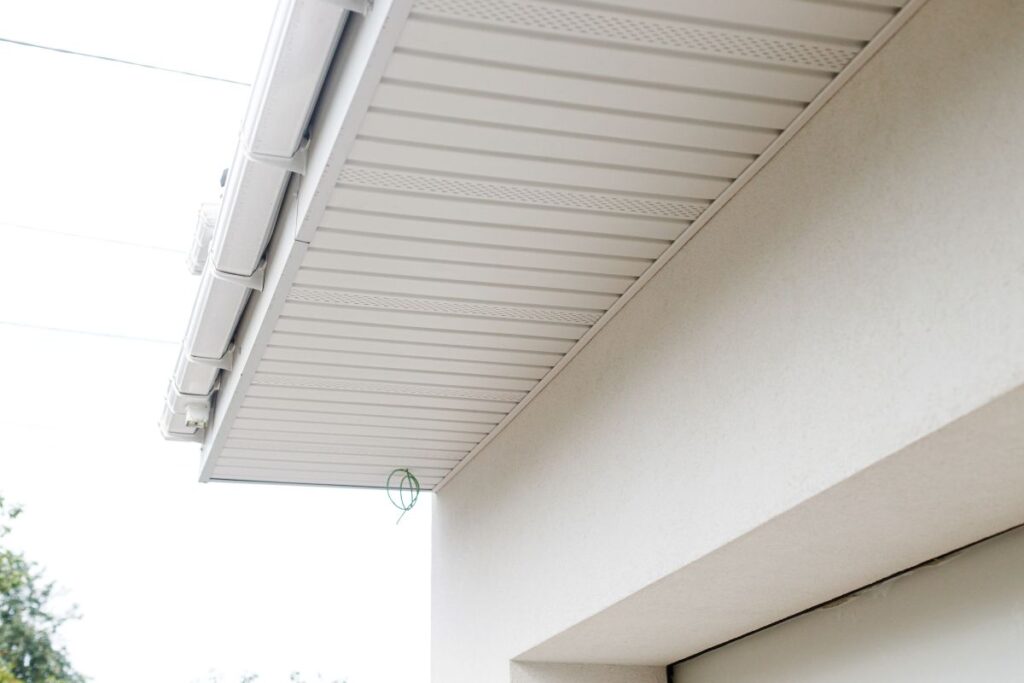
- Fascia is vertical and runs along the roof edge
- Soffit is horizontal and sits underneath the roof overhang
- Fascia is visible from the front, while soffit is visible from underneath
Both help ventilate the attic, seal off roof gaps, and complete the structure’s appearance.
3. What Materials Are Fascia Boards Made From?
Today’s fascia boards are made from several materials, each with pros and cons.
- Wood: Common, affordable, but prone to rot if not sealed properly
- PVC (Vinyl): Lightweight, rot-resistant, easy to install
- Composite: Engineered to last longer and resist weather damage
- Aluminum-Wrapped Wood: Combines strength and water resistance
- Fiber Cement: Durable but heavy and more expensive
In humid climates like Apopka and surrounding areas, low-maintenance materials like PVC or aluminum are often the most practical.
4. What Causes Fascia Board Damage?
Fascia boards are exposed to weather, water, and pests. Over time, even well-installed fascia can suffer damage.
- Clogged Gutters: Overflowing water rots wood fascia and attracts insects
- Leaking Roof: Moisture dripping behind gutters weakens boards
- Improper Installation: Gaps or cracks allow water penetration
- Age: Paint wears down, nails rust, and boards eventually warp or split
Regular roof inspections can catch early signs of damage and save you from more costly repairs later.
5. How Can I Tell If My Fascia Needs Replacement?
There are several red flags to look out for:
- Soft or spongy wood near the roofline
- Sagging or detached gutters
- Visible mold or mildew on the fascia
- Paint peeling or bubbling
- Pest activity near soffits or attic vents
Any of these signs should prompt a call to a roofing professional for inspection.
What Happens During Fascia Replacement?
If your fascia board needs to be replaced, it’s typically part of a larger roof or gutter service. Here’s what that process involves:
Assessment and Inspection
- Roofers examine the fascia for visible damage
- Check gutter stability and soffit connection
- Inspect roof decking at the edges
Removal of Old Fascia
- Gutters are detached or supported temporarily
- Damaged fascia boards are unscrewed or pried off
- Any rotted roof deck edges are repaired
Installation of New Fascia Material
- New boards are cut to fit and fastened securely
- Seams are sealed or caulked
- Painted or capped for weather protection
Reinstallation of Gutters and Soffits
- Gutter brackets are reattached
- Soffits are checked for vent blockage
- Final inspection ensures alignment and weather sealing
The entire job can take a few hours or a full day depending on how much material is being replaced.
Fascia Board Material Comparison
Not sure which type of fascia is right for your home in Apopka and surrounding areas? Here’s a side-by-side look at the most common options:
| Material | Durability | Maintenance | Cost | Ideal For |
| Wood | 10–15 years | Needs sealing/paint | $ | Budget installs, painted homes |
| PVC (Vinyl) | 20–30 years | Very low | $$ | Coastal or humid areas |
| Composite | 25–30 years | Low | $$$ | Homes with minimal upkeep |
| Aluminum-Wrapped | 20–40 years | Very low | $$ | Rain-heavy regions |
| Fiber Cement | 30–50 years | Low | $$$$ | High-end or custom homes |
Choosing the right fascia often depends on your budget, climate, and whether you want to match other trim or siding materials.
Fascia and Gutter Systems: Why They Work Together
It’s hard to talk about fascia without mentioning gutters. These systems rely on each other for proper function.
Fascia Supports the Gutters
Without solid fascia boards, there’s no stable surface to anchor gutters.
- Gutters are fastened directly into the fascia board
- Weak or rotted boards can cause gutters to sag or pull away
Gutters Protect Fascia from Water
Properly installed gutters direct water away from the fascia.
- Prevents constant exposure to runoff
- Reduces risk of rot and mold
- Helps avoid ice dams in colder climates
Signs Your Gutters May Be Harming Your Fascia
- Water stains behind the gutter line
- Constant overflowing during storms
- Nails pulling loose or fascia bowing
If both systems are aging, it’s often smart to replace them together.
Why Proper Fascia Care Is a Smart Investment
While fascia might not be as visible as your roof shingles or siding, it plays a critical role in keeping your home sealed and stable.
- Boosts Resale Value: A clean roofline and secure gutters add to your home’s curb appeal
- Reduces Long-Term Damage: Fascia repairs are far cheaper than major roof or attic restoration
- Completes the Look of Your Roof: Especially when color-matched to trim and soffits
- Pairs with Ventilation: Fascia works alongside soffits to maintain attic airflow and reduce mold risks
In areas like Apopka and surrounding areas, where rainstorms can be intense and unpredictable, maintaining your fascia is part of smart year-round home care.
Ready to Replace or Repair Fascia on Your Home?
Fascia boards are often the first line of defense against roof edge damage, water infiltration, and gutter instability. If you’ve noticed signs of rot, mold, or gutter issues, it’s time to take action.
At Roofing Pros USA, we help homeowners in Apopka and surrounding areas protect their homes with expert fascia repairs, replacements, and full exterior upgrades. Whether your fascia is wood, vinyl, or composite, our team has the experience and tools to install it correctly—and ensure it stays protected for years to come.
To request an inspection or learn more about your fascia options, contact us today at Roofing Pros USA.
