
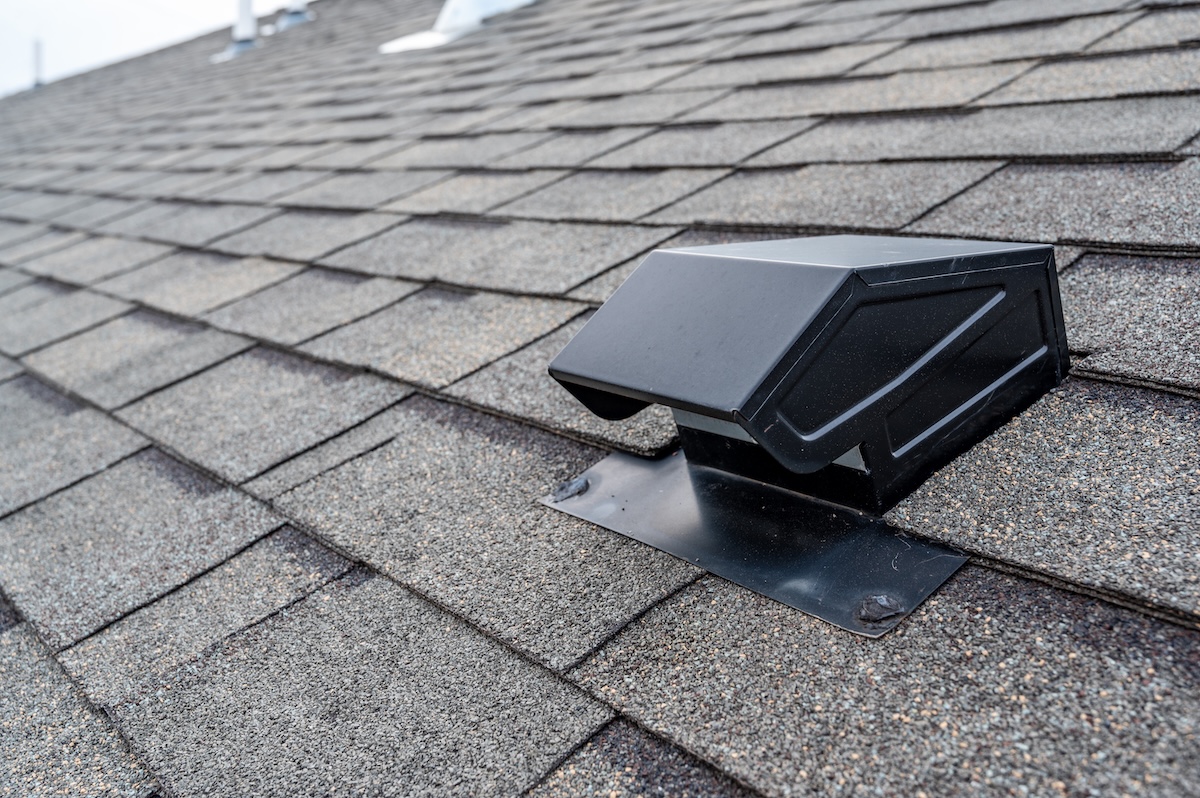
Your roof does more than just protect your home from the elements. It’s a complex system that includes various components working together to keep your home safe, comfortable, and energy-efficient. One crucial component that many homeowners overlook is the roof vent. These small but mighty fixtures play a vital role in maintaining your home’s health and extending your roof’s lifespan.
Understanding roof vents can help you make informed decisions about your roofing system and potentially save thousands of dollars in repairs and energy costs. This comprehensive guide will explore everything you need to know about roof vents, including:
- What roof vents are and why they’re essential
- Different types and materials available
- Key benefits of installing quality roof vents
- Signs you might need ventilation improvements
🤔 What Is a Roof Vent and Why Do You Need One?
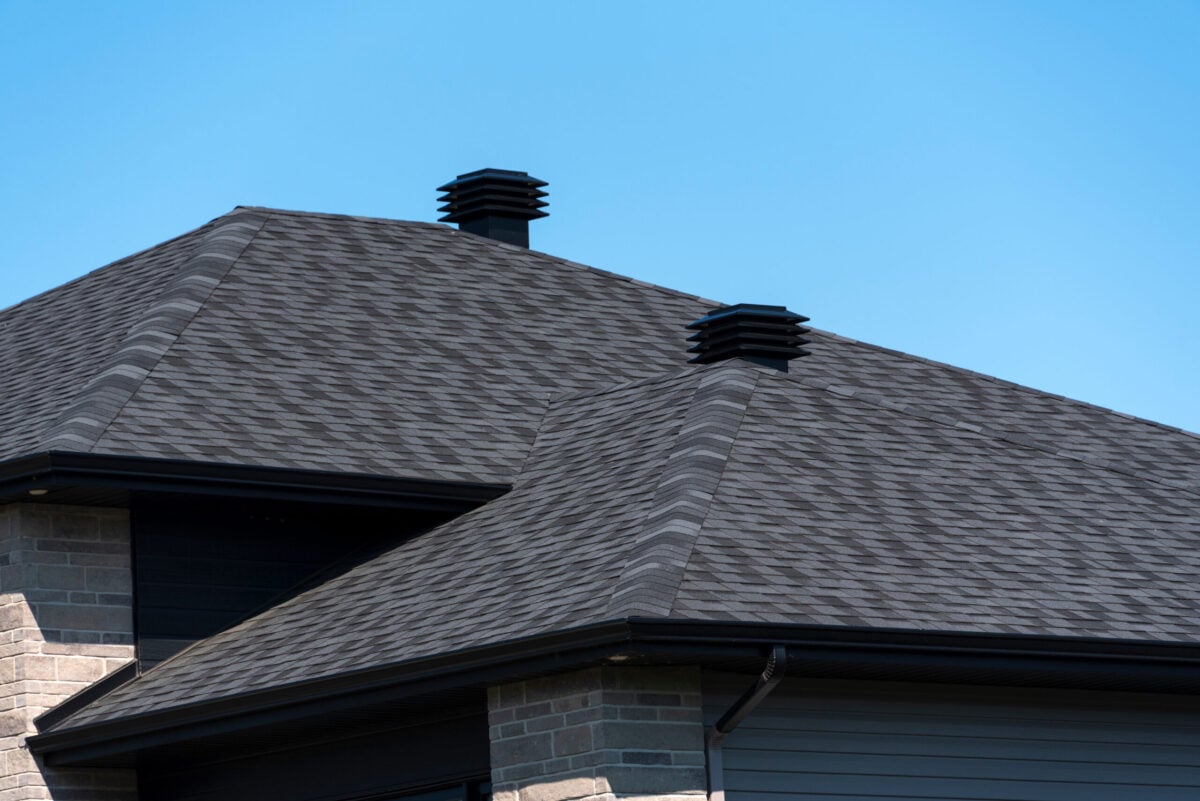
A roof vent is a specially designed opening in your roof that allows air to flow in and out of your attic space. These vents work as part of a balanced ventilation system that regulates temperature and moisture levels in your home’s upper areas.
Roof vents serve several critical functions. They prevent moisture buildup that can lead to mold, mildew, and wood rot. During hot summer months, they help expel superheated air from your attic, reducing the strain on your air conditioning system. In winter, proper ventilation prevents ice dams by maintaining consistent roof temperatures.
Without adequate roof ventilation, your home faces numerous problems. Excess heat can cause shingles to deteriorate prematurely, leading to costly roof replacements. Trapped moisture creates the perfect environment for mold growth, which can affect your family’s health and require expensive remediation. Poor ventilation also forces your HVAC system to work harder, resulting in higher energy bills and more frequent repairs.
Types and Materials of Roof Vents
Roof vents come in various styles and materials, each designed to meet specific needs and aesthetic preferences. Understanding your options helps you choose the most appropriate ventilation solution for your home.
- Aluminum vents: Lightweight, corrosion-resistant, and affordable. They won’t rust, withstand harsh weather for decades, and come in various colors to match your roof.
- Steel vents: Durable and strong, ideal for extreme weather. Galvanized steel resists rust but may weather in coastal areas. Costs more than aluminum but lasts longer.
- Plastic and vinyl vents: Budget-friendly and corrosion-resistant but prone to brittleness from UV exposure and temperature changes, requiring more frequent replacements.
- Copper vents: Premium option with long-lasting durability. Develops a patina over time, adds character to high-end homes, and requires minimal maintenance but is the most expensive choice.
✅ 7 Key Benefits of Roof Vents
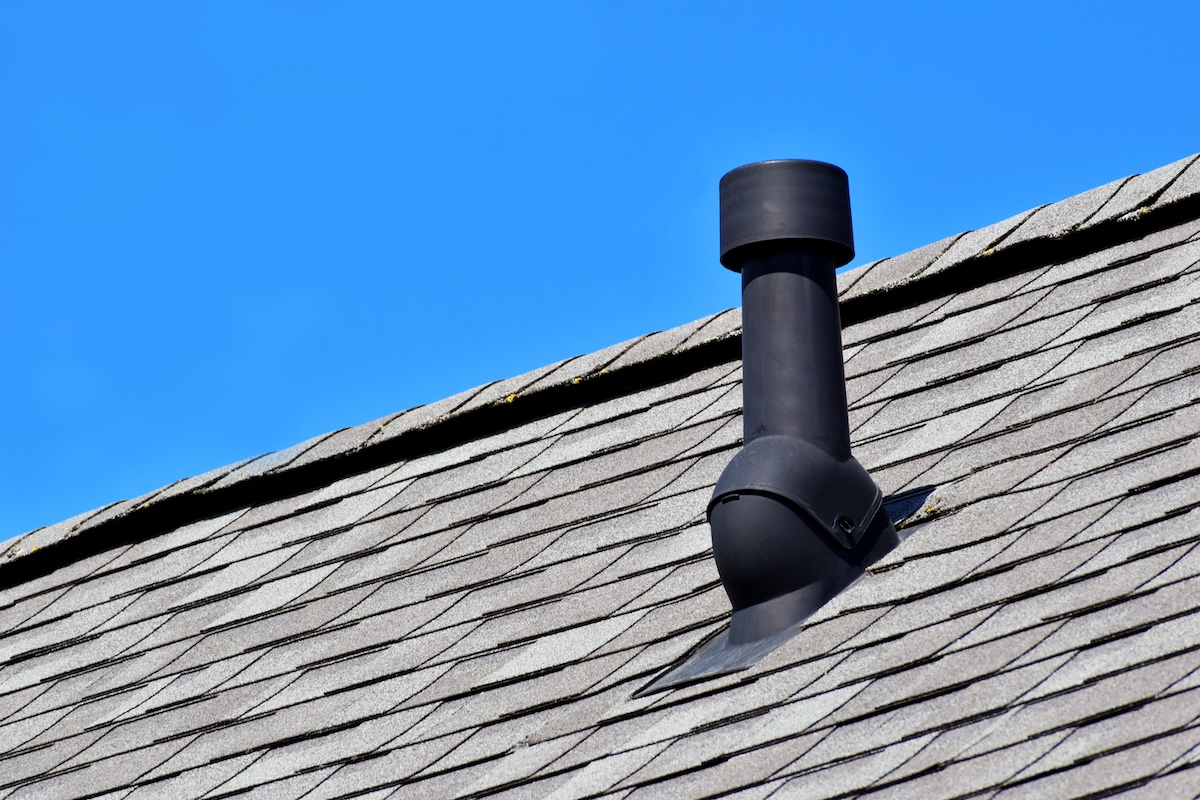
Roof vents are essential for maintaining proper airflow in your home, helping to regulate temperature and prevent moisture buildup. They protect your roof from damage over time and improve energy efficiency, saving you money on heating and cooling.
1. Reduced Energy Costs
Proper roof ventilation can significantly lower your cooling costs during summer months. By removing superheated air from your attic, vents reduce the thermal load on your air conditioning system. Studies show that effective attic ventilation can reduce cooling costs by 10-15% in hot climates.
2. Extended Roof Lifespan
Roof vents help prevent the extreme heat buildup that can cause shingles to deteriorate prematurely. Excessive attic temperatures can reach 150°F or higher, causing shingles to crack, curl, and lose granules. Proper ventilation keeps attic temperatures closer to outside air temperature, helping your roof last longer.
3. Ice Dam Prevention
During winter, roof vents help maintain consistent roof temperatures that prevent ice dams from forming. Ice dams occur when snow melts on the warm upper portion of your roof and refreezes at the cooler eaves. This ice can back up under shingles and cause water damage inside your home.
4. Moisture Control
Effective ventilation removes excess moisture from your attic space, preventing condensation that can lead to mold growth, wood rot, and insulation damage. Bathrooms, kitchens, and laundry rooms generate significant moisture that can migrate into attic spaces without proper ventilation.
5. Improved Indoor Air Quality
By preventing mold and mildew growth in your attic, roof vents contribute to better air quality throughout your home. Mold spores can circulate through your HVAC system and affect your family’s health, particularly for those with allergies or respiratory conditions.
6. Enhanced Comfort
Proper attic ventilation helps maintain more consistent temperatures throughout your home. Without adequate ventilation, heat radiating from a superheated attic can make upper floors uncomfortably warm, even with air conditioning running.
7. Preserved Insulation Effectiveness
Excess moisture and extreme temperatures can reduce insulation performance. Wet insulation loses much of its thermal resistance, while excessive heat can cause some insulation types to settle or degrade. Roof vents help maintain optimal conditions for insulation performance.
⚠️ Signs You Need Better Roof Ventilation
Recognizing the warning signs of inadequate roof ventilation can help you address problems before they cause serious damage to your home. Many ventilation issues develop gradually, making them easy to overlook until significant problems occur.
High Energy Bills
High energy bills often indicate ventilation problems. If your cooling costs have increased without explanation, poor attic ventilation might be forcing your air conditioning system to work harder. Similarly, if upper floors remain uncomfortably warm despite adequate air conditioning, trapped attic heat may be radiating through your ceiling.
Ice Dams During Winter
Ice dams clearly signal ventilation issues. These ridge-like ice formations along your roof’s edge occur when heat escapes into your attic, melting snow that refreezes at the cooler eaves. Ice dams can cause significant water damage and indicate that your ventilation system isn’t maintaining proper attic temperatures.
Moisture Problems in Your Attic
Moisture problems in your attic suggest inadequate air circulation. Look for condensation on rafters, wet insulation, or frost buildup during cold weather. These conditions create perfect environments for mold growth and wood rot that can compromise your home’s structural integrity.
Premature Shingle Deterioration
Premature shingle deterioration may indicate excessive attic heat. Curling, cracking, or granule loss on relatively new shingles often results from extreme temperature fluctuations in poorly ventilated attics. Dark streaks on your roof might also indicate algae growth encouraged by excess moisture.
Musty Odors in Your Home
Musty odors in your home, particularly on upper floors, can indicate mold or mildew growth in your attic space. These odors often worsen during humid weather when inadequate ventilation allows moisture to accumulate.
Temperature Differences Between Floors
Temperature differences between floors may signal ventilation problems. If your second floor is consistently warmer than your main level, trapped attic heat might be radiating downward through inadequate ventilation.
🛠️ Installation and Maintenance Considerations
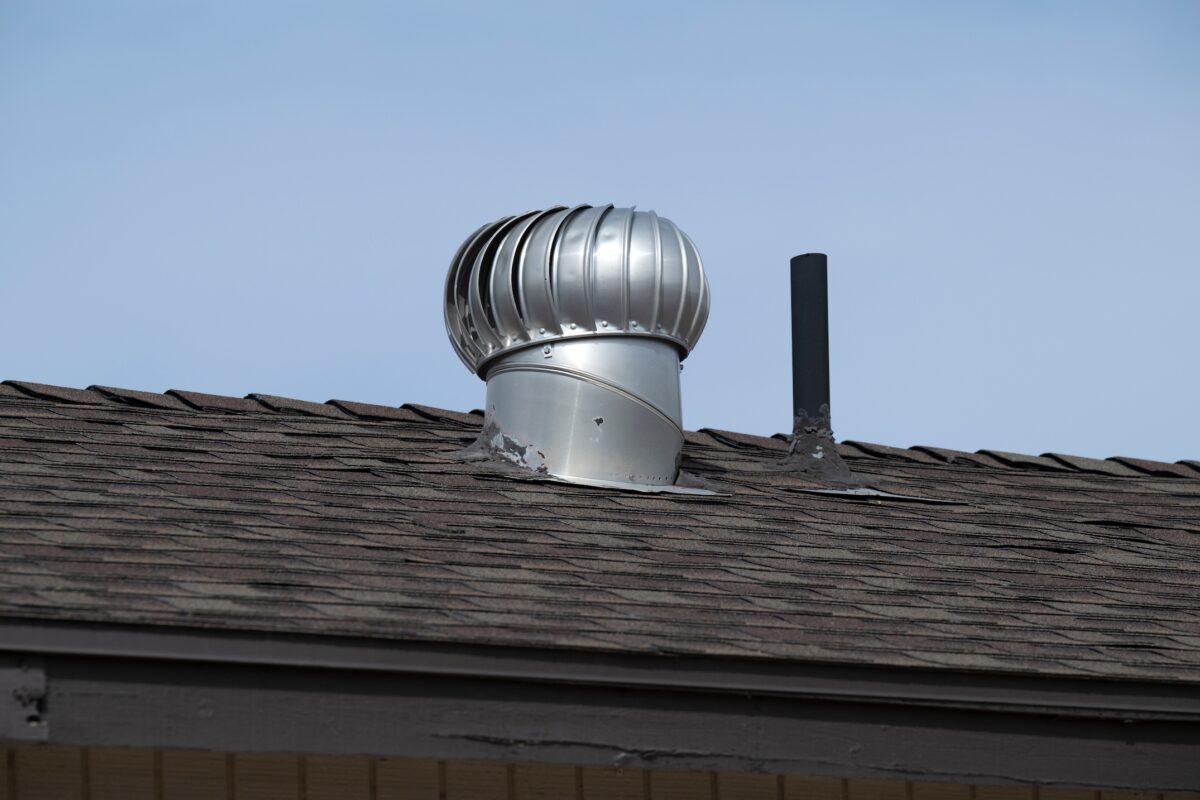
Professional installation ensures your roof vent system works effectively and doesn’t compromise your roof’s weather resistance. Proper installation requires careful attention to flashing details, sealant application, and integration with your existing roofing materials.
Determining Vent Placement and Number
The installation process starts by assessing your attic’s square footage and configuration to decide the number and placement of vents. Contractors carefully cut openings without compromising structural elements and ensure flashing redirects water away from vent openings.
Importance of Quality Flashing
Flashing is essential for preventing water infiltration around roof vents. Step flashing, woven with shingle courses, offers the most reliable water protection. Continuous flashing can work for ridge vents but must be carefully sealed at joints and transitions.
Sealant Application for Water Protection
Sealants play a crucial role in preventing leaks. Roofing professionals use weather-resistant sealants specifically designed for roof applications, ensuring precise application patterns to maintain flexibility and stop water infiltration.
Regular Maintenance for Ventilation Efficiency
Routine maintenance is key to keeping your roof ventilation system effective. Annual inspections should look for damaged or missing flashing, cracked sealants, and debris blocking vent openings. Turbine vents may need occasional lubrication or bearing replacements.
Cleaning for Unobstructed Airflow
Periodic cleaning of roof vents removes debris like leaves and bird nests that can block airflow. Since safety is a concern, professional cleaning is often recommended for homeowners.
👨🔧 Trust the Experts for Your Roof Ventilation Needs
Your roof ventilation system plays a crucial role in protecting your home’s structural integrity, maintaining energy efficiency, and ensuring your family’s comfort. Understanding the importance of proper roof vent installation and maintenance helps you make informed decisions about your roofing system’s long-term performance.
Don’t let poor ventilation compromise your home’s value and your family’s comfort. Contact Roofing Pros USA todayto schedule a comprehensive roof inspection and ventilation assessment. Our BBB-accredited team will help you create the optimal ventilation solution for your home’s specific needs.
